The reading of all good books is like conversation with the finest (people) of the past centuries.
– Descartes
When the rest of the world is on fire, I can step across the threshold of Hannelore Headley Old & Fine Books and be instantly transported to a much simpler time.
I somehow find myself in the unbelievable position of reflecting on COVID-19, the global pandemic we are currently stumbling our way through. In the span of a week, North Americans went from “everything is fine” to border restrictions, school closures, work-from-home and “social distancing” policies, and an international toilet paper shortage (thank you for that, panic-buyers). People all around the world are staring in disbelief at the rising infection rate while mentally and physically preparing themselves to stay indoors and “self isolate” for the foreseeable future.
I went back and forth on whether I should write about this at all. All things considered, a pandemic is a decidedly unhappy thing and maybe the novel coronavirus isn’t exactly on-brand for me right now… (Excellent material for all you science fiction writers out there, though). However, much like my very poorly-timed flu (I swear, I don’t have the coronavirus!) things in life don’t always go the way you plan. On paper, some of my 52 weeks are going to be amazing, enlightening, and life changing. Some of them are going to be awful. I can’t stop the pandemic from affecting me, but I can choose to find the small pieces of properly sanitized happiness and focus on those instead.
This week, I took some time off one afternoon to visit my favourite secondhand bookstore, “Hannelore Headley Old & Fine Books”. If I had to describe Hannelore’s using only two words, I’d have to go with “calm chaos”. The shop is set up in a converted old house with each room and stairway marking the beginning of a new and precariously-piled adventure. The floors creak with every step, the late-afternoon sun hits the cracked spines, illuminating meandering clouds of dust. There are usually two or three people milling about the first floor, chatting amicably with the friendly staff. Up on the second floor, it is almost completely silent, save for the muffled sound of the street below and the slow turn of a page.
Hannelore Headley, the shop’s namesake, escaped the Holocaust in Germany, joined a family book business in Shanghai, and eventually settled in Niagara in 1968 with her husband, a math professor at the university. Her life, wrote Don Fraser in the St. Catharines Standard, was “literally the stuff books are made of”. It seems fitting then, that her name is immortalized on the walls and in the pages of the whimsical little book shop in the heart of St. Catharines, patiently awaiting the next adventure.
It is truly a joy to get lost in such a place, so this week I decided to write a letter to Hannelore Headley, thanking her for pages of happiness.
Dear Hannelore,
You and I never met (you died two years before I moved to Niagara) but many people I know have shared stories of your kindness, curiosity, and humour. To me, your shop has always felt like a home for abandoned and forgotten stories. No matter where they come from, all books have a place in your heart and on your shelf. I say shelf, but you likely ran out of proper shelves many years ago. It still amazes me, every time I visit, how many new towers have popped up in unexpected places.
I opened the door on Thursday afternoon to find a surprising number of people gathered on the first floor. I thought I might have caught you at a busy time, but all of the people there seemed to know each other. They gathered between the shelves to talk about their days, to share their news, and to simply be with one another. As I cautiously approached the group to ask a question (where would I find the Agatha Christie section?) I felt at first like I was intruding on a private moment. Of course, the wonderful woman behind the desk smiled at me, said “of course,” and led me to the Mystery section in the back, pointing up to a very tall shelf I hadn’t noticed. She very thoughtfully went and found a step stool for me to climb on, so I could “see the books better”.
You don’t know this about me, Hannelore, but when I was very young, my mother and I used to listen to “books on tape” of Agatha Christie’s murder mysteries, mostly Hercule Poirot. I still remember the very first one I listened to: Murder in the Mews. When we discovered David Suchet’s brilliant portrayal of the fastidious Belgian detective, we spent the years until she died borrowing the VHS tapes over and over. One day when we were in the library, I asked Mum what her favourite Agatha Christie book was, as I had never actually read one (I was about eleven at the time). She said to me “okay, my favourite is The Murder of Roger Ackroyd, but you really shouldn’t start with that one. It’s not like any of her others.” Being the kid that I was, I marched over to the shelf and immediately found and borrowed the book. I think that part of me wanted to rebel by doing something I was explicitly told not to, but an even stronger part of me wanted to be like her. I wanted to like what she liked. And sure enough, I did. The Murder of Roger Ackroyd became my favourite Christie book, a love further solidified after Mum died and I borrowed (and accidentally kept) my aunt’s copy.
Shortly after I met my husband, he brought me to you. You see, he loves your shop and he wanted to show me why. While I think you were in the hospital at the time, I could feel your spirit in every room as he told me stories about your life and the impact that your walls of books made on him. It’s the same impact that I felt on Thursday, as I climbed onto the step stool and slowly scanned the shelf for Mr. Ackroyd. You see, Hannelore, when I first visited your shop, I hadn’t thought of him in a long time. We happened to visit the Mystery section in the back and I pointed to a copy, telling my husband that it was my favourite. Then I told him why. You had at least six different editions of Ackroyd and it was my husband, in that moment, who suggested that I start a small collection. In the years since then, I have gone in and out of secondhand book stores looking for different editions to add to my collection. The first copy I have is from my aunt’s library, the second is from you. When I scanned the top shelf on Thursday, my heart stopped; you had one last copy of The Murder of Roger Ackroyd. I took it in my hands and smiled. I have found Roger in many places; in the homes of loved ones, in your shop, and along the Seine in Paris (after two days of searching the river-side book stalls, I found two French editions). Thank you, Hannelore.
After securing my copy of Mr. Ackroyd, I slowly started to walk around your shop; into every room and converted old closet, running my fingers across the hundreds of spines, and letting the stories speak to me. I walked up to the top floor, back to the large and beautifully lit section by the window. The History section was one of the first we explored, back in 2013, and the one I returned to numerous times over the years. I even poured over your shelves when I was finishing my Master’s thesis, collecting books on Atilla the Hun and the Roman Empire.
I felt a sense of peace walking where you walked, touching books you lovingly brought into your shop. I don’t visit often enough, but when I do, I always feel welcome. You created a beautiful place in our town and for this we are incredibly grateful. When I walk or drive by your shop, I feel happy. When I walk in your doors, even when I don’t buy anything, I feel calm. All is well with the world when there are books at Hannelore’s.
Success is stumbling from failure to failure with no loss of enthusiasm.
— Winston Churchill
I had been looking forward to this week from the beginning. I love to cook and I love to entertain people in our home. In fact, it’s about the closest thing I do on a regular basis to “adulting” and it gives me great pleasure and pride. Over the preceding week, I connected with friends, scheduled a date and time, and began thinking about what I was going to cook. On Tuesday night I planned the menu. On Wednesday evening I got everything I needed from the grocery store.
On Wednesday night, I came down with the flu.
Pretty anticlimactic, no?
In the span of three hours, I went from planning a night of eating and drinking to not being able to eat solid food (four days, and counting). Not only was I disappointed that I’d have to cancel my plans and effectively postpone this week’s bit of “happiness”, I also had a fridge absolutely stacked with food that I couldn’t stomach looking at.
“My Dinner with Advil”
Since I didn’t have a dinner party to write about or food pictures to share, I considered using this time to reflect on failure; after all, I hadn’t met my objective. In my drug-addled state, I thought about all the times I lost momentum and gave up because I let one small failure destroy my resolve. This morning, something finally crystalized in my mind; something that I had been turning over and over in my head since calling in sick from work on Thursday. Getting sick is not failure.
Most North Americans, myself included, seem to fall prey to a self-destructive internal monologue whenever we consider staying home sick:
If you don’t go in, you are letting the team down. Someone will have to pick up your slack. People will think you’re lazy, taking advantage of the system, not really sick. You just want a long weekend. It will look bad if you don’t come in. Strong people come in when they feel like shit, so be strong. Grin and bear it, rub some dirt in it. People think you are faking it.
This (literally) unhealthy work ethic is fed by little things, like celebrating how few sick days you’ve taken in your career, or valorizing those who come to work instead of going to the doctor because they “just have so much work to do!” I half expect to see “ability to compartmentalize illness” on the Special Skills section of a resume, right underneath “effective time management” and “team player”.
I hate to admit it, but I still fall prey to the unhealthy narrative and, to this day, I feel guilty when I have to stay home from work, even if it will ultimately protect my colleagues. I spent Thursday and Friday actively convincing myself that it is okay to stay home sick. Actually, it’s better to stay home sick. I have to be clear to myself and to anyone who is reading this: if you are sick, STAY HOME. Protect those around you, protect yourself. Honestly, if you are barely functioning, you are not contributing anything useful and you’re only making it harder for yourself to recover. Take the time and do not feel guilty about it.
So maybe I didn’t fail this week. Maybe my deadline just got pushed back a little. Unlike some weeks I have lined up, this one is not a mystery: I know that cooking a meal for friends will make me happy and I know I will make rescheduling dinner a priority. I also know that I will not let this hiccup (cough, sneeze, fever, whatever) stop me for long.
Until then, I am going to focus on feeling better, getting back to work (slowly, and with disinfectant wipes), and working on being healthier and happier, one step at a time!
And when I do get around to making dinner for a friend, I’ll write about it here:
There is no other feeling quite like having your entire world changed by the pages of a book. For the briefest moment in time, your thoughts are bound with someone else’s; you feel their sadness and joy, triumph and defeat, as you walk an unfamiliar path along which you cannot return. Each book I have read has left an indelible spot on my mind; some the size of a pinprick, others remapping entire sections of my consciousness. This week, I was prepared to open my mind to the possibility of change, to move beyond the ephemeral joy of reading, and to bring back with me a piece of happiness.
When I included this “happiness task” in my list, I assumed that “Zen Habits” was a book and I was excited about the prospect of letting someone into my mind to rewire my beliefs about happiness. In preparation for this week, when I looked for a copy of “Zen Habits” at my local library, I was surprised to find nothing. Maybe my library simply didn’t have it. I checked the websites of some local bookstores and still, I found nothing. Only after a quick internet search did I learn that “Zen Habits” was a blog created in 2007 by Leo Babauta.
My first feeling was apprehension (and no, the irony of this does not escape me). I had momentarily believed that the wisdom contained in the pages of a printed book would, not could, would carry me along on a journey of enlightenment. Perhaps I thought that if the words were written by someone else then half the battle was over and I could simply let it wash over me, engaging with it as little or as much as I wished. I stared at the screen and thought this is a guy, writing things on the internet. No one gave him permission, no publisher vetted his content, why should I believe what he is telling me? I am ashamed to admit that it took me a full minute or two before it dawned on me that I, too, am a person writing things on the internet. If I really believe that the medium discredits the message, then what am I even doing? Then it hit me: this bias of “professional” or “legitimate” was probably the biggest thing that stopped me from writing. No one will take me seriously, everyone will question or tear apart what I have to say, people will roll their eyes at me. Perhaps part of this happiness journey is finally letting myself believe that none of that actually matters. The New Year hopeful version of me who wrote the very first sentences of this project suddenly seemed more self-aware than the version contemplating “Zen Habits”.
“I started this journey because I’ve always wanted to write…something. I have pages and pages of half-finished thoughts, book ideas, and incomprehensible scribbles. So this year, as a sort of resolution, I have decided to join the masses and put my thoughts out there, on the internet, for anyone (someone?) to read.”
“How to Be Laura”, January 8, 2020
This week would not turn out the way I thought it would. “Zen Habits” wouldn’t give me the answers, book or not. Once again, I would have to do the hard work and continue to push the boulder up the hill.
“Zen Habits”
As I began reading this week’s post on “Zen Habits”, it didn’t take me long to find the theme: time. Babauta describes our adversarial relationship with time by restating a common refrain:“There’s never enough. We’re always behind. It goes by too fast”. Yet, often when we get inside of our own heads and actually contemplate the meaning of time and its impossible vastness, we suddenly have too much time to contemplate our own mortality; the blessing and curse of our human consciousness. Time is a limitless resource that exists entirely outside our influence. We each have an individual allotment that we carry with us; seeking to prolong it, constantly turning it over and over in our minds. As we examine our piece of time, we reach out to connect it, tentatively or audaciously, to the wider world, to others, and into the vast, flowing narrative of the universe.
Babauta doesn’t dive too deeply into the philosophy of time; instead, he focuses on our relationship with time as a resource. Time is infinite, but what we have access to is finite. We live our lives believing we don’t get enough, all while acting like we’ll somehow be given more. In one post, Babauta writes about seven Zen Habits: “ways” we can embody to better understand, experience, and “master” the time we do have. It’s not about productivity, it’s not about squeezing as much as you can into the hours in the day. It’s about being intentional, seeing time as a gift, and using time to shift how we feel about the world we inhabit.
Each day this week I focused on one of the seven Zen Habits, hoping that by reframing how I used my piece of time, I would see more clearly a space for Happiness.
Monday: “See the Gift in the Time that We Have”
It was warm, despite the little bit of snow on the ground.
Today we experienced an unseasonably warm and sunny day for the middle of February, so I decided to ride my bike into work for the first time since November. It usually takes me about 40 minutes to get there, making the trip longer than my usual public transit or carpool commute. I didn’t realise how much I missed it until I rode out of my driveway and started pedalling. As I moved my legs and felt the familiar ache of effort, a huge smile broke across my face. As I kept moving the smile grew, eventually erupting into a laugh. I felt pure joy.
When I bike, I leave my house at 7:30 am. This means that people who have to commute far to work are already long gone, and the people who don’t travel long distances haven’t left their driveways. The roads in a usually busy area aren’t busy, so I can ride unaccompanied and without stress. The streets are quiet and the sun, this time of year, is just rising.
Babauta writes that “every day is a huge gift” and biking to work today reminded me of many other things I am grateful for. For safety reasons, I don’t wear headphones or listen to music when I bike on the roads, so I have the entire 40 minutes to myself to think. Over the years, I’ve discovered that some of my best ideas and most significant mental breakthroughs come during or immediately after intense, mind-clearing physical exercise (often in the steam room at the gym). My mind was sharp and engaged as I rode, and I found myself repeating things out loud so I wouldn’t forget them. I am grateful that my body lets me bike to work (very much uphill, I might add). I am grateful for the stillness of the university campus when I arrive, half an hour before everyone else. I am grateful for the flood of endorphins. I am grateful for my office door that I can close for a few minutes, as I slow my breathing and clear my head. I am grateful for the time it takes to bike to work and for how the joy of that time carries me through the day.
Tuesday: “Use the Time Intentionally and Joyfully”
Overnight the temperature dropped and the snow fell, along with any hope of biking to work. My husband offered me a ride this morning and instead of getting on the bus, I took him up on it. The ride is only about ten minutes long, but it was really nice to spend that time with him. When we commute separately, we don’t get a lot of time to talk in the morning. We are both pretty groggy and we go our separate ways as we bumble around the house getting ready. I immediately go downstairs to prepare breakfast smoothies and pack our lunches while he showers. Then I shower while he’s getting ready and we leave separately; he drives and I walk across the street to catch the bus. When we left the house together this morning and got into the car, it felt really nice. We even sat in the parking lot for an extra few minutes when we arrived because there was a funny bit on the morning radio show he sometimes listens to. He asked if I wanted to stay and listen, so I did. It was really funny! We shared a laugh this morning and it was a wonderful way to start the day. We stepped out of our autopilot routine and intentionally spent some time together.
Wednesday: “Be Honest About Your Priorities”
Time is a resource, but it is also a pretty convenient excuse when we don’t want to do something. Saying “no” is an important way to establish boundaries, but saying “I’m sorry, I don’t have time” isn’t completely honest. We all have the time and if something is truly important, we will make the time. The trick is to figure out what our priorities are. We need to be honest with ourselves so we can understand why we say yes, and when to say no.
This Zen Habit couldn’t have come on a more appropriate day. My calendar at work was packed, and I had a board meeting later in the evening. The hours in my day were almost completely accounted for, so something had to give. I had to think about what was really important to me.
At 9 am I had a meeting to discuss a conference I had recently attended. I learned an incredible amount and I couldn’t wait to bring it back to the team. We talked about departmental and institutional priorities and made plans to bring more people into the conversation. I thought about what that would mean for me. Did I just give myself more work? I could have thought about it that way if I wasn’t interested in the outcome. Instead, I gave myself more time to do the work that really energises me. I made this new work a priority.
Our first book club book.
I have always wanted to be in a book club and after several failed attempts at joining one, I bit the bullet and floated the idea by my department. I was overwhelmed by the positive response and I was really looking forward to our first meeting, which was set for today. We decided to meet once every month at lunch. I was initially worried that people wouldn’t want to give up their lunch hour, their guaranteed free and personal time. It turns out that I had nothing to worry about, because when we all wanted to do something, we made it a priority. We all brought food and talked about the book and it was absolutely amazing.
I thought about all of the things I did today: work meetings, quick chats, emails, phone calls, book club, board meetings, and somehow finding time to eat a meal. I thought about what I did and I thought about what I didn’t do. I thought about what is important to me, because everything I do should align with at least one of my priorities. So what are they? I came up with the following list that I will write out and place somewhere prominently at home and at work to remind myself why I do the things I do, and when it’s okay to not make something a priority.
Learning
Growing in my career
Making a difference in my community
Strengthening social connections
Health and wellness
Quality time with loved ones
Thursday: “Create Space In Your Day”
Armed with my newly defined priorities, I looked at my day with two minds: my present self, and Past Laura. My priorities have shifted greatly over the last decade, especially in the last couple of years. When I was younger I didn’t prioritize my mental health the way I do today. I had a stubborn “rub some dirt in it” attitude about dealing with grief and trauma, and I never gave myself time or space to feel anything but determination. I have also made managing chronic pain more of a priority, although like it or not, as I’ve gotten older it has become increasingly harder to ignore. Ageing is rough and I don’t bounce back as quickly as I did when I was 22. That, along with a pretty excellent health benefits package, has allowed me to explore avenues of paramedicine I had never considered. I manage pain with exercise, stretching and yoga, a massage therapist, physiotherapist, chiropractor, and osteopath. Hell, even my therapist helps me manage the mental impact of lifelong pain. It sounds like a lot because it is a lot. At least once a week I have an after-work appointment with one or more of these many professionals. I had to intentionally make these things a priority and it wasn’t easy because admitting I need help has never come easy to me. Past Laura would grin and work through the pain (physical or emotional) and end up making things far worse in the long run.
So what did I do today? I began my day by meeting with my supervisor to give her an update on my work and to talk about our priorities going forward. I was able to touch on “learning” and “growing in my career” during that hour-long meeting, and I walked away feeling a sense of accomplishment and anticipation. Later in the afternoon I left work early for an appointment with my therapist. I know that Old Laura would have put being at work before “health and wellness”, but I am glad that I made the time. (I did come into work early for two days to make up the time, but my point still stands!). The decision to make time to painfully unpack boxes is a hard one. It was intense, it was emotional, it was difficult, but it was important. I created the space.
Friday: “Don’t Let Things Get Familiar”
There is something eerily reassuring about routine. It gets you from A to B with little thought, allowing you to redirect a large portion of your mental faculties. In these instances when we shift our focus, where do we shift it to? Is that new place more important? Is it worth the energy? Is it even something you’re doing consciously? Babauta says that the sensation of time flying by is partly a result of just that: we let things get really familiar without even noticing. Sometimes I sit on the bus and zone out so much that I don’t even know where I am until we stop at the terminal. Where did I go during that time? What did I miss when I was on autopilot? Babauta asks us to consider how our perception of time would change if we stopped letting things get too familiar and looked at everything as if it was the first time we were seeing it.
The irony of this is that Friday passed by without me realising it. I woke up with the intention of looking out the window more, paying attention to people as they walked by, and truly experiencing my surroundings. In some ways I succeeded. I walked part of the way home from work and during that time I did look around more. I tried not to focus as much on the destination; I took in the sights and smells and sounds. When I got home, I talked with my husband and spent time with him. We sat and talked about our days and planned for the weekend. It was a thoroughly ordinary day. Nothing (not even a meeting at work) was an experience I hadn’t had before. Noticing my routine, while not able to entirely break with it, was an unexpected experience. I was somehow looking at my life from outside of it, wondering if I should be doing something different. Not all days are going to feel new, especially as more of them pass. And that is also okay. I am a long way from getting caught in any ruts, but it’s worth thinking about how I spend my days and whether those little things, new or old, are still making me happy. For now? Yes.
Saturday: “Imagine You’re Going to Die in a Year”
Okay, that’s a bit intense, right? Thinking about our own mortality is one of the hardest things about being human. At birth we are given an impossible problem with no solution and we are expected to move through life, be it long or short, all the while acting like we’re not constantly thinking about it. We have no way of knowing how much time we have; in truth, many people don’t get nearly enough, at least not as much as we want them to. For me, that is one of the most earth-shattering realities about death. Once someone is gone, their life now has a beginning and an end. Their existence is finite. Yet, what they did with their piece of time will continue to ripple out in the hearts and minds of others. They are gone but are not gone. They are finite but infinite. Now ask yourself: what if you died tomorrow? Did you accomplish what you set out to? Will your life have meaning? Impact? Who will remember you and for how long? Are you making the best use of your time?
Babauta says that when you look your mortality in the eye and realise that you only have the time you are given, time becomes vivid, slower, and more real. I thought about what I did today and if I would still do those things if I was about to die. I went to the gym, ran some errands, and cleaned the house. We ate dinner with my husband’s family and at some point we argued about something. I can’t remember what we argued about, but it reminded me of my personal philosophy about fighting: don’t go to bed angry because one of you may die in your sleep (or something to that effect). My husband thinks I’m crazy and perhaps he’s not entirely wrong. When you prolong a fight that one of you should have walked away from, you say things you don’t mean, the argument intensifies and morphs into something else, and you often lose sight of what’s important. On an intellectual level, I get this. Take a pause and regroup before making things worse. On an emotional level, I am never far from the thought that these could be the last words we say to each other. I don’t remember the last words my mother said to me, but I know they were words of love. While her death was sudden, it was expected. We had nothing to fight about and nothing to regret. If my husband and I fight and don’t make up before going to bed, one of us could die, and the other would have to live with the knowledge that the last words were words of anger. Even though I know we love each other, those words would eat away at me for the rest of my life.
I probably won’t take this particular Zen Habit literally and become a thrill-seeking fatalist. I don’t think Babauta intended that, either. However, I will consider that I don’t know when my piece of time will run out and I will make every effort to spend my time more intentionally, doing the things I love with the people I love. Connections are what keep people alive long after their time runs out, so I will continue to cherish mine.
Sunday: “Savour and Be Fully Present to Slow Down Time”
Every Saturday and Sunday morning my husband and I ask each other what we’d like to do that day and what our goals are. After all, it is pretty easy to sleep in, lie around, and accidentally “waste” an entire day. We has this conversation this today, knowing that Sunday is a perfect day to relax and savour time. We watched soccer in bed like we usually do on the weekends, we read our books, and we enjoyed our coffee. We slowly ran errands, choosing to drive around a neighbourhood we were curious about on the way home from the grocery store. I went to the gym and instead of focusing on finishing and getting home, I took my time and enjoyed myself. At the end of the day, we sat down and finished a documentary that we had been watching and enjoyed each other’s company. Like Babauta writes, I enjoyed each moment like a treat to be savoured. Today, time didn’t pass me by, I enjoyed it one sip at a time.
Zen and the Art of Overthinking
I knew from the very beginning of this project that just because there were thousands of lists in the universe solving happiness with everything from “embrace forgiveness” to “buy a potted plant”, this would not be as simple as ticking a box. As the weeks go by (all 52 of them) I am giving myself more and more to think about. Some weeks will be easy and feel good; habits that bring a smile to my face. Other weeks will take work, will require unpacking some unhappy things, and will not be accomplished in seven days. I thought this week would be easy and that I could adopt someone else’s wisdom. My propensity to overthink never ceases to amaze me. The entirety of one “Zen Habits” post is exactly 1,057 words long. So far I have written an astounding 3,620 and have somehow opened a giant philosophical chasm of time and death. Within the insanity lies a simple truth about this project. What am I doing? I am intentionally using a big chunk of my time to answer the question of how to be happy. So far this adventure has taken me down some epic Carrollian rabbit holes, and it’s only March. I have no idea what’s at the bottom, aside from a perpetually late rabbit. I do know that there is joy and laughter. There are barriers, there are obstacles, and there is the ephemeral nature of Happiness itself.
There is a time for many words, and there is also a time for sleep.
— Homer, The Odyssey
You know what they say about the best laid plans?
Going into this week I had an inkling that my plan to “get some sleep” would be less than successful. Book-ending this very short work week (3 whole days in the office) were two fantastically unusual weekends: one, a four day holiday, and the other full of house guests. Every “sleep tip” out there suggests pretty much the same thing: no caffeine in the afternoon, no food late at night, and try to go to bed and get up at the same time each day. When I woke up at 9:30 am on Monday and looked ahead to the rest of my week, I knew that wasn’t going to happen.
I know a lot of people who regularly struggle with sleep and I feel very fortunate that I am not among them. Sure, I have my tricky periods (when my husband has a cold and shakes the entire house with his snoring) but I usually fall asleep and wake up (mostly) without incident. Over the past couple of weeks, however, I have noticed that no matter how much sleep I get, I never feel entirely rested. I yawn consistently throughout the day, I become irritated for no reason, and I lack motivation to do any household chores. I reassured myself that with a long weekend coming up I’d have a chance to “catch up” on my sleep. Even though I know thatdoesn’t actually work, I kept telling myself that I’d feel better when I woke up on Saturday, late and unassisted by my alarm. Surprise, surprise, I woke up after more than ten hours of sleep feeling like I’d been hit by a bus. My reward for “catching up” was a day-long headache and even more irritability.
It’s not a stretch to correlate a good night’s sleep with happiness, especially as we all have so many instances of the inverse to compare it to. Whether we’re kept up with the flu, pull an all-nighter in university, are woken up by screaming children, sick pets, street noise, nightmares, or any combination of the above, every adult knows what it’s like to have a terrible sleep. Scientists don’t quite know why we need to go to sleep every night, but they have a pretty good handle on what happens to our bodies and minds when we don’t get enough sleep. From our stress response to physical and emotional health, a lot can be impacted by too little time on the pillow.
My plan for this week was to stick to a few basic “good sleep” habits:
Go to bed and wake up at the same time every day, including weekends
Reserve the hour before bed as quiet time
Keep your bedroom dark, cool, and quiet
Avoid naps
Get a comfortable bed, mattress, and pillow
No caffeine in the afternoon
No liquids (including alcohol) before bed
Some of these are a given. I drink one coffee a day, always in the morning; we typically keep our house cool in the winter, especially at night; I already avoid naps because I’ve never woken up from one without feeling physically ill; and I am already pretty happy with the comfort level in my bed. The other three are the real challenge. With that in mind, I opted to focus on those.
Good Morning?
Against my better judgment (and countless sleep studies) I always seem to fall into the “I’ll sleep on the weekends” trap as an excuse to stay up late during the week. I am also ashamed to admit that the time my alarm goes off and the time I actually get out of bed are two very different times. A typical weekday morning looks something like this:
6:00 am → Google Home alarm goes off from across the room. Let it ring for about 15 seconds, groggily yell “okay Google, stop the alarm!” Fall back asleep. 6:05 am → Cell phone alarm goes off. Snooze. Fall back asleep. 6:15 am → Alarm. Snooze. Fall back asleep. 6:25 am → Alarm. Snooze. Okay, I’m awake. Shut eyes and enjoy the warmth. 6:35 am → Alarm. Snooze. Really, I’m awake, eyes open. Okay Laura, get out of bed. 6:40 am → Husband’s alarm. Shake him awake “turn off your alarm”. Deep breath. Finally get out of bed.
As ridiculous as that is, at least it’s consistent (according to my Fitbit). The weekends, on the other hand, are an entirely different story. Only rarely have I managed to convince myself to wake up before 7am on a Saturday. There are occasions where my brain (or bladder) decides that enough is enough and I’m up at 6:30, but I usually take advantage of my open schedule and, at the very least, crawl back into bed and read my book. After the 10 hour trainwreck that was Saturday, I decided that I would set an alarm for the rest of the week, including the weekend. In response to my husband’s incredulous “you’re not setting the alarm for six are you?” I compromised and decided that 7:30 would be fine. The result? Honestly, a bit of a mixed bag.
Monday Sleep: ????? I honestly have no idea when I went to bed and when I woke up. I can usually rely on my Fitbit sleep tracker for a decent estimate, but I left it charging overnight. Today is a province-wide holiday (Family Day) so neither my husband or I had to be at work. We took full advantage of that and stayed up a bit late watching a documentary the night before. If I had to guess, I’d say I woke up at about 9 am.
Good Habits:
Go to bed and wake up at the same time every day (I sort of knew that wasn’t going to happen)
Reserve the hour before bed as quiet time (Yes, I read my book!)
No liquids (including alcohol) before bed (It’s a holiday, I had a drink, whatever.)
Tuesday Sleep: 6 hrs 16 minutes (11:34 pm – 06:38 am) This was truly an extra special bonus day. While my husband returned to work, I had the day off for the University President’s Day holiday. It was the best of both worlds. Because I make us coffee, breakfast, and our lunches every day, I got up at the normal weekday time. After I waved goodbye at the door, I walked back upstairs, got into bed, and put on a podcast. Trying to stick to my goal, I didn’t fall back asleep, but I certainly enjoyed the extra time in bed. The rest of my day rolled out pretty much exactly as I wanted it to. I had a late breakfast, puttered around the house for a bit, went to the gym before lunch, and had an appointment with my physiotherapist all before my husband returned from work. The next day was my “Monday” and I wanted to end my wonderful long weekend the right way, so after dinner I ran myself a bath. I finished a chapter of my book and turned the lights out at 10:30pm.
Good Habits:
Go to bed and wake up at the same time every day (Not quite, but it was worth it!)
Reserve the hour before bed as quiet time (Lovely bath, read my book)
No liquids (including alcohol) before bed (Check!)
Wednesday Sleep: 7 hrs 3 minutes (22:40 pm – 6:38 am) If the right amount of sleep is 7 – 8 hours, I just made it today. Getting back to work after four days off was a bit of an adjustment, particularly because the next three days were starting to look pretty busy. From now on, it would be easier to stick to my habits (in theory).
Good Habits:
Go to bed and wake up at the same time every day (Yes, finally!)
Reserve the hour before bed as quiet time (Yes, book)
No liquids (including alcohol) before bed (Check!)
Thursday Sleep: 6 hrs 37 minutes (10:59 pm – 06:19 am) As planned, I was all ready for bed with lights out at 10:33 pm (only three minutes past my goal). Well, let’s just say that I got a little… *ahem*… distracted… and ended up actually getting to sleep about half an hour later. Weird thing? I was awake and alert when my alarm went off at 6:00 am. Out of habit, I hit the snooze button once, but when I rolled out of bed at 6:20, I felt rested. I can honestly say this was the best sleep I’d had in weeks! It’s funny how certain activities never seem to appear on “sleep well” lists…
Good Habits:
Go to bed and wake up at the same time every day (Nope, but totally worth it)
Reserve the hour before bed as quiet time (It sure started that way…)
No liquids (including alcohol) before bed (Check!)
Friday Sleep: 7 hrs 17 minutes (10:44 pm – 6:55 am) All in all not bad, although I didn’t get quite as much sleep as I’d hoped because my “relaxing habit” before bed, reading my book and drinking chamomile tea, ended up backfiring. I hit an intense passage and I “just one more chapter”-ed myself past my “bedtime”. I also took an extra trip to the bathroom. So much for the chamomile tea. Needless to say, I abused the snooze button pretty hard today..
Good Habits:
Go to bed and wake up at the same time every day (I swear, I tried)
Reserve the hour before bed as quiet time (I tried, but the book got too interesting)
No liquids (including alcohol) before bed (Nope, chamomile tea)
Saturday Sleep: 8 hrs 37 minutes (11:03 pm – 8:24 am) So according to my Fitbit, this was my best night’s sleep because I got a little star beside my “sleep score” in the app. I went to bed at roughly the right time, but I did sleep a little later than I meant to. I don’t know what it is about the privilege of sleeping in on the weekends but I can’t seem to talk myself out of it. Maybe I should take the wisdom of Jurassic Park to heart: just because I can, doesn’t mean I should. Today we had friends come over and we spent the day touring wine country. All week leading up to today, I knew that I’d be breaking all of my good habits. We organized an afternoon of eating heavy meals and drinking copious amounts of alcohol, followed by a late night full of excitement and even more drinking.
Good Habits:
Go to bed and wake up at the same time every day (Not quite)
Reserve the hour before bed as quiet time (Literally the opposite)
No liquids (including alcohol) before bed (We. Drank. Everything.)
Sunday Sleep: 7 hrs 23 minutes (1:08 am – 9:32 am) I got the right amount of sleep, but the timing was a bit off. We ate and drank with our friends until the wee hours, although I am pleased to say that I was no worse for wear when I woke up. I can tell you with certainty that had I woken up before 8 am, I would have had a brutal hangover. Because of the amount of sleep I got, I was able to be very productive today. The weather was lovely so I went for a run, and later in the day my husband and I went for a very long walk, exploring the neighbourhoods near our house, and had a lovely conversation. That’s pretty hard to execute if you’re hungover (I have tried).
Sleepy and Happy (and all the other dwarfs)
What exactly did I learn from this experience? Honestly, I went into this week knowing that it would be hard to do this experiment perfectly. I have every intention of trying again (maybe I’ll check my calendar first!) but it did give me an opportunity to think about all of the things that can impact my sleep. I’ve been sharing a bed with the same human for the last five years, and that is definitely different than sleeping alone. If your partner gets a bad sleep, you get a bad sleep. This week I made compromises for my own needs (finishing that damn chapter, for one) but I also made compromises for others. After all, I’m the one doing this experiment, not my husband, and not the friends who stayed with us. I suppose I could have cut our Saturday night short and gone to bed at 10:30 on the dot, but other than consistency, what would that really achieve? I would have missed out on a great time because of principle.
On paper, sleep and happiness go hand in hand, but I had a hard time connecting my task this week to an increase in my own happiness (or Happiness). I didn’t have a perfect week, but I got almost enough sleep every day, and the days where I made exceptions to my “good habits” were either the best sleeps or the best times. When I try this again, maybe I’ll set my alarm for 6:30 am every day and actually get up with it, even on the weekends. I’m not sure if that will make me happy or not, but I’ll try anything. My inconsistent sleep schedule doesn’t make me unhappy; in fact, I’m pretty pleased that my brain and body have been so versatile. I consider myself very lucky. What has struck me most this week, about goals and habits, is that there are times to strictly adhere to a plan, but there are also times to set plans aside for the “greater good” or greater Happiness.
I regard romantic comedies as a subgenre of sci-fi, in which the world operates according to different rules than my regular human world.
— Mindy Kaling
In January, after I selected my “happiness tasks”, I decided to write out a calendar for the year, scheduling each of the 52 weeks up front. I did this mainly for two reasons: to align certain tasks (like sitting on a park bench) with appropriate weather, and to maintain momentum, hopefully increasing my chances of making it until December. If I pre-determined each week, I’d have something to look forward to and I wouldn’t be mired by analysis paralysis every Monday (What should I do this week? Hmm…oh crap, it’s Thursday). Being cheeky, I picked “Watch a Romantic Comedy” for this week because it just so happened to fall around Valentine’s Day.
I have several feelings about Valentine’s Day, the predominant one these days being indifference. This beast of a corporate holiday (oh look, another feeling!) follows us around from early childhood, forever changing shape. It starts in school, when you (or your Mum) prints the name of every kid in your kindergarten class on a Disney-themed “Be Mine”, and during the emotional rollercoaster of sending cards and candy grams to unrequited high school crushes, hoping you aren’t the only kid left at the end of the day without a pile of cards on their desk. This drama turns into social anxiety as people begin to “pair off” and celebrate a new form of Valentine’s Day with extravagant gifts, expensive dinners, and dozens of roses. The tokens of “love” change, but the social currency stays the same. For example, I once knew a woman whose purchase of a new family vehicle happened to coincide with February 14th, so she proclaimed on social media that it was the “best Valentine’s gift ever!” The bigger the “gift”, the bigger the love bragging rights, right?
I know, it sounds like I have a massive heart-shaped chip on my shoulder, but I honestly don’t hate Valentine’s Day. I do raise an eyebrow at what it does to some people, but I suppose that’s really not my business. For the record, I am happily married and have often turned down the opportunity to celebrate the holiday because we are capable of being thoughtful towards each other without the calendar reminder (plus, it’s nearly impossible to get a dinner reservation).
So, what pairs well with flowers, heart-shaped chocolates, and social expectations? Romantic Comedies. To be honest, RomCom is not my favourite film genre. I will rewatch a few now and again, mostly for sentimental reasons. My Mum kept a copy of “Bridget Jones’s Diary” by her bed so I will watch that now and again, and every Christmas I watch “Love Actually” (we also watch Die Hard and Christmas Vacation). What better day to sit through someone else’s love story than Valentine’s Day?
The article that this suggestion came from provided absolutely no explanation for why a romantic comedy should make me happy. Disturbingly, most articles I’ve found online actually say the opposite is true and that you should really debrief and detox after viewing, so the experience doesn’t negatively affect your relationship. After all, sometimes an expensive gift comes out of a joint account, and these days running through an airport will probably get you shot.
I thought about my task this week and yes, I could watch a RomCom and heckle all the way through, sarcastically tearing apart every cliche and plot defect. Conversely, I could earnestly absorb every saccharin detail and cloying affectation. Will it make me happy? Will it be so silly that I’m left feeling grateful for my own romantic life? Will it make me laugh? No harm in trying to find out.
Crazy, Stupid, Airplane.
This week I spent two days in Atlanta, GA for a conference. I flew out Monday night and returned in the wee hours of Thursday morning. I thought that evenings in a hotel would be an ideal time for RomCom viewing; however, I ended up being either too busy or too tired to switch on the hotel room TV. Because my goal was to absorb the wisdom of at least one Romantic Comedy, I decided to download Crazy, Stupid, Love on my phone and watch it on the flight home. I picked this movie because I had seen it several times before and it was one of the more palatable RomComs available for download on Netflix. I remember liking it so I figured I couldn’t go wrong. After all, what else was I going to do for the two hours?
I’m sure I could write a relatively entertaining play-by-play of Crazy, Stupid, Love, followed by a detailed analysis of what was wrong with each “romantic” relationship. Would that make me happy (or benefit literally anyone)? More than likely not, and I bet the internet is already full of that. Instead, here are some of my in-the-moment thoughts from the sky:
I don’t remember the first ten minutes of this movie being so icky. I’ve seen it many times for some reason (Ryan Gosling) and I don’t remember squirming in my seat quite so much. Man, this is hard to watch on a dark flight because so much of the beginning takes place in a dark restaurant, outside at night, in a dark club, and my phone screen keeps automatically dimming. Every version of “love” so far is disturbing. What would I do if I were Cal and my wife just told me she wanted a divorce and that she’d slept with Kevin Bacon? Should they get back together? Why is this narrative trying to force me to feel sympathy with the cheating spouse? Heaven forbid the poor guy sleeps with someone else in the wake of his pending divorce. What a monster. Oh my god the FRIENDS of this couple are the worst. “Claire said I can’t be friends with you any more…she said we had to choose between you and Emily.” Jeez, this paints a painfully stereotypical picture of the most depressing middle-American marriage ever. And for some reason they’ve automatically chosen to be friends with the cheater? Okay then, not my life. I remember this movie being funnier… Okay, now I’m married and my husband is a teacher so the bit where the teenage babysitter sends naked pictures to the grown man is just a tad more horrifying than it used to be. This movie has surprisingly not aged terribly well. Highlights? Ryan Gosling making eating a slice of pizza look like the sexiest thing on the planet, and Kevin Bacon (not his horrible character) being present. I love Kevin Bacon.
Ordinary, Intelligent, Affection.
In retrospect, I’m not sure why I thought that watching a RomCom (even one I thought was a favourite) would make me happy. I don’t think I truly believed it would, but there was hope. Maybe if I watched it with my husband and not alone on an airplane? That’s assuming I could convince him to sit through it. There’s maybe one scene in the movie that still makes me laugh, and I definitely don’t mind looking at Ryan Gosling and Kevin Bacon (which make me wonder why I didn’t watch Footloose instead) but overall, a fairly underwhelming experience.
Valentine’s Day
By the time Friday, February 14th rolled around, I still hadn’t watched another Romantic Comedy. I planned to have a bubble bath the day before, but when it came down to it I couldn’t convince myself to press play, choosing instead to watch the last episode of Sherlock (something else I’d already seen). On Friday evening, my husband and I sat in front of the television with our dinners, and he turned to me and asked “what do you want to watch?” Should I ask him to endure a RomCom? I mean, it is Valentine’s Day so I could probably get away with it. But do I want to watch it? Will it in any way at all make me happy? Will feeling guilty for sharing this misery somehow lead to happiness? Doing something because I once told myself it would be a good idea is not a reason for doing anything. I once stuck my finger in a pencil sharpener to see what would happen. What do I know?
So what did I do on Valentine’s Day to make me happy? I sat with my husband on our comfy couch, ate take-out sushi, and watched Ken Burns’s Vietnam documentary. Because I wanted to. Because it’s amazing, and horrifying, and learning something new makes me happy. It is probably the least romantic thing I could have chosen, but that doesn’t matter. Romantic Comedies tell you that your own life is inadequate by showing you a bunch of overly dramatic, thin, attractive, and mostly white people doing strangely problematic things. I am confident that there are real people out there who are happy to model their lives on this. I am not one of them. Happiness is not the one-size-fits-all that some RomComs would have you believe, and that’s okay. Sometimes it’s flowers and chocolates, sometimes it’s watching war documentaries in your pajamas, and sometimes it’s even crazy, and stupid, and love.
Here is the list of 30 things I hope to accomplish before I turn 30 in October, 2020. I will be updating this post as I achieve them.
Run two 5k races
Get ID’d/carded one last time
Paint something
Save 12% of my annual income and put it in my TFSA
Find a dentist
Learn to drive stick
Sing more
Make Instant Pot Indian food
Try a new strength training class at my gym
Try a higher risk investment
Dress like a flapper/find a 20’s party
Go for a beach run – anywhere
Take an online course in something interesting
Go to a drive-in movie
Get rid of 3 boxes of stuff we don’t need
Write something and record it
Create a “Passion Roadmap” (April 5, 2020)
For Week Fourteen: Start Your Life List, I looked at the Bucket List I started when I was thirteen years old and I thought about how I could incorporate it into my new “Life List”. One of the ways I look ahead in my year is by creating a “Passion Road Map”, a central part of the planner I used, called the Passion Planner.
Visit a place I’ve never been (February 10, 2020)
On February 10, I flew to Atlanta, GA for a work conference. I didn’t get a great opportunity to explore the city; however, I had a wonderful time at the conference and I did manage to take the public transit (MARTA) all the way across the city!
Run along the Welland Canal (April 19, 2020)
During Week Seventeen: Raise Your Activity Level, I went for a run, part of which was along the Welland Canal. I didn’t run the length of the canal, and I would like to explore more of it, but it was a great way to start out!
Pick up trash in the park
Donate blood
Make one dish from every cookbook we own
Write letters and send them(March 29, 2020)
For Week Thirteen: Send Someone a Card “Just Because”, I sent cards and letters to seven friends and family members.
Tell ten people I admire them
Use a hotel gym (February 12, 2020)
On my last day of the conference, I went down to the gym before breakfast. There were two other people there, before 8 am, which really impressed me! Who knew that people actually used the hotel gym.
Frame that print that I’ve been putting off for years
Successfully grow something in my garden and eat it
Get a full-time permanent job (February 10, 2020)
In November 2018, I accepted my current job on an 18 month contract. The project that I would be working on was very highly valued by my department; however, they were unable to secure permanent funding from the get-go. All the while, my supervisor was very supportive and made a point of telling me how I much value I was bringing to the team. Their goal was to the position (and by extension, me) and they would try their best, through all of the official channels, to make that happen. My contract was set to expire on March 31st, 2020. On February 10th, I was sitting in the airport, ready to fly to Atlanta for work. I checked my phone one last time before boarding and I saw a message from my direct supervisor. She told me that she’d received official word that my position was to be made full-time ongoing! I had arrived at the airport dreading the end of my contract. I boarded the plane with a full-time permanent job.
I deliberately set out to make a “birthday bucket list” this week because at the beginning of the month, my husband celebrated a milestone birthday. Watching someone else cross over this particular threshold seemed like an appropriate time to reflect on where I am now and where I thought I’d be by the time I turn 30 (a very dangerous game). The article I took this “happy task” from offered no explanation of why making a birthday list should make me happy. Is it the optimism of planning for the future? Intentional goal setting? Slowly acclimating myself to the idea of getting older? The article also didn’t bestow any special significance on a particular birthday; however, the fact that in nine months I will celebrate 30 years on the planet seems to have come with its own sense of gravitas.
I’ve always been a keen maker of lists. I’ve filled countless notebooks with my numbered prattlings about everything from pet peeves and favourite movies to New Year’s Resolutions and “Things to Do Before I Die”. Some lists have more staying power than others. Having to reset the oven clock after a power outage is no longer really a pet peeve but I have been working on my bucket list since I was 13. Making a list of things I want to do before my next birthday would be a pretty ordinary task for any of the birthdays on either side of this one; however, I’m told that turning 30 is a pretty significant cultural milestone that no one seems to escape without some serious introspection. Out of curiosity, I checked with my husband and, unsurprisingly, he feels no different than he did at 29. As much as I joke, on the whole I am not too bothered by leaving my twenties (ask me how I feel in a few months), but I do find myself wondering if I have lived up to the expectations of 13-year-old Laura.
There are a lot of “do before you’re 30” lists on the internet (how convenient) but I suspect the intended audience isn’t someone who is three grey hairs away from the deadline. Most lists are all full of some pretty monumental life changes that I have either no hope (or desire) of completing in the next nine months. I have also learned the hard way that writing a “how to make the perfect me” list at the start of each year will only end in disappointment. Setting bucket-list-level life goals and giving myself 365 days to achieve them doesn’t make a whole lot of sense. So, instead of jumping right into “live in another country”, “get rid of your bad habits”, and “be at peace with yourself” (actual internet advice), I decided to try and figure it out for myself. After all, I no longer have a decade to figure out what 30-year-old Laura will look like.
Step One: Overthink It
Goal: Write down some things that come to mind; aim for 30. If I get stuck, I’ll check the internet.
Reality: After staring at a blank piece of paper for ten minutes, I’d managed to write down three whole things. I couldn’t seem to find a balance between important-sounding things befitting a “do before I’m 30” list and ordinary, achievable things I could do before any old birthday. I was making this too hard for myself. I was focusing on big things I wanted to dothat I hoped would define me and my three decades on earth (apparently ignoring all the things I did in the previous 29 years). So, I reframed the question: what combination of big and small things can I do before my next birthday that are achievable and meaningful to me, that don’t have to define me or signify an important milestone?
One Coffee Later…
I sat in front of that same piece of paper and experienced the following thoughts, in the span of about 60 seconds:
This will be easy. Title: Week Six: Make a List of Things to Do Before Your Birthday. Write down 31 things. Wait, what?! How old do I think I am? Write down 30 things. Don’t write down things you’ve already planned to do; that’s cheating… Okay, write some of those down, too, because this is harder than I thought. What do normal people want to do before they’re 30? Why does that matter, Laura? Focus on you. Okay, here we go, I really need to do this one. But does that make it more of a chore? Deep breath. Okay, I’ve got 5 things; I’m on a roll. I am not on a role. Let’s look at the internet. “What to do before I’m thirty”. And GO.
Wisdom from the Internet
There are so many lists of things to do before you turn thirty that I had to keep reminding myself that most people reading them are not about to turn thirty so they could have upwards of a decade to complete them. Some lists had really general personality-level things like “stop holding grudges” and “get organised” while others absolutely screamed privileged millennial. One in particular instructed readers to “attend a full moon party in Thailand” and “quit your day job without a back-up plan.” Why, exactly? I thought that seeking wisdom from the internet would help me write my own list, but in reality I was reading about things that I couldn’t do, didn’t want to do, couldn’t afford to do, or that would require an entirely lifetime to do properly. I looked at dozensof lists for inspiration but I got nowhere.
Actual Wisdom
For some reason I thought that this would be an easy week, but I found myself at 11 o’clock on Sunday night trying to think of my last five things. I eventually turned to my husband for help. He knows me better than most and, since I decided to stick with him and ignore one list’s suggestion to “date someone who’s just not your type”, I read him my list and asked, what else should I do before I turn 30? I felt a little better when he stared at me blankly and started to list things I had already written down. See? Not as easy as it looks. Eventually we rounded out the 30. Some were big, some were small, some were things I just hadn’t gotten around to doing, and some were completely out of my control. It was frightening, it was motivating, and it was satisfying. Is it the most interesting list in the world? No, but if I look back at my life and write down the 30 best things I have done in the last 30 years, it would be a lot more exciting. In the next nine months will I “live in another country”? Probably not, and that’s okay. Will I “start saving”? No, I will continue saving, like we did when we bought our house three years ago and started saving for retirement. Will I “admire [myself]”? I will try, and maybe if I focus more on the incredible things I have done and will continue to do (with or without lists), and less on who I think I should be nine months from now, maybe I’ll get there.
30 Things I Want to Do Before I’m 30
Run two 5k races
Get ID’d/carded one last time
Paint something
Save 12% of my annual income and put it in my TFSA
Frame that print that I’ve been putting off for years
Successfully grow something in my garden and eat it
Get a full-time permanent job
Complete one more thing from my bucket list
Take a full day just for me
I’ll be updating this list on its own post, here. I’d also love to hear some of your lists! What do you want to do before your next birthday? What are some awesome things you have already done?
He longed for cleanliness and tidiness: it was hard to find peace in the middle of disorder.
— Robin Hobb, City of Dragons
There is a lot written about clutter: what it says about your personality, your mental health, your relationships, your productivity. Invariably, any article, blog post, or piece of motivational home decor contains a variation on the phrase “a cluttered space is a cluttered mind” (or is it the other way around?). I’m not sure which comes first, but I can tell you that when I look at the desk in my home office, part of my brain starts to scream. So much so, that I have become quite adept at pretending it doesn’t exist. Until, of course, I need to find that all-important tiny slip of paper buried in one of the piles. So this week I committed to organising my desk at home. Sounds easy enough, right?
Before
While I have no doubt that the psychological study of clutter is indeed fascinating (“hoarding disorder” occupies its own place in the DSM-5) the cultural fascination with people and their belongings is much less scientific. There are entire reality shows built on the premise of labelling an unsuspecting person as a hoarder, bringing a stranger with dubious credentials (and network cameras) into their home, and literally airing their dirty laundry to the world, all to “help” them. I almost wish they would film a 10 year follow up to see if the subjects’ lives have really changed and if they are still in contact with the family and “friends” who nominated them.
The collection of “things” is an enormous field of study occupying a place in psychology, sociology, anthropology, and social, political, and economic studies. You cannot hope to have a meaningful conversation about possession, consumption, and stuff without considering the impact of privilege. Enter the cultural phenomenon of “minimalism”.
Before I get into the weeds here (and I promise I will get back to my own desk), I should issue this caveat now: my two undergraduate-level psychology courses do not make me an authority on the brain chemistry involved in our relationship with “stuff”, so my observations are entirely my own and are not backed up in any meaningful way by science.
Minimalism
I don’t know when I first became aware of this word outside the context of the post-WWII visual arts movement, but one day I turned on my computer and the world was full of books, websites, lifestyle blogs, Pinterest pages, and documentaries all dedicated to changing your life by getting rid of your possessions and becoming a “minimalist”. My first foray into minimalism was through a documentary about two guys: Joshua Fields Millburn and Ryan Nicodemus. I tuned in out of curiosity and I learned that as they were about to turn thirty (sounds familiar) Joshua and Ryan “had achieved everything that was supposed to make [them] happy: six-figure careers, luxury cars, [and] oversized houses…” (okay, not quite so familiar). It was a tale as old as time: they realised that despite all of the stuff, they still weren’t satisfied. They gained stress, debt, guilt, and depression, and they lost control of their time and their lives. So in 2009, they gave it all up and embraced the principles of “minimalism”.
I have to admit, it was fascinating watching two people voluntarily give up the “American Dream” because the lifestyle we are all programmed to desire was no longer making them happy. It was also somewhat soothing to ignore the actual context of their lives and watch them operate in a world with fewer physical objects tying them down. They had time, freedom, money, and a life that could be packed into a single suitcase. Nothing was stopping them from living a mobile, care-free, bohemian lifestyle.
Here’s where the context returns and the privilege comes in. The way we interact with the physical objects in our world is an intense signifier of class and privilege. I would argue that minimalism, the way it is currently portrayed, is the new “conspicuous consumption”: simply another way for people to carefully curate possessions to signal class. The “hoarders” I mentioned before? Usually people living regular lower- to middle-middle class lives who make a decent wage and support their families. I challenge anyone to find an episode that takes place inside a palatial mansion or a chic New York City apartment. To make a radical life change, to quit your job to pursue a passion project, to get rid of your car and design the perfect capsule wardrobe is only realistic if you have the income and means to support yourself and your dependants. True, not impulsively buying things is an easy way to keep money in your bank account, but redesigning a life takes time and money. Privilege.
This isn’t to say that Millburn and Nicodemus aren’t onto something worthwhile. While I felt alienated by the circumstances that allowed them to pursue their new lives (hold on while I sell my Lamborghini to finance my tiny-house), I was inspired and motivated by the mental load being lifted. I may poke fun at their expense, but when I look at certain rooms in my house, certain closets full of boxes, my desk, my brain goes haywire. Some of the things I currently own do stress me out. Looking at the physical clutter creates mental clutter. But on the other hand, some of the objects in my life make me smile, remind me of someone special, make me proud, and even spark joy.
Tidying Up
Moving out of Peterborough
I really got into minimalism shortly after we moved into our first apartment. It was the first space we had lived in together and there were some growing pains as far as “stuff” was concerned. I laugh now thinking about the ordeal of moving. I was born and raised in London (lots of stuff there) but I lived in Peterborough (stuff there too), while my Mum and her possessions were from Shelburne (furniture, heirlooms, keepsakes) and my husband was from Fort Erie (every object he encountered in his life). So we moved belongings from four houses in four different cities into a two-bedroom apartment in St. Catharines.
The day we moved out of our apartment.
I lived on my own from the time I was 17, so everywhere I went I had enough around me to allow me to function: clothing, furniture, kitchen appliances, toiletries, day-to-day things. When we moved into our apartment we had those things plus every book, participation ribbon, old report card, and memento from our time on the planet that our parents were only too thrilled to get out of their house. All the stuff that we completely forgot about. We had to very quickly figure out what fit into our lives, what made sense to keep, and what we could get away with holding onto “until we may need it”. It was at this time that I thought a quick peek into minimalism wouldn’t go amiss.
On an internet list of all places, I saw a recommendation for a book titled The Life-Changing Magic of Tidying Upby Marie Kondo. I will say right now that Marie Kondo and her method of “KonMari” is not minimalism. In fact, the first thing you read on her website is the following text:
“KonMari Is Not Minimalism
Focusing on what to discard obscures the most important part of the KonMari Method™: choosing what to keep. Minimalism champions living with less, but Marie’s tidying method encourages living with items you truly cherish.”
KonMari Philosophy, Notes from Marie (konmari.com)
Already this approach was sounding a little more user-friendly. The goal is not to eliminate any trace of material possession, but to organise your physical space in order to cultivate joy. Owning and being attached to your possessions is not shameful and there is no inherent moral superiority in the minimalist aesthetic. Your relationship with the things around you is personal and any change you make should be meaningful and taken without regret or remorse.
Marie Kondo has a set of guidelines that are a fine place to begin; however, it is not imperative that you obey every one to the letter. She recommends no more than a small number of books, and when I shared this with my husband we both looked at each other and laughed. Owning many books makes us happy. We feel a sense of pride and awe at the collected knowledge around us. The aesthetic of a full book shelf is both calming and energising. Every single one of them brings us joy.
Tidy Your Desk
Did I tidy my desk or did I get bogged down in the philosophy of materialism? I think the latter is probably a safer bet, but I think I can tie everything together nicely, if you’ll bear with me for one more minute.
Yes I did tidy my desk, with the operative word being “tidy”. My desk is not “minimal” nor does everything on it “spark joy” (believe me, my file of utility bills leaves a lot to be desired). The most important thing I took away all those years ago is that regardless of what Religion of Stuff you subscribe to, life always wins. I would have jumped into the KonMari Method™ with both feet if I lived alone and had complete control over what entered and exited my home. Instead, I live happily in a house with my husband and his physical contribution to my life is a privilege. We couldn’t live a purely minimalist life, even if we wanted to (which by its strictest definition, we don’t). Over the years we have collected art that we cherish. The furniture I inherited is beautiful and it reminds me of my Mum whenever I look at it. We have about a thousand objects in our kitchen because we love to cook and our kitchen is the heart of our home.
Yes, life wins. But I think we can work with life intentionally to make the most out of our space and our possessions. While I was working on this week’s task, I was also planning a surprise party for my husband’s birthday, hosting two people in our spare rooms, and working full time. I wasn’t able to spend as much time going over my desk as I would have liked, but I became okay with life taking over this week. I will finish my desk and I will continue to collect, discard, and interact with objects more intentionally because meaningless clutter creates mental chaos, but a tidy(-ish) existence full of people and things that I love makes me happy.
How far that little candle throws his beams! So shines a good deed in a weary world.
— William Shakespeare, The Merchant of Venice
This week my “happiness task” was a mix of three things from a couple different lists: do a good deed, perform a random act of kindness, and save someone’s life. Sounds simple enough, right? I’ll just hop right into my firetruck…
Reminded of my non-existent qualifications as an emergency responder, I pulled up my original lists and re-read some of the instructions and suggestions. In her article for Real Simple, Gretchen Rubin tells readers to sign up to be an organ donor which, like the other eight things on her list, can apparently be accomplished in 30 minutes or less. I’ve been a registered organ donor since getting my driver’s license, so I decided to adapt her suggestion slightly. I intentionally selected this task for Week Four because my first blood donation of 2020 was scheduled for Friday. I have been donating blood since I was 17 years old, in every city I have ever lived in. For me, this is a simple act that I do without question; I would have donated with or without Week Four and my happiness project. So, I decided to challenge myself a little. I planned to do a good deed, perform a random act of kindness, or save a life every day this week.
I started out by looking for some inspiration on the internet. After a few minutes of searching, I realized that when I typed the phrase “random acts of kindness” or “good deeds”, most of the lists I found contained the words “easy” or “immediately” or “fast”. Rubin’s article, for example, is titled “9 Things You Can Do to Be Happy in the Next 30 Minutes”. Why is it imperative that a good deed must be easy to be worth taking the time to do? Will constraints of time or difficulty really prevent me from doing good? After all, isn’t it true that the right thing often isn’t the easy thing? Okay, I know I was expecting a lot from lists on the internet here, so why not look to some more scholarly sources. Doing a very quick search for the term “good deed” I found that almost every peer-reviewed paper had the same title format: “No Good Deed Goes Unpunished: Followed By the Actual Title of the Research”. This can only lead to one conclusion: people on the internet want an easy fix, and academics can’t resist a pun or aphorism.
Despite the internet silliness, I did manage to find some inspiration that I could bend to suit my own situation. I wrote up a list of seven “good deeds” and committed to one each day, with some unexpected results.
Monday: Write a Note to a Friend
Two friends and I were planning to go for a drink later in the evening and because I hadn’t seen them yet this year, I still had Christmas presents to give them. I decided this would be the perfect opportunity to include a small card with each gift, listing the five things I loved about each of them. We were planning to meet after an appointment I had in my calendar, so I communicated several days prior that I couldn’t be involved in any last-minute planning, that I wouldn’t have my phone with me for the hour before we were supposed to meet, and that I would be happy to go wherever they wanted. I made a couple of suggestions and then I left them to it. When I picked up my phone again after my appointment, they still hadn’t decided on a place and they had shot down all of my suggestions. (This, of course, would be fine if they had offered any of their own.) After a couple of unanswered “what’s the plan?” texts, I started to drive home. Part way there, I got a three-way call through my car’s Bluetooth. One was still in pajamas, the other was sitting in a Wal-Mart parking lot, and they still hadn’t picked a place to go. Eventually, one of them decided to pick the other one up and head downtown, at which point they’d tell me where to meet them. Okay, fine, at least that’s part of a plan. I walked into my house a lot more irritated than I would have liked. Not only had I rushed from my appointment for no reason, I was now annoyed and I still had to write out the cards. Luckily I had decided on the five things earlier in the day, but I still wasn’t really in the mood to take the time and write them out. I took a deep breath and said to myself: no matter how annoyed I am, this process is really important to me and I am committed to it. I will follow through because the five things I planned to write about each of them are actually true, no matter how I feel at this exact moment.
Christmas presents with “5 things I love about you”
Unsure of what to expect, I arrived at the restaurant. They were both happy to see me and my frustration instantly dissolved. We stayed for a couple of hours, trying strange cocktails and updating each other on our lives. It was a really nice night and by the time I gave them their gifts I had forgotten how annoyed I was. They were both really surprised and gave me huge hugs. The next day, I got a message from one of them. It was a picture of my card which she had framed and put on her wall. This “random act of kindness” will remind my friends why I love them, make them smile when they’re having a bad day, and hopefully pay it forward for the next time I drive them insane!
Tuesday: Bring Doughnuts
The always wonderful Beechwood Doughnuts
Today, I stopped by my favourite local doughnut shop after work on the way to the chiropractor. I was one of the last appointments of the day and the weather was pretty bleak, so I thought a box of doughnuts would cheer up the office. I handed them to the woman at reception and she seemed pleasantly surprised. She took them into the staff room and, after several excited murmurs, came out and scribbled something on a piece of paper. After the session I went back to the desk to pay and to schedule my next appointment. I handed her my card and she said “your treatment today is complimentary!” Confused, I asked why. She told me it was because of the doughnuts. I stood there with my mouth open and my card still in my hand; I did not expect a free treatment and I hadn’t planned on benefiting in any way by bringing the doughnuts. I got into my car and drove home with a big smile on my face.
I could leave it at that. I could move on to the next day feeling proud of myself for doing something nice. But I can’t honestly do that without reflecting on what happened in the half hour before delivering the doughnuts. I take public transit to and from work and I change buses down the street from the doughnut shop. After grabbing the doughnuts, I rushed to catch the next bus. I was walking quickly with my arms full of doughnuts, my work bag over my shoulder, and my bus pass in my hand when I ran into a local gentleman who lives on the street downtown. I used to see him every day when I worked nearby and every time he would be very sweet, telling everyone around him to “have a nice day”. I would buy him a coffee every so often, and I know that other people did the same. In fact, I heard someone once gave him a pair of shoes. Today he asked if I could spare a nickel. I couldn’t pull my wallet out of the bottom of my bag without putting everything down, taking off my gloves, and digging around for it. If I missed my bus, I would be late for my appointment. I lied and told him I didn’t have any change. He asked if I could spare a doughnut. I told him that I was really sorry and that they were for someone else. He said “that’s okay” and smiled at me. I told him I would bring him one the next time I saw him, I smiled at him, then I quickly walked away. I felt awful. I had set out to do a “good deed” and I was so focused that I completely missed an opportunity to help someone who was really in need. I took a minute to be brutally honest with myself. My failure is an important part of this story. I could pretend I did something nice and leave it at that, but that would whitewashing reality. The tragedy of homelessness isn’t real and I’m a good person because I supported a local business. I sat with those feelings for a few minutes and then I decided to make a plan. The next time I am downtown, I will ask that gentleman if I can buy him some food. I will ask him how his day has been, I will talk with him, I will ask him his name. I want to be deserving of his smile and I will do one small thing differently so he, too, can “have a nice day”.
My failure is an important part of this story.
Wednesday: Volunteer
I volunteer on the board of directors of a local organization that does work in children’s mental health. In December 2016, I made “join a local board” one of my New Year’s resolutions, and I have been serving on the board since the following spring. Despite my tenure, I am often a little hesitant to voice my opinion. My colleagues on the board are a very impressive group of professionals and I sometimes let my impostor syndrome get the better of me. Today, I decided that I would involve myself more because, while it may be uncomfortable for me, it is my responsibility as a director and I am proud of the organization, and of myself, for contributing to the community. So I spoke up, I spoke out, I showed encouragement, and I asked questions. I left that meeting feeling truly accomplished; like maybe they made a good decision appointing me as a director.
Thursday: Donate
Today would have been my Mum’s 61st birthday. Somehow every year, in the chaos of January, the day sneaks up on me. I get upset without warning or explanation, like my subconscious has figured it out before I do. For example, the night before, I was having an unrelated conversation with my husband and all of a sudden I started sobbing. He looked panicked and asked me what was wrong. In that moment I realized that the next day would have been my Mum’s birthday and because of cruel chance and unbeatable cancer, she wouldn’t be celebrating it with us. So today, I donated to the Canadian Cancer Society because my heart breaks for my Mum and the life she could have lived, and it breaks for everyone out there being affected by cancer today.
Friday: Save a Life
I was afraid this would happen. It makes me anxious every time, for the days leading up to my appointment. I take supplements, eat far too much steak, yet; somehow, my iron level was too low. This week was planned around donating blood. I had a chance to literally save a life, and my own body let me down. This is the second time in a row I have been unable to donate and I can’t express how disappointed I felt in myself. I left the clinic and called my husband, close to tears, and told him what had happened. Not only could I not donate today, I would have to wait 84 days until I was eligible again. He paused and then said, “okay, this is what we’re going to do. I am going to come after work and I’ll donate for you, if you’ll be there with me”. My heart exploded with gratitude.
My incredibly brave husband after donating blood.
To understand what a huge deal this is, you have to understand that in the eight years we have been together, I have been able to convince him to donate blood once. I have donated more than 30 times in the last thirteen years. He has driven me to countless appointments and encouraged me every single time. But my husband hates needles. He will actively avoid going to the doctor out of fear that they’ll ask for a blood sample. The prospect of sitting in a chair with a [huge] needle attached to him for 15 minutes makes him more than a little nauseous. When he offered to do this for me, to help me fulfill my goal, to save a life, I was stunned and grateful. Sure enough, later that day he came to the clinic, full of iron and nerves, and he donated. I sat at watched him with tears welling up in my eyes.
Friday, take two: A Truly Random Act of Kindness
I knew there was a risk that I’d have low iron. In the years I’ve been donating, it has happened at least half a dozen times. So I knew I had to develop a back-up “good deed”. I work at a university so I decided to take sticky notes, write words of encouragement on them, and put them on bathroom mirrors all across campus. I thought if I could make one person smile, then the lunch hour spent visiting every ladies’ room on campus, ducking into stalls to avoid being seen, and washing my hands literally 15 times would be worth it.
Saturday: Bring Flowers
On Friday, we drove two hours to spend the weekend in my hometown and visit my father and stepmother. We went for our annual Burns Night celebration, but the weekend was also an opportunity to finish my list. My good deed for today was to “bring someone flowers” which, much like my ill-fated blood donation, I had planned in advance. January 23rd would have been my Mum’s 61st birthday, so I wanted to visit the cemetery and bring her flowers. I also wanted to leave flowers for someone I didn’t know; someone who looked like they hadn’t had a visitor in a long time. After visiting with Mum, we were walking around the cemetery when I happened upon an older grave with four names etched into the stone. Next to each name was the age of the deceased: 14, 12, 7, and 2 years old. All four of these people who died on the same day, February 7, 1936, were the children of William and Alice Carpenter. Curious, we looked up the cemetery plot online and discovered that the four children died in a house fire. William and Alice, who were buried in the next plot, lived for another 30 years after losing their children, and died within months of each other. I decided to leave a small bunch of flowers for these children, whose parents were now gone, because I wanted to make sure that someone remembered them. I realised, standing there, that my Mum’s memory lives on in many people. She is loved, she is talked about, and she is remembered. For some of her neighbours, some neglected and forgotten graves, it may have been years since anyone said their names aloud. So I did. I stood there, in the middle of the cemetery, and read out the names of each of the four children and their parents, who died young and died tragically.
Walter Carpenter Edna Carpenter Jack Carpenter Marion Carpenter William Carpenter Alice Carpenter
Sunday: Write a Thank-You Letter
While out getting flowers for the cemetery, I saw a small stone planter with a succulent growing inside it. The next day, I was planning to write a thank-you letter to someone who would least expect it; someone who has been going through a tough time lately. Work and family struggles are slowly threatening to form cracks in a normally sunny countenance. Despite our occasional differences, I love her and value her place in my life, so I wanted to write a note to say thank you. No matter what is going on, you are loved, you are valued. My initial instinct was to leave the planter and card somewhere it wouldn’t be found until long after we were gone. My perpetual fear of being misunderstood got the better of me, so we chose to hand it to her as we were preparing to leave so I could clear up any potential confusion. She was at first confused by the gesture and delighted by the planter. I couldn’t help watching her face as she opened and read the card; seeing her brow furrow with the combined effort of deciphering my hand-writing and discerning its meaning. In the end, I saw relief, surprise, and gratitude in equal measure when she reached out to give us both a hug. I probably wasn’t ready to unpack our struggles, but I think we were relieved, at least temporarily, to set them to one side and just acknowledge each other.
Do Good and Do Well
Week Four was longer and harder than I had anticipated from the outset. Looking back, I’m surprised I didn’t foresee the mess of boxes I was unwittingly about to unpack. I didn’t expect the impact of other people’s actions, I didn’t expect to struggle with grief, I didn’t expect poverty and homelessness to so directly confront my privilege, I didn’t expect my body to fail and my resolve to crumble. This week has reminded me that doing good can be easy, but more often than not, it is hard. Maybe the academics are right about good and punishment, but maybe it’s a little more complicated than your average aphorism. Did my “good deed” go unpunished? Perhaps not, if I am looking at the punishment that comes from within. Doing good and doing well go hand in hand; practicing both forces me to be vulnerable and to open myself up to the unexpected. They both also require a lot of work. Maybe on my way to happiness, I need to embrace my own aphorism: do good to be well.
If you want to be happy, set a goal that commands your thoughts, liberates your energy and inspires your hopes.
— Andrew Carnegie
New Year’s resolutions have existed since at least the early 19th century, possibly dating as far back as the late 1600’s. Ever since then, people have been making and breaking resolutions every January in a relentless cycle of hope, expectation, failure, and disappointment. Out of curiosity, I asked the internet for the most common New Year’s resolutions and I discovered, unsurprisingly, that “exercise more” appeared as either number one or number two on every single list. (If you’re wondering, others in the top three were some combination of spend less, lose weight, and sleep more.)
While perusing the lists of common resolutions, I noticed that they were all qualified with either the word “more” (as in sleep) or “less” (as in spend). All of these resolutions seemed just vague enough that they might be attainable – after all, if you manage an extra five minutes every so often, I suppose you’re technically getting “more sleep” (success!). At first, it would seem that this lack of specificity would make sticking to a resolution easier; a looser definition of success, so more room to fail. Yet, every single think piece, business blog, and academic study I found said the same thing: you are more likely to succeed if you make your goals Specific, Measurable, Achievable, Relevant, and Timely (S.M.A.R.T. – how clever).
Every December, like clockwork, I get very motivated by the “new year, new you” mentality and start to essentially list everything I don’t like about myself in reverse, telling myself that these things are goals or “resolutions”. For example, “I can never keep my home office clean, I am clearly a slob” turns into “I resolve to be more organized this year”. “I am so incredibly lazy why am I not at the gym seven days a week” turns into “Exercise more”. Letting myself off the hook for the negative self-talk every December by putting a positive spin on my unrealistic aspirations is a predictable set up for disappointment every February.
Predictably, like everyone else on the internet, one of my annual resolutions is to exercise more (whatever that means). So back to Week Three: Set a Fitness Goal. “Exercise more” means something different to everyone. For someone who runs three times a week (been there), it may mean increasing to four times. For someone who doesn’t own a pair of running shoes (also here), that’s an entirely different story. What would happen if these two imaginary people swapped fitness goals? Nothing very productive.
That is why this week, I aimed to set an actual goal and not just rely on my yearly aspiration to exercise more. I wanted to do it right: set a goal, make a plan, and plan for failure and forgiveness. As I sat down to begin this week, something dawned on me: I don’t know if the “happiness” comes from an increased level of fitness, the act of creating a goal, the satisfaction of achieving a goal, or some magical combination of the three. More than likely the latter is true, but the only way I can find out for sure is to successfully go from planning to achieving. So how can I create a fitness goal that I have a decent chance of completing?
Sure enough, the web is full of people breaking down exactly how to set a fitness goal and how to stick to it. After combing through dozens of them, I chose a piece in Self by Jenny McCoy. She takes the S.M.A.R.T. framework and expands it to factor in some very human tendencies, like being over-ambitious, discouraged by failure, lacking in self-awareness, and not understanding the motivation behind our goals. I walked through all eleven steps in her article and came out the other end with my goal: run two 5k races before my birthday in October.
Here are some of my thoughts on the process (for her full list of steps, read the original article):
Step 1: Focus on one goal at a time.
People (like me) have a tendency to set a whole mess of goals and get very discouraged when they’re not able to simultaneously hit the gym every day, cut out added sugar, and get at least 8 hours of sleep every night. So, I narrowed my focus: I would like to start running again. I like running, it’s doable, I’ve run before.
Step 2: Make it your own
My sister and I, after finishing our first 10k race in 2019.
A lot of fitness goals are inspired by social media and, let’s be honest, what you see out there is usually the very best version of some very fit (and professionally lit) people. Basing your goals off of people who work out for a living is not productive or practical. So, I based my running goal on my own experience. In the fall of 2018, my sister asked if I wanted to run a 10k race with her the following spring. Neither of us had much experience with long-distance running, but we decided to train together (from afar, as she lived 6 hours away). We made a plan, found an app, and eventually ran (and finished) the race. The combination of motivation and momentum was perfect: I was going to keep training, eventually making my way through a half-marathon. However, in my final days of training for our 10k I sprained my ankle and, out of sheer stupid determination, I decided to run the race anyway. I don’t regret my decision, but it definitely set my post-race training (and momentum) back by several months.
Step 3: Make it measurable, specific, and time-bound
Following the S.M.A.R.T. framework will force me to be realistic and actually allow me to track my progress.
Specific: two races, 5k each Measurable: again, two races, 5k each Achievable: I have run a 10k before, so I think I can manage this Relevant: this fits with my broader goal of increasing my level of fitness, and running is something I enjoy doing Timely: giving myself 10 months is specific, realistic, and reasonable
Step 6: Understand what’s driving your goal
Sometimes goals are driven by underlying fears, insecurities, and negativity. Depending on what you’re trying to accomplish, it can stir up a lot of emotions. What drives my goal? Running makes me feel good, training for a race reminds me of working together with my sister, and completing a race gives me a sense of accomplishment (and a medal!).
Step 8: Develop micro-goals on the way to your big goal
Including smaller, confidence-building goals that can be achieved in a shorter time-frame will help build a sense of accomplishment. I broke my 5k goal down into months, adding elements like number of weekly runs, hitting my daily 10k step goal, and pushing myself further.
Step 10: Be honest about your prior and current habits
To get where you’re going, you have to know where you are. What can I (or will I) do to alter my existing habits? I have learned from experience, for example, that I am much more likely to run in the evenings. If I only budget running time for 6am, I am probably not going to be successful.
What’s next?
Finding the “happy” this week was easier than I thought. After all, I know my pattern: write a very long list of resolutions, get excited and tell myself that “this is the year!”, realise that there isn’t enough time in the day to succeed without becoming an entirely different person (and probably quitting my job), and then get discouraged and put off real goal-setting until the next big milestone. It. Never. Works. When I became intentional and realistic about my goal, the process of creating a plan was exciting. Figuring out what I wanted and why I wanted it made being honest with myself a lot easier. I could acknowledge the hurdles, identify my weaknesses, anticipate my excuses, identify reasonable sacrifices, and find ways to take action every day. I managed to hit all of my targets (or micro-goals) this week, so I have hope for the next ten months. I don’t know what October will look like, but I have left myself a lot of room for success, failure, and forgiveness.

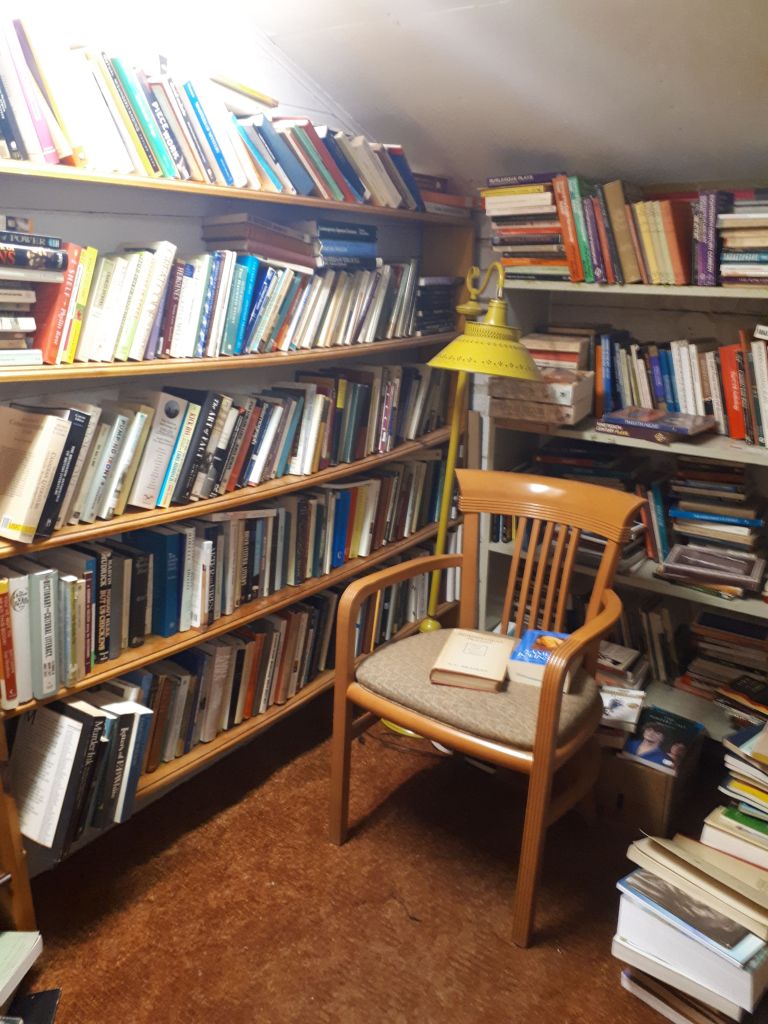
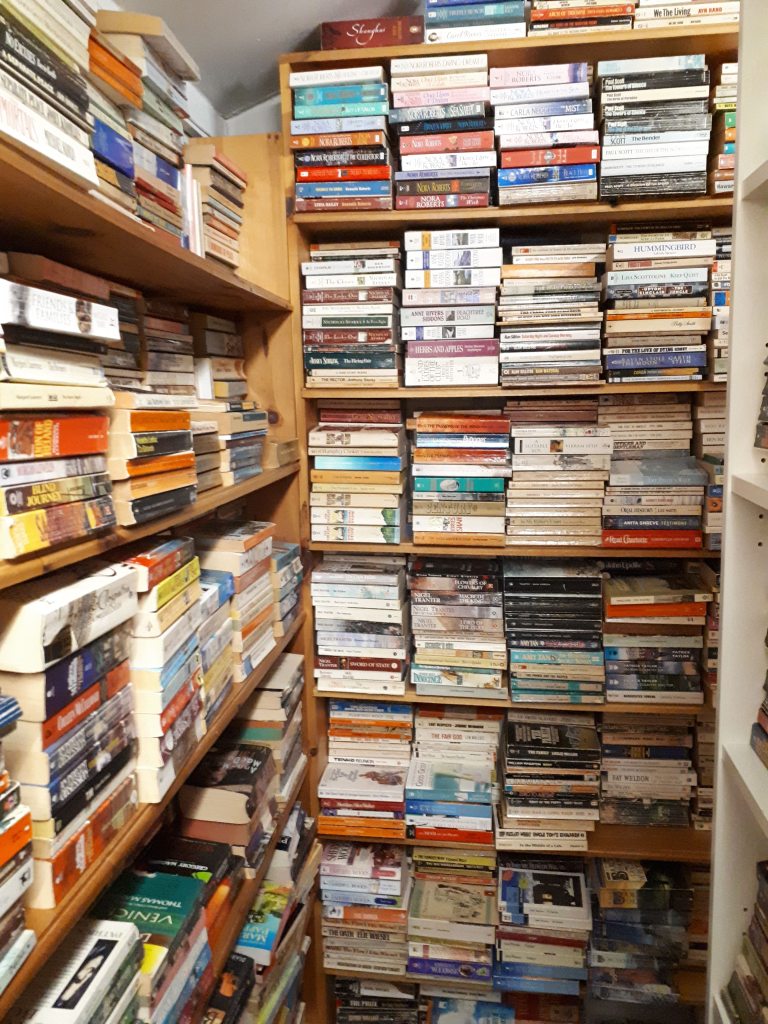
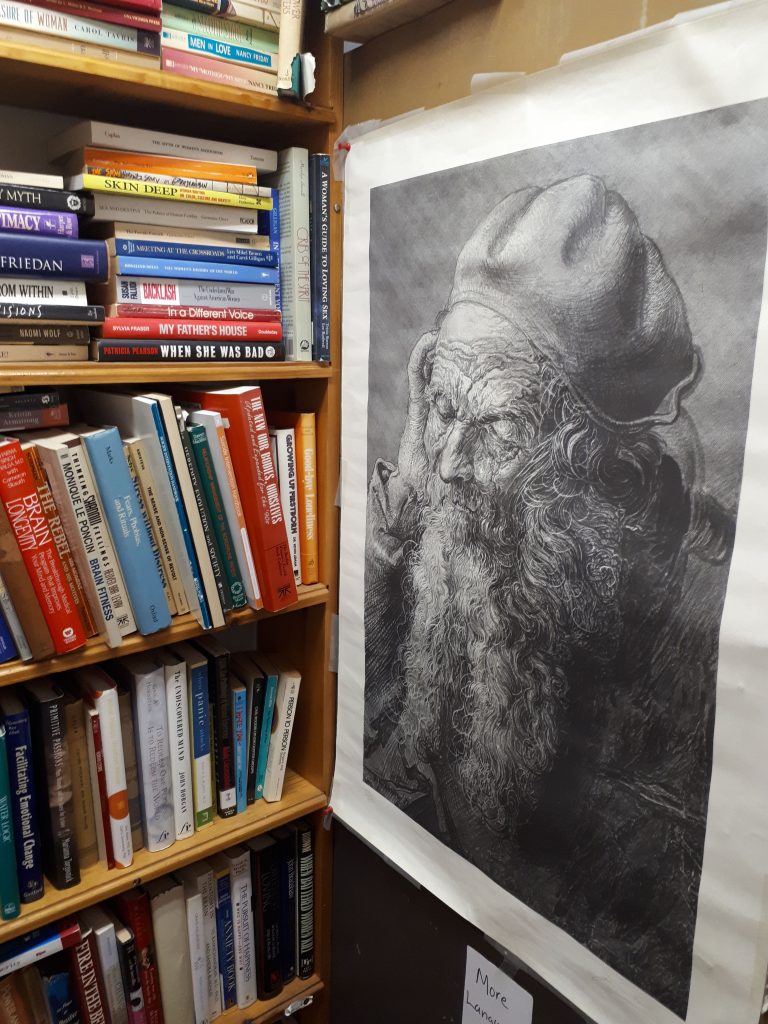
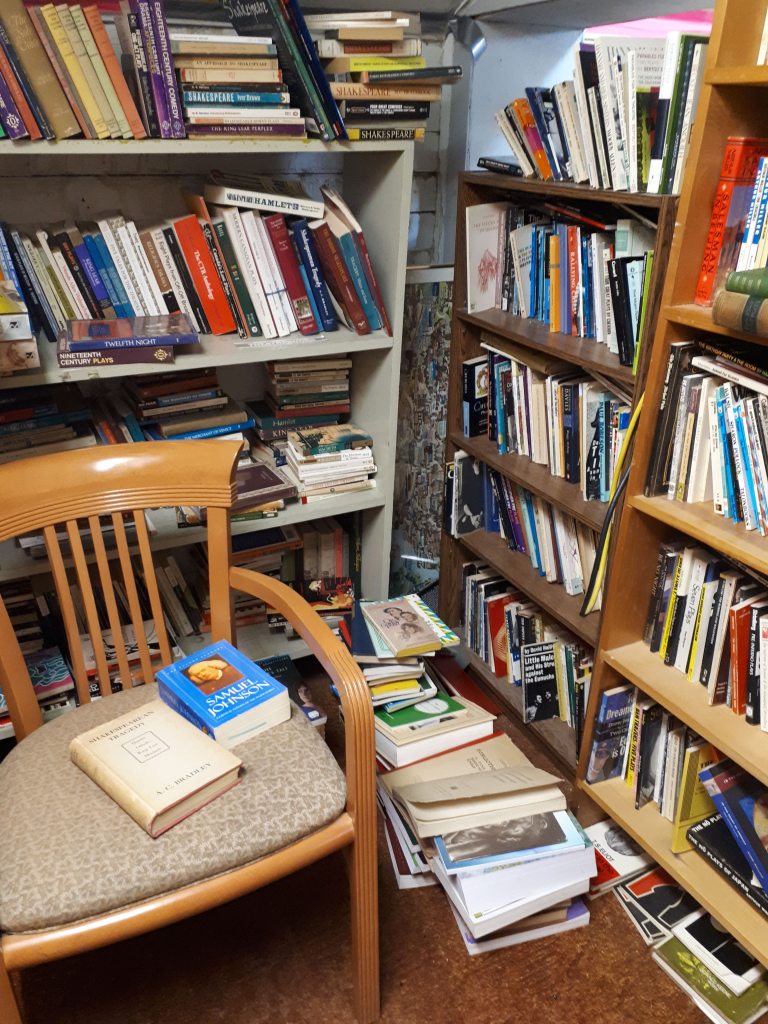
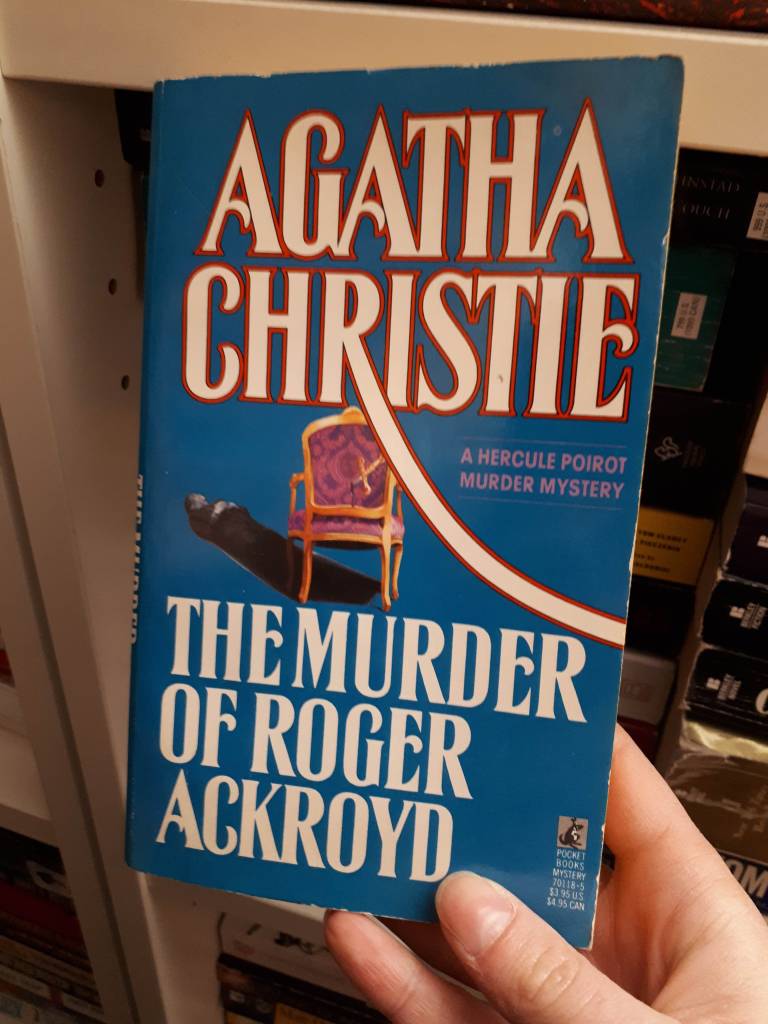
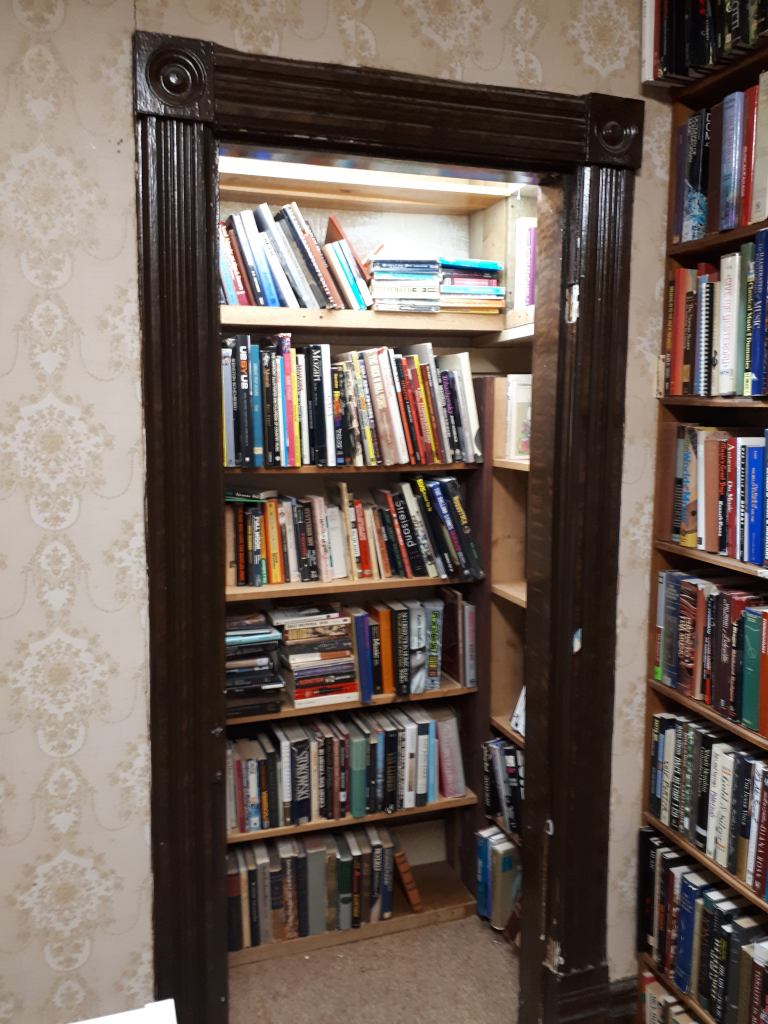
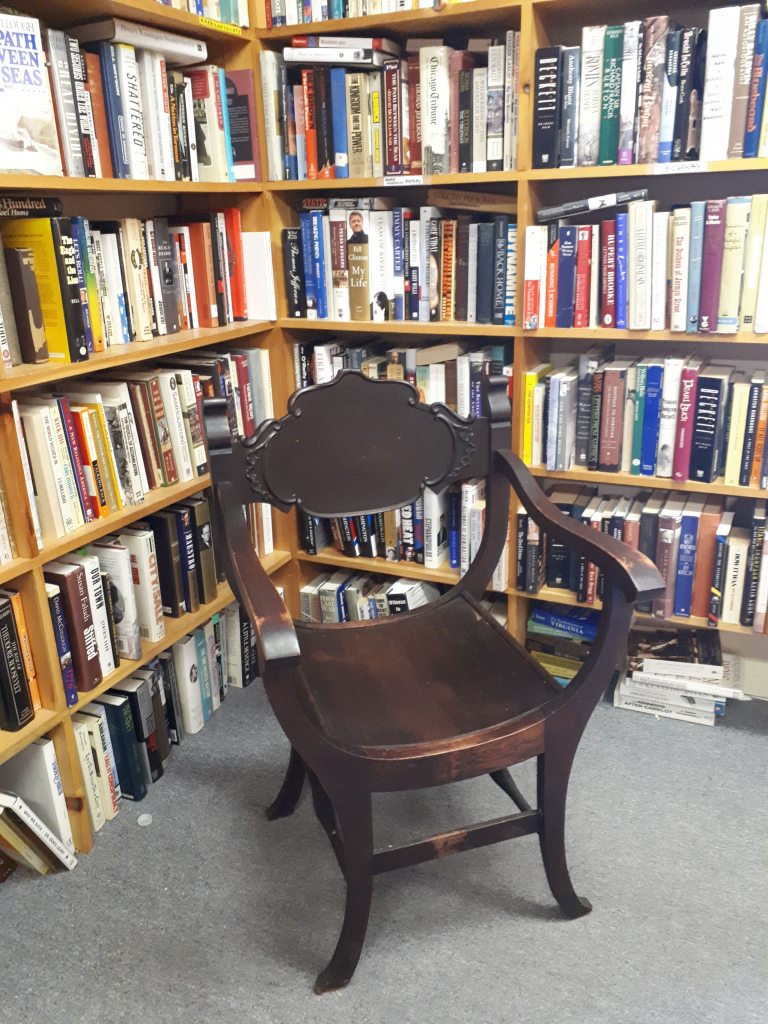
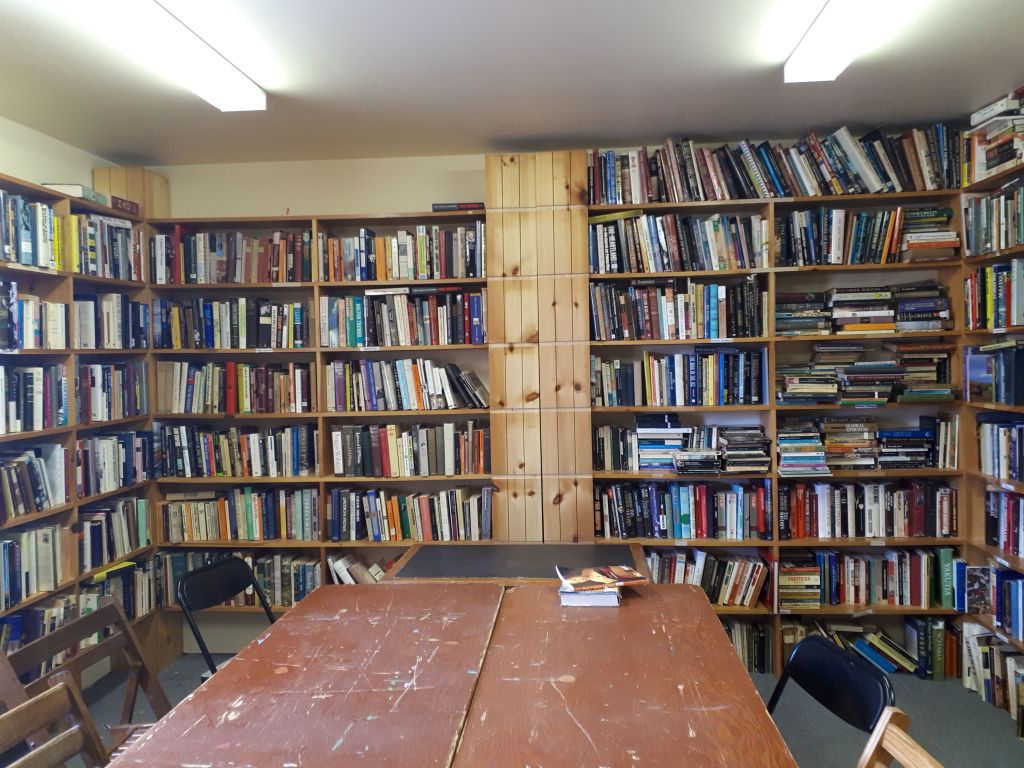



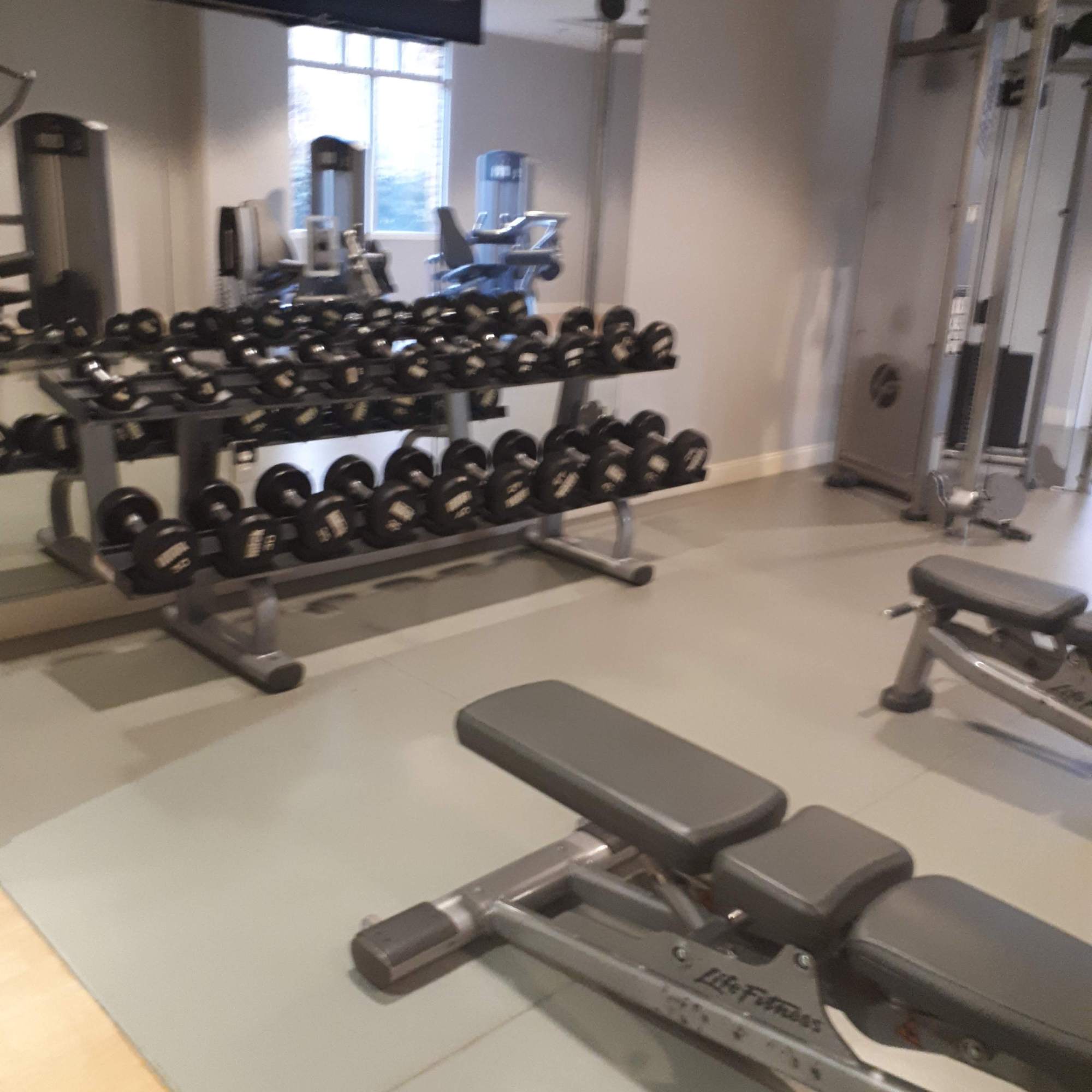

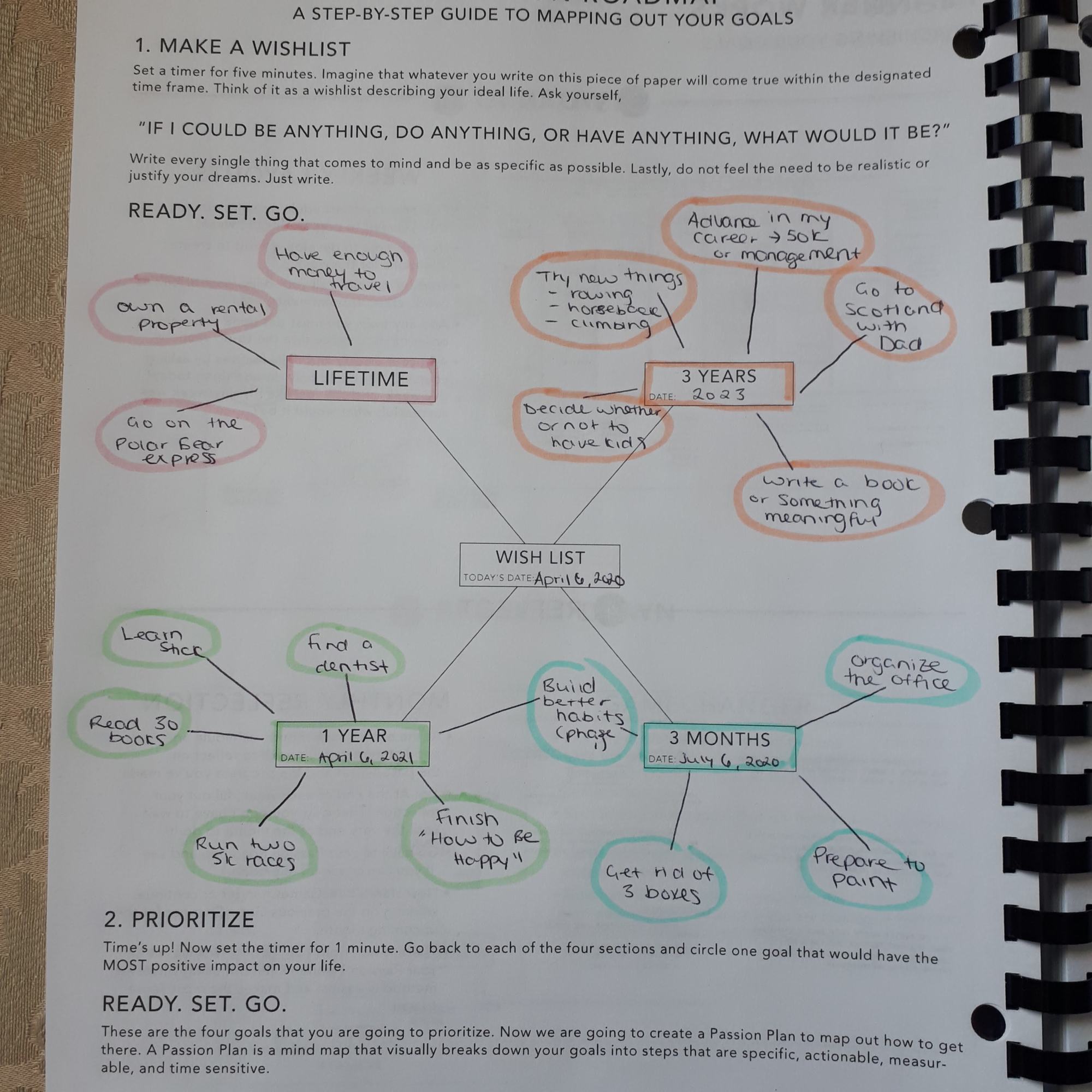
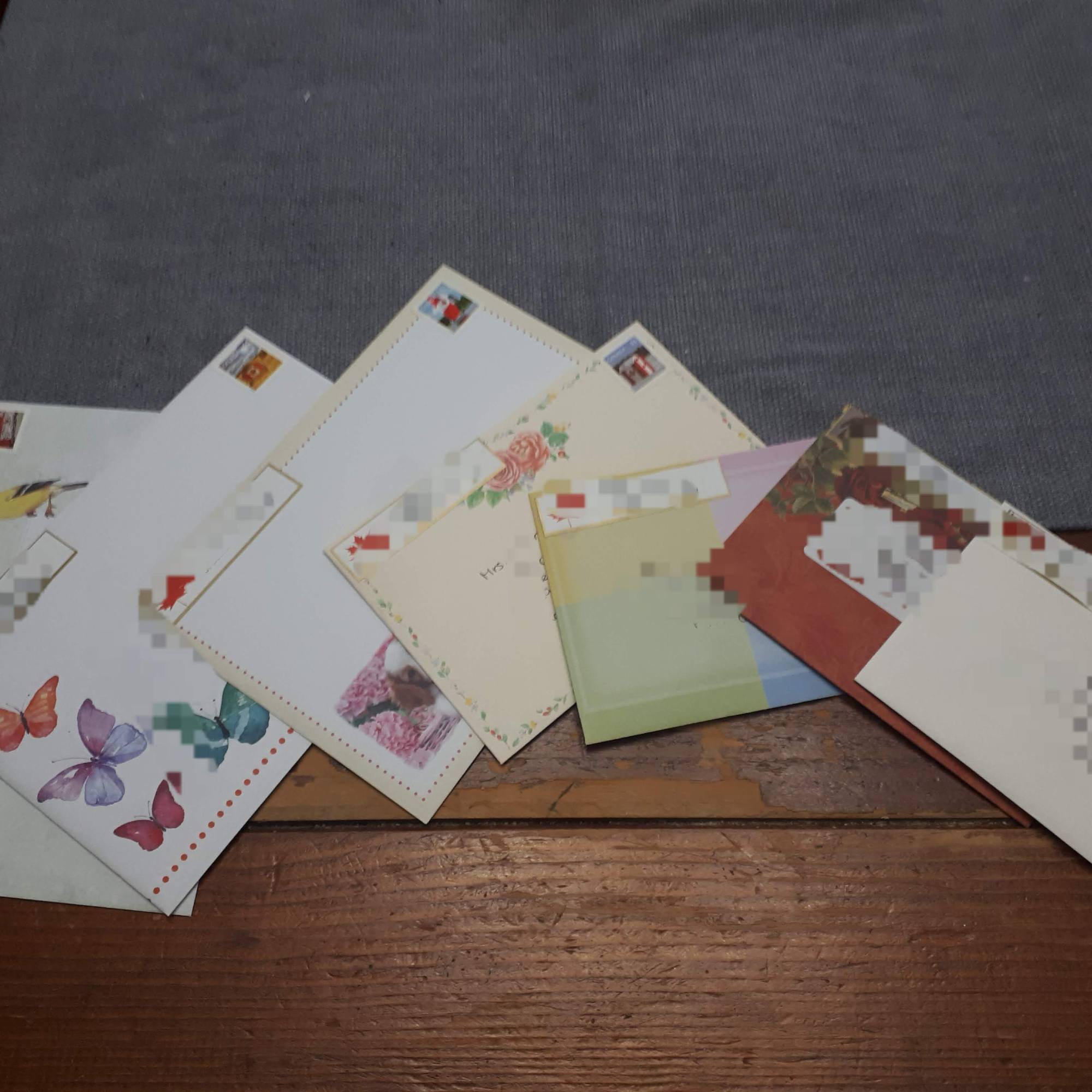




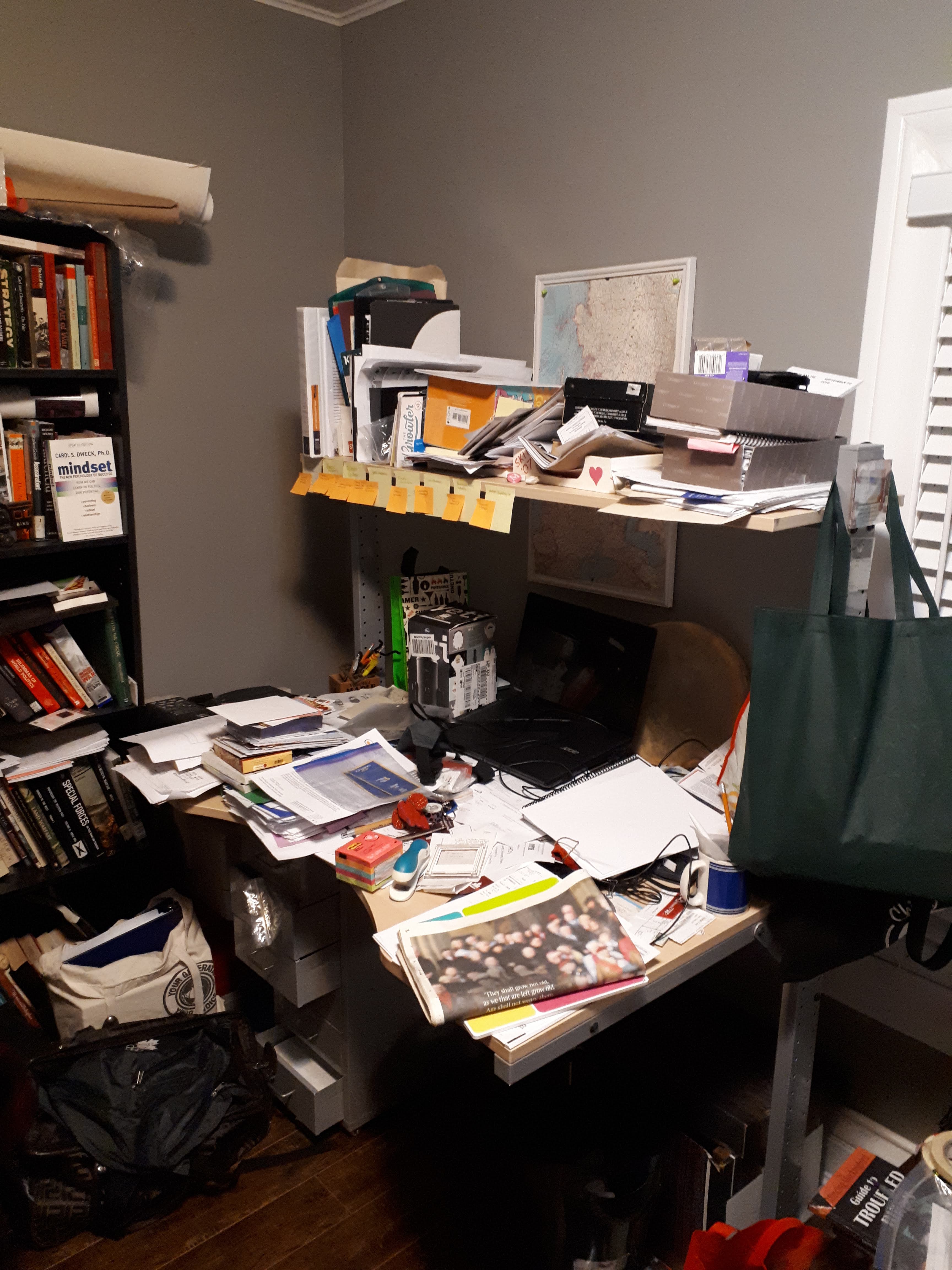

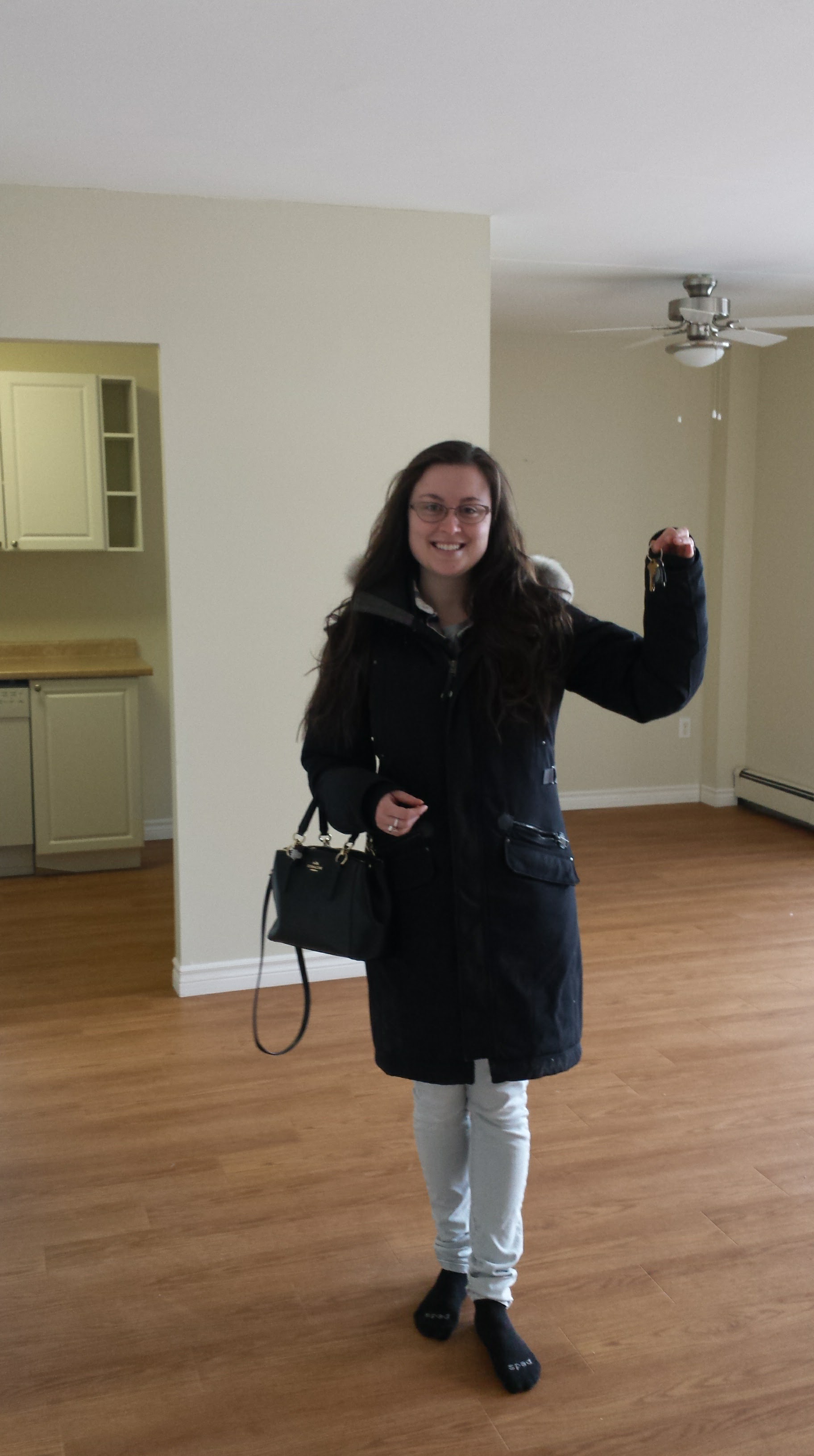
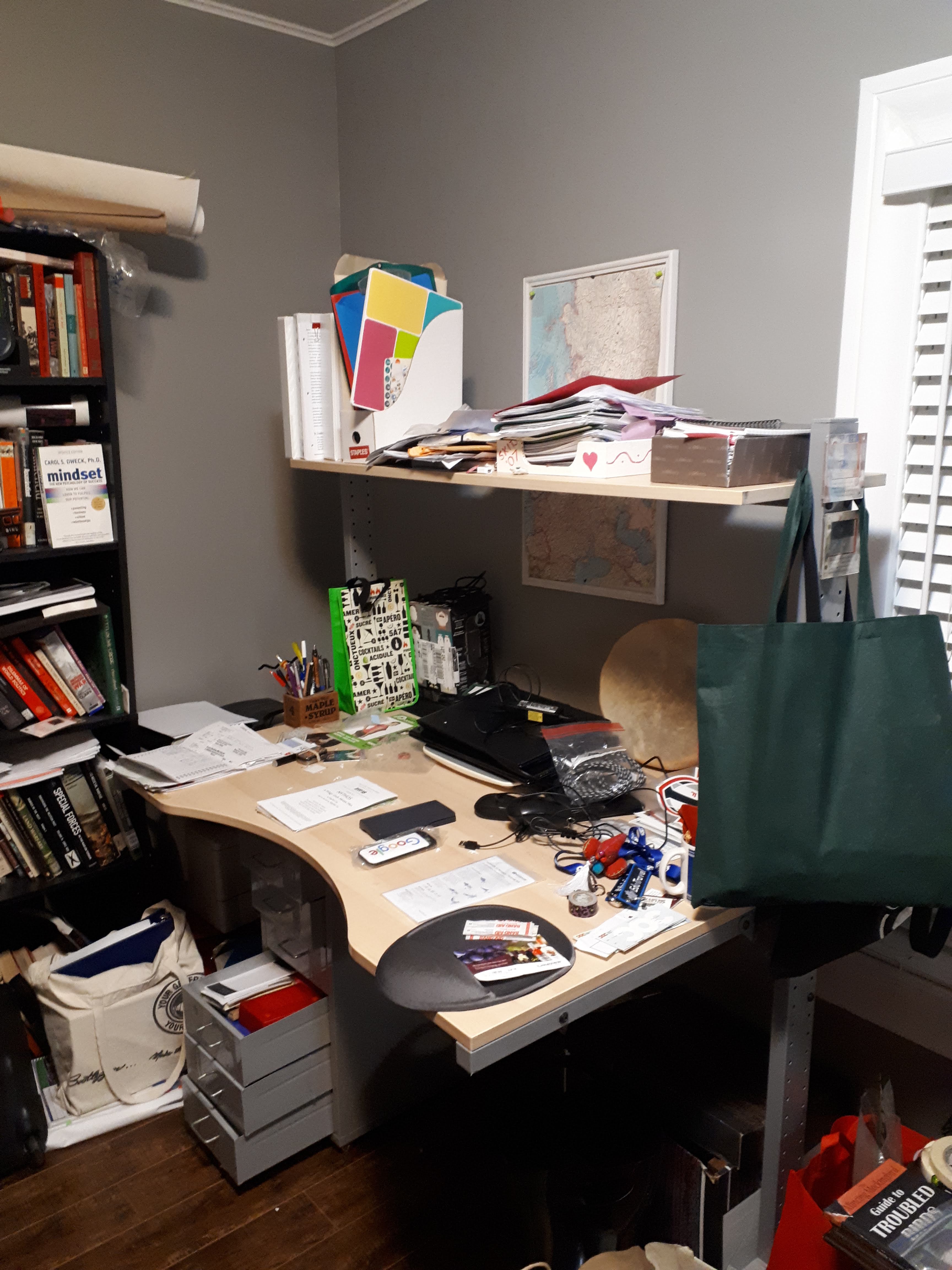

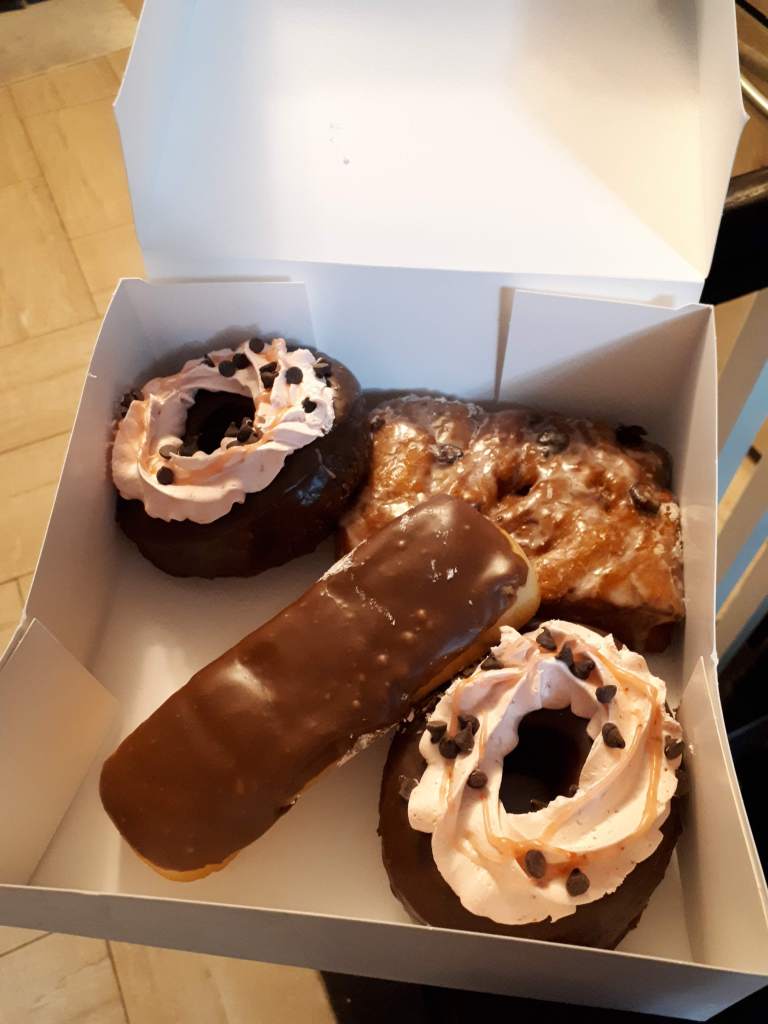

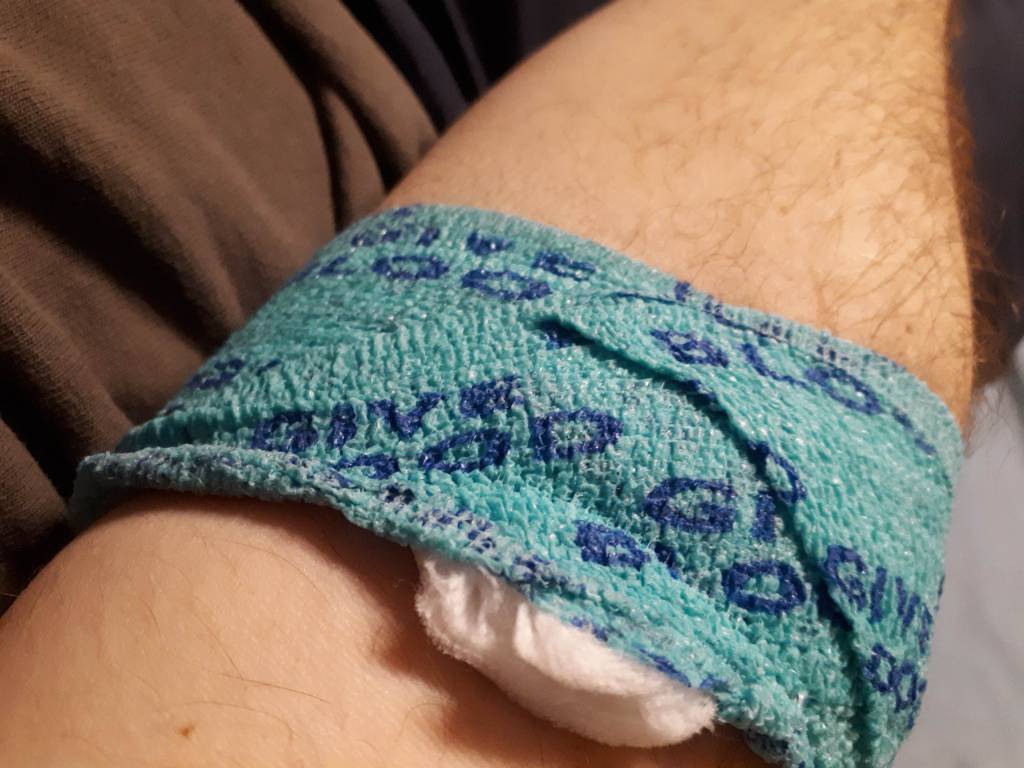
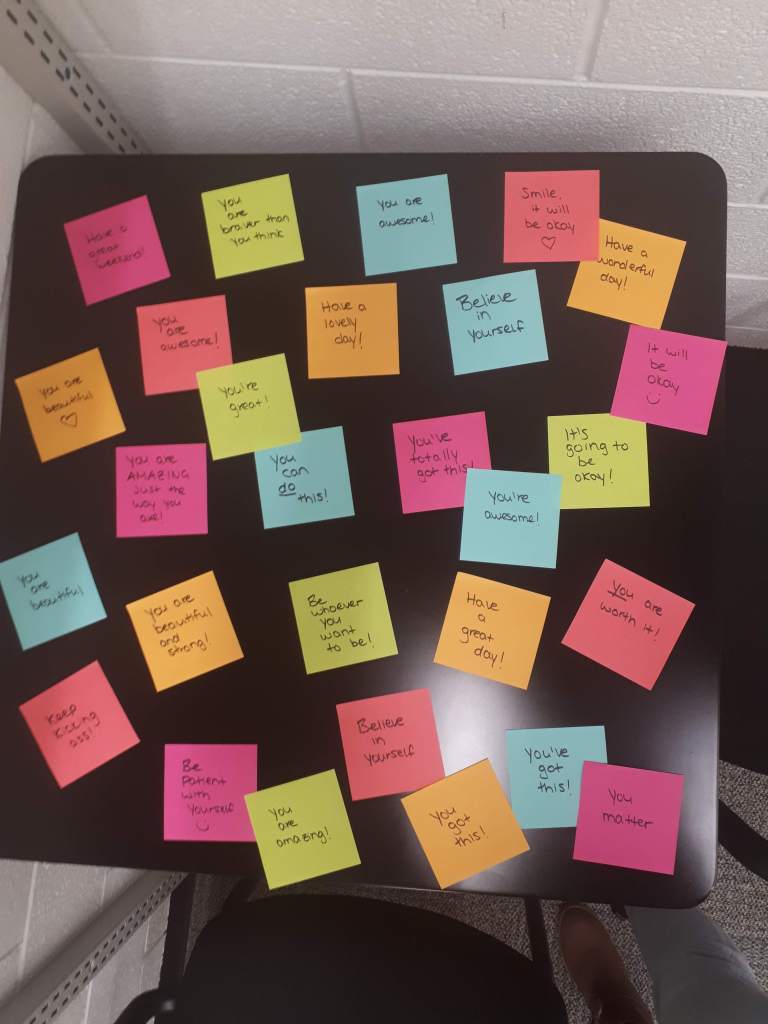
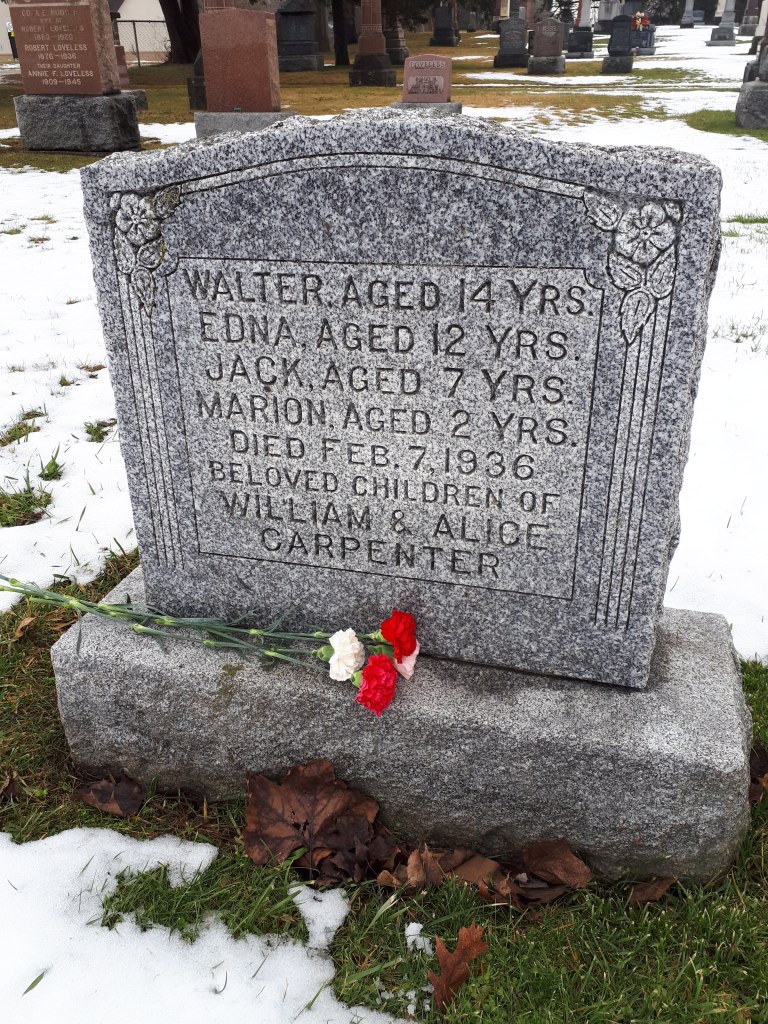

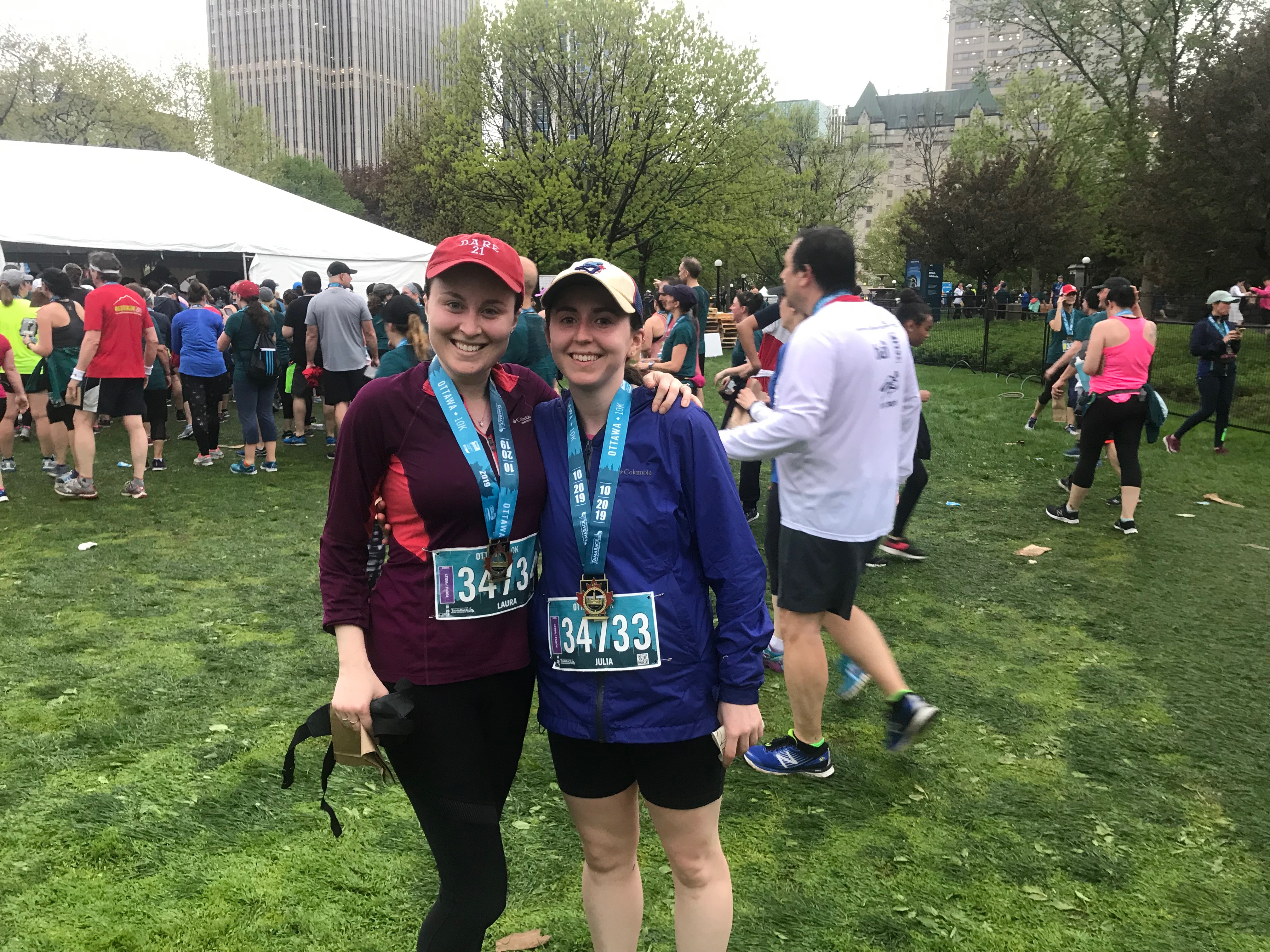
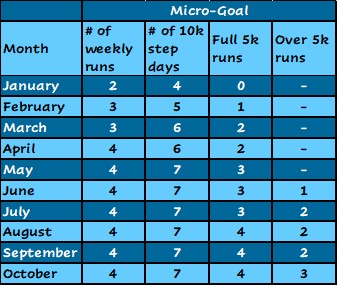

 How to Be Happy