One day I looked up “how to be happy” and this is what I found…
It’s a helluva start, being able to recognize what makes you happy.
— Lucille Ball
Ever find yourself wondering how could you be happier? Have you looked for a “how to” guide, or perhaps a list or two? Have you ever, in a moment of desperation or curiosity, turned to the internet for answers? Well, you’re not alone, because that’s exactly what I did as I stared down the barrel of a new decade. Philosophers, writers, and therapists can’t agree on what happiness is, yet we are all trying to find it, whatever it is. I’m not a scholar of happiness, just a curious person who loves to find, read, and create lists.
So what did I do? I found lists. I found hundreds of lists. Habits, tasks, behaviours, mindsets, and attitudes, all claiming to make me “happy”. From “have a bubble bath” to “avoid negative thoughts” (gee, thanks), bloggers, writers, academics, and your average humans have all contributed to the collective search for happiness.
So, I found the best, most interesting, most ridiculous, and most personally challenging lists and dropped them all into a spreadsheet (my love of lists most certainly extends to the wonder that is Microsoft Excel).
Eventually the wisdom of the internet started to become a tad repetitive, so I narrowed my results down to five key lists. This is by no means an exhaustive survey of all relevant literature and scholarship on happiness (I do have a full time job) but I decided that I wanted to focus on things that just about anyone can do, regardless of budget (therapy, while undeniably powerful, can get pretty pricey!).
Then I had to figure out a plan.
Being that this January marks the beginning of a brand new decade (New Year, New You and all that) I thought that I’d give myself the year to figure out how to be “happy”. I took all the lists, removed all repeats (who would have thought that “go outside”, “get some sleep”, and “have a nap” would appear across the board!) and condensed my list to 52 ways to be happy: one new way per week.
So join me, as I figure out “how to be happy” in 52 weeks, 52 ways, and a whole lot of thoughts!
Alcohol removes inhibitions – like that scared little mouse who got drunk and shook his whiskers and shouted: ‘Now bring on that damn cat!'”
– Eleanor Early
For whatever reason, the phrases “let’s have a drink” and “let’s have a conversation” hit the brain a little differently. Even if the intention is exactly the same, there is something about the addition of a beverage – alcoholic or otherwise – that promises a casual, relaxed atmosphere. Nothing to worry about here – just having a drink! Even before the drink is consumed, the idea of having one seems to serve as a social lubricant.
Sharing a drink – or anything else in close proximity – is a little more complicated at the moment, which brings me to this week. Oh who am I kidding, the last eight months.
You’re on Mute
When the pandemic first hit and the phrase “social distancing” started to appear; before our jobs ruined the fun with endless video meetings and dreaded virtual happy hours, everyone was really excited to schedule Zoom Drinks. Interestingly, these formerly unique social gatherings weren’t just for people you’d normally spend time with (say, at a weekly sporting event or Saturdays at the pub); it seemed that people wanted to connect with EVERYONE.
Suddenly, everyone from close family to the casual acquaintances you used to bump into and promise “drinks soon, okay?” were right there, on your computer screen, in your living room, talking about whatever craft beer or cocktail they had in their hand. After the first few of these Zoom Drinks, I had a few thoughts:
My liver will never recover from this.
Pretty much everyone stares at their own face the entire time.
Camera angles.
Has the lighting in my house always been this bad??
Trying to be casual while facing a camera produces the most awkward body language. Picture a cross between a job interview and talking to a nearly deaf grandparent, but with alcohol.
It’s actually impossible to answer the question “what’s new?” without “uuuhhh haha well not a whole lot…” no matter how many times you are asked in an infinite number of video calls.
You become the most inebriated on calls with either terrible or perfect sound/video quality. The middle ground does not exist.
All silliness aside, it was actually pretty incredible to see what came out of the first months of our new digital reality. I started hearing from people I hadn’t spoken with in months and others that I’d never actually shared a casual drink with before. The social distancing rules redefined what “meaningful connection” could look like, and this new series of online platforms made it so easy. All of a sudden, people became starved for connection – it was as if the loss of potential future encounters was enough to inspire panic (not entirely unlike the great toilet paper rush). Maybe we collectively realized that we really don’t know what tomorrow will look like and that “drinks soon, okay?” may never actually happen. We simultaneously lost both our opportunities to connect and our excuses not to.
$24 Cocktails and other Distractions
When I originally planned to have a drink with an old friend I saw it going a little differently. I imagined a cute little cocktail bar, an overly-pretentious gastro pub, or a hole in the wall dive bar. I imagined loud music, a small round table, a needlessly dark room, and a share-plate of appetizers (remember when we touched each other’s food?? *panic-sprays Lysol*). I imagined one too many $24 drinks; I imagined an Uber ride (or an awkward stumble) home. Most of all, after a few drinks, I imagined a real, unvarnished conversation. (For my extroverted friends: at least two of those drinks were intended to strip off the aforementioned social “varnish”). You can’t exactly plan a conversation (sorry to those prone to social anxiety) but I thought I could at least get the people in the same place.
Let’s play a quick drinking game. For every overused word or phrase of 2020, take a shot.
Needless to say, things didn’t go according to plan during these very unprecedented times (take a shot). This week, it was time to pivot. (shot – now you’re getting it!). Okay, okay I’m going to save us some time here so I can get to the point: toilet paper, panic buying, you’re on mute, bubble, six feet, uncertain times.
In Vino Veritas
Drinking vino on my covid birthday
Catching up with old friends is tricky during the best of times. Practical aspects like geography, work and life constraints, and scheduling difficulties aside, I am one of those people who need to be constantly reminded to reach out to my friends. I also need to regularly remind myself that the people I care about most in the world care about me and what I have to say, too. And that brings me back to the drink.
Whether you consume alcohol or not, there is something to be said for the physical presence of a table and a container of liquid. In the face of even the mildest social anxiety, the drink – for the sake of this example let’s say it’s alcohol – serves a special purpose. Much like the dreaded phrase “we need to talk”, there is something unsettling about the idea of planning an evening entirely around a “conversation” – no matter your relationship or what kind of conversation. Imagine one of your friends texting you the words “let’s get together to have a conversation”. What the hell is going on there? Instead, picture this: your friend sends you a text message that reads “let’s get together for a drink!” Better, yes? Even if – and stay with me here – the exact phrase used doesn’t include the drink but instead a “let’s catch up”, the follow-up almost invariably contains planning for an additional activity. Like going to the bar for a drink. Coming over for a drink. Catching up over a drink. Sharing a pitcher of [insert fruity thing here]. For some reason, placing something in between you and a real conversation – even as a placeholder – checks all the boxes of acceptable social conduct.
The other role of alcohol in a social setting is, predictably, its use as a social lubricant. You all know the friend (me) who gets impossibly chatty after one or two drinks. Alcohol lowers inhibitions and, for me, those inhibitions are usually the conversational walls I carry around with me. The part of my brain that fears ridicule, judgment, and disinterest just goes on holiday and I magically (rather, chemically) become a slightly truer, louder, more honest version of myself. Or in other words, as I drunkenly slurred at my Mother-in-Law after over-sharing, “in vino veritas! In wine there is truth!” I know we’re about one shot away from problem drinking here, but that’s the weird dance that many of us do around alcohol. I am in no way qualified to explain it, but this phenomenon was exactly what I was counting on when I planned to invite an old friend for a drink.
Everything in Between
So what happened this week when I tried, and ultimately failed, to invite an old friend for a proper drink?
When we began social distancing, people rushed to do two things: buy an incredible amount of toilet paper and schedule virtual gatherings with everyone in their lives. Both, I think, were done out of panic. One manifestation of this panic will be the punchline of every 2020 joke from now until the end of time, but the other makes a chilling amount of sense. I know that there are people in my life that I have put off connecting with. There are people I want to meet, there are people I want to get to know better, and there are relationships that I want to nurture. There are relationships that I need to nurture. There are people in my life who will always make me happy and I have somehow, over the years, taken them for granted.
This pandemic has stripped me of all my excuses. It has removed the proverbial table that we put between us and the people in our lives. Now there is no hiding what we really want. There is no drink to distract us from what we really came for. When we log on, we’re doing it entirely for one reason: to connect. In my experience, over the dozens of calls I’ve had over the past year, the drink is almost always secondary. Perhaps we still cling to it as a reminder of what life used to look like (or because it tastes good), but we all know that the slightly pixelated face on the screen is what truly makes us happy.
I still miss sharing a drink with friends. I enjoy the taste of alcohol, I enjoy being social and uninhibited, and I ultimately enjoy the surprising revelations and emotional moments that come from my happiness and of a love that is temporarily stripped of its insecurity. I have had many Zoom Drinks: long, short, boozy, and sober. I gained clarity, learned new things, drank a lot, and reconnected with people I love. Connecting with other people is hard on the best of days, but maybe that’s why it’s so important. Maybe that’s why the happiness is so real.
So cheers, my friends. Until we really meet again.
It’s good to remember that in crises, natural crises, human beings forget for a while their ignorances, their biases, their prejudices. For a little while, neighbors help neighbors and strangers help strangers.
– Maya Angelou
Every stranger is an opportunity to learn something about the world. A stranger is a clean slate, a new adventure, and a chance for reinvention. If you’re lucky, a kind stranger can change the outcome of your day. Or your life. If you pay close attention, you may even learn something about yourself.
The global pandemic has taken many things from many people. One common loss across the globe, I think, is the possibility for spontaneous humanity. All of the places you may encounter a stranger – out shopping, at a check-out counter, in a coffee shop – have been purposefully altered so that you don’t bump into anyone. With a six foot buffer on all sides, it’s actually almost impossible.
So what does this mean for our capacity to learn? To explore? To reinvent? What do we look like without the accidental shoulder bump, the pardon-me-no-you-go-ahead, the world of possibility in the empty seat next to a stranger on the bus?
I don’t know.
But I do know that we are worse for it. What can we do but take care, hope, and remember that we are staying safe to protect not only our friends and family, but the strangers all around us.
With that, I will leave you with this encounter I had with a stranger this week.
I’m Surprised
I was really early. I knew I was early – I almost always am – but today I was almost awkwardly early. In my eight minute drive to the gym – a drive that can take anywhere from 8 to 30 minutes – I encountered no red lights, no traffic, no slow drivers, and no canal traffic. When one leaves early to avoid being stopped by a literal ship (that’s where that extra twenty minutes comes from) one is really early.
Not wanting to sit in my car for an “acceptable” period of time, I decided to grab my stuff, walk down the hall to the Pilates studio, and set up for the class early. The few minutes of quiet before class would probably be a good thing.
When I walked through the first set of glass doors and into the studio, I found the lights off. The sun was about to set and the room was quiet. I hung up my coat, took off my shoes and socks, and stepped around the corner with my mat.
I didn’t see her right away. It wasn’t until I was about to roll out my own mat that I noticed hers facing the opposite direction, at an angle. I looked away as I carefully and quietly rolled out my mat. Some people lay out their mats early. Some people use the room before class to stretch or warm up. Some enjoy peace and quiet before the music starts. It took me until my mat touched the floor to finally realize what was going on. She was praying.
I froze. She obviously knew I was there. What would be more rude? If I saw her and immediately fled the room, or if I stayed and intruded on her private moment. I decided to compromise, leaving my mat and water bottle, and quietly walking back across the studio, around the corner, and out of sight into the coat area. I sat down on a bench and thought about what I’d just witnessed.
I didn’t know her name but I’d seen this woman before. By her head covering I’d assumed she was Muslim but I hadn’t thought about it much beyond that. As I waited on the bench the picture started making more sense to me. It was Autumn so the sun was beginning to set earlier and earlier each day. At this very moment, to be precise. The unusual placement of the woman’s mat in the room likely meant that she was facing Mecca, and quietly observing the Maghrib prayer.
Sitting on the bench I felt a painful mixture of shame and embarrassment. How could I not have noticed that this woman was praying? Oh, I don’t know Laura. Maybe next time you walk into a room, take a quick scan. I had walked halfway across the room with all of my kit, intruded on her peaceful moment with God, and I was now sitting right around the corner.
Then I heard her voice.
“You can come in”
I walked back into the studio with my hands twisted together in front of me. She was smiling as she rolled up her mat.
“I’m so-” I started.
“Thank you,” she said brightly. “I am really running out of daylight these days!”
I laughed.
“I’m really sorry, I didn’t notice you there – what you were doing – right away, but I figured I should leave and come back.”
“You know,” she said, “I’m really surprised you knew. Not many people understand. So thank you.”
“You’re welcome,” I said. “It just made sense to me.”
“I’m Zara, by the way.”
“Laura. Nice to meet you Zara. I hope you have a lovely evening!”
“Thank you”, she said, “you too.”
I walked over to my mat and sat down. I could hear people starting to gather around the corner.
Every time you meet a stranger you learn something about the world. And yourself.
Since you get more joy out of giving joy to others, you should put a good deal of thought into the happiness that you are able to give.
– Eleanor Roosevelt
It’s easy to say in retrospect, but when I’m telling you that I had a plan for this week, I actually had a plan. In an effort to be slightly less socially awkward and make a real adult friend at work, my brilliant idea was to invite a colleague to lunch – on me – with the goal of getting to know someone a little better.
*Narrator: she didn’t*
Whenever you happen to be reading this, I can’t hide the fact that I am writing it in the year 2020.
A Brief Note of Context
When I started planning this little writing project the world had been aware of COVID-19 for less than a month, and only then as a new virus recently discovered in (and mostly limited to) the Wuhan Province of China. It didn’t occur to me for a moment that by Week Eleven of my twelve month plan I, along with most other non-frontline workers, would be working from home, indefinitely. I started writing with the idea that my thoughts, discoveries, and stories about happiness weren’t confined to one particular moment in time; that whatever anyone could glean from my words could apply at any time, in any place, in the English-speaking world (I barely have a second language and trust me, you don’t want me to write in it). When the World Health Organization declared COVID-19 a global pandemic in March of 2020, this story – and my ability to tell it – became firmly bolted to this precise moment in time.
I selfishly tried to keep the pandemic out of my words as much as possible, focusing instead on timeless truths about happiness in a modern world. I’ve talked about unpacking childhood baggage, learning to acknowledge and redirect negative self-talk, and of choosing to be happy in the face of trauma and personal loss. But maybe now it’s time to finally let go of the “perfect” narrative and talk about resilience – and what little I have actually had to show – in the face of our current reality.
The truth is, in the age of COVID, I am socially, economically, and medically privileged. I share a home (that we own) with my wonderful husband and I have never once had to wonder where my next bit of human contact will come from. My husband is a teacher in a part of the world where teachers are well paid with a fair amount of job security. While he is now “on the front line” in that he currently works outside the home, he is very safe and will not lose his job if he does become ill. I work at a university and have been continually employed and safely working from home since March. Because of our jobs, our age, access to medical care in our province, and our relative lack of pre-existing conditions, we are not among those most vulnerable to COVID-19. My personal privilege extends one step further: I do not personally know anyone who has contracted the virus. My “losses” as a result of the pandemic have been entirely limited to my hobbies, leisure time, and social life. Yes, the state of the world and my place in it has been, at times, difficult to cope with. But the fact that I can actually say I have in some ways benefited from the pandemic – with more time to read, the elimination of my commute to work, and the wherewithal to support local shops and restaurants – is the true indicator of my privilege.
But what about everyone else?
If I could buy the world a lunch…
When it comes to social responsibility, we always seem to find an excuse to not “live our values” or practice what we preach. For example, I always used to say that I’d buy my groceries from the Farmer’s Market “when I had more money”. To be fair, I said this when I was about 20 and I actually didn’t have the money, but I’ve caught myself several times over the past few years coming up with similar excuses – it’s closer, it’s more convenient this way, it will save us a bit of money, I’ll do better next time. One thing that COVID-19 has done for me is completely strip away every last one of these excuses. My husband and I find ourselves in the unusual position of retaining 100% of our income but losing about 60% of the ways we would typically spend it. In an average year we like to spend our free time (and money) travelling, attending live sporting events, going on adventures, and making our way through the local food and drink landscape. Not being able to do these things has given us some time to reflect.
With more free time and money we have been trying to focus on what’s important for us as a family and, perhaps most importantly right now, how we can give back to our chosen community. With the money we would have spent filling our car with gas or taking the train to soccer games, we are now giving directly back to our local business community in our absolutely favourite way: eating local. We live in Niagara and, once you get past all the basic tourist stuff, there are some truly fantastic local restaurants. Our top three right now are:
To be clear, I am NOT patting myself on the back. My reasons for sharing this information are twofold: to bring awareness to organizations that do incredible work on a local, provincial, and national scale; and to urge people who are in similarly privileged positions to consider giving back. After all, everyone has been touched in some way by cancer, natural disaster, challenges to physical and/or mental health, poverty and joblessness, and old age.
Pivot, Unprecedented Times, and other pandemic buzz-words
Looking at this week in light of the pandemic, I wasn’t exactly sure how to accomplish my goal. When I planned this happiness task many months ago, I thought I would be walking away a few dollars poorer with a deeper connection to someone in a similar situation to myself. When I really think about it, the elements of buying someone lunch that I believed would make me happy – the joy of giving, the sense of community, and the chance to learn something new – are universal phenomena that exist beyond eating take-out food under cafeteria lighting with a work friend. Of course when this is all over I plan to try this again, but what can I do in the meantime?
Another thing I am blessed with is a collection of wonderful friends who do live their values and inspire others to do the same. In response to my COVID lunch conundrum, my dear friend Allan suggested that I make a donation to a local food shelter and learn more about how they operate in my community. I cannot believe I didn’t think of such a brilliant idea! Not only is it completely the right thing to do, it checks all of my boxes. Donating to organizations who actually make and/or buy lunch for community members will absolutely bring me joy, connect me to my community, and give me a chance to learn more about people and organizations who are working tirelessly – and during a global pandemic – to better the lives of those around them.
I have chosen three organizations to learn about and donate to.
Community Care, St. Catharines & Thorold
Founded in 1919, Community Care has been providing vital services and assistance to individuals and families in St. Catharines & Thorold. Their programs and services range from food and shelter security to emergency services and medical programs.
The RAFT was created in 1994 to support at-risk and homeless youth in our community by helping them become independent and self-sufficient. Their services range from hostel-style accommodations, regional transportation programs, community development initiatives, and a hot meal program.
Formed in 2008, Silver Spire provides outreach to homeless and other marginalised members of the community. In addition to their stated commitment to acceptance, the church participates in an Out of the Cold program, providing a hot meal and a place to sleep every Monday from November through March. Silver Spire also works with Community CARE, Start Me Up Niagara, the St. George Breakfast Club, Bethlehem Housing and Support Services, The RAFT, Gillian’s Place, and AIDS Niagara.
While I didn’t exactly accomplish my goal in the way I set out to this week, I am actually much happier with the outcome than I probably would have been in a non-COVID world. Connecting with friends, family, and colleagues is definitely important – especially now. But this week, thanks to a friend, I got to help someone who needed that lunch more than I do; someone who makes me proud of the community I live in, and someone I may one day meet walking down the street, in a café, or at work.
Think what a better world it would be if we all, the whole world, had cookies and milk about three o’clock every afternoon and then lay down on our blankets for a nap.
– Barbara Jordan
If you asked me before this week, I would have told you that there are exactly two kinds of adult nap: purposeful and accidental. Taking a 20 minute power nap in the middle of the day? I meant to do that. Falling asleep in the middle of a movie (or, God forbid, Zoom meeting)? Whoops.
I would have also told you that I am most emphatically not a napper. I’ve always been very jealous of people who seem completely refreshed after a short snooze – accidentally or on purpose. My husband is one of those people. The jerk had an accidental nap this afternoon while we were watching a soccer game on TV. (I noticed because he had stopped answering me and eventually started snoring). Did he mean to do that? Nope. Did it negatively impact him in any way? Of course not. As always, he seemed extraordinarily pleased with himself and, somehow, in an irritatingly better mood.
When I wake up from a nap, on the other hand, I feel lost, disoriented, mysteriously ill, and in desperate need of a calendar and the exact time before I can rejoin the world. An accidental nap is the single most disruptive thing I can do to myself, so why on earth would I do it on purpose?
That brings me to this week, when I have apparently set myself the improbable task of taking a power nap. Intentionally. Everything I’ve experienced in my life up to this moment suggests that taking a nap will decrease my happiness – at least temporarily. But I’m open minded, so what the hell.
Ever the nap skeptic, I decided to do some poking around on the internet to see what the science says about napping and happiness. I was particularly interested in the “How To” section because, apparently, I’ve been napping wrong for the better part of two decades.
Why We Nap: A Guide for the Modern Non-Infant
It turns out that there are quite a number of benefits of napping on purpose. Evidently, a carefully crafted nap can improve your mood, memory, and creativity; heighten mental and physical performance; decrease fatigue and stress; and, increase relaxation, alertness, critical thinking, heart health, and career success.
Okay, so I’ve experienced exactly none of these alleged benefits. Am I unlucky or am I just doing it wrong?
There are some drawbacks to napping, but the list is much shorter. There is a possibility that you will experience sleep inertia – the feeling of grogginess and disorientation (Ding! Ding! Ding! We have a winner!), or that napping will induce nighttime sleep problems. The latter is brought on by napping too much or too long, but I could find absolutely no explanation for sleep inertia. Just unlucky, I guess.
“Nappiness” (I know, *Cringe*)
The napping benefit of particular interest to me is, of course, the possibility that napping can make me happy. I learned, amid some etymological confusion, that there is actually a word for that. According to The Independent(so take this with a grain of salt) the state of satisfaction that results from a nap is often called “nappiness”. I’m going to go right ahead and put that term back where I found it and promise that this is the last time I’ll use it.
Questionable editorial practices aside, there have been some actual studies connecting regular napping and increased happiness. A survey of 2,000 Americans found that nappers are more likely to self-identify as happy (90% to 79%). Research from the University of Hertfordshire suggests that a nap under 30 minutes can make you more focused, productive, creative, and – yes – happier. One particular study asked 1,000 participants about their napping habits and then assigned each a “happiness score”. Those who napped had an average score of 3.67 (out of 5) compared with an average of 3.52 in non-nappers, and 3.44 in those who took long naps. Is that where I’m going wrong? Are my naps too long?
Fantastic Naps and How to Do To Them
For those keeping score, I have now learned that I am clearly afflicted with sleep inertia and am apparently putting my health and happiness in jeopardy by either not napping at all or napping for too long. Whatever it is I’ve been doing, I’ve clearly been doing it wrong. So, what is the right way to nap?
Back before I opened Pandora’s Box of napping, I believed there were two kinds of nap: accidental and purposeful. It turns out there are between 5 and 10 varieties of nap, depending on who you ask.
Psychology Today put together an astonishing list of 9 different types of naps which I have paraphrased here:
The CEO Nap Why: Will boost daily energy, focus, and mental performance (all very CEO things) How: Short (can’t keep the shareholders waiting). Twenty-five minutes at the most, aiming for between 1-3PM.
The Nap-A-Latte Why: A pick-me-up when coffee alone just doesn’t cut it anymore. How: Drink 6-8oz of coffee very quickly (the article even suggests putting ice in it, so they really do mean fast), then find a quiet place and lie down for 20 minutes. You wake up just as the stimulant effect of the caffeine kicks in.
The New Mom (or Dad) Nap Why: Because you clearly haven’t slept in weeks. How: Sleep when your baby is sleeping.
The Sports Nap Why: To increase sports performance and deliver immediate physical and mental benefits. How: Sports drink and a quick 15-20 is all you need.
The Disco Nap Why: To prepare for a late night of partying, of course! How: Take a whopping 90 minute nap before you hit the disco. (Can also be combined with the Nap-A-Latte).
The Siesta Why: Because that’s the way we’ve always done it (sadly, the majority of North America excepted). How: Dim the lights and close the shop around 2:30 every day.
The Shift Work Nap Why: Because shit work (i.e. being awake and active when you’re meant to be asleep) can be bad for your health. How: A short nap before the shift begins and/or napping on short breaks during shifts.
The Teen Nap Why: Because their biological clock is messed up and they’re chronically sleep deprived because we force them to get up stupidly early for school (which is probably why they’re grumpy all the time). How: A short 20-minute nap after school and longer naps on the weekends.
The Jet Lag Nap Why: Because time change is hard. Reduce jet lag and keep energy up to navigate an entirely new time zone. How: Do your best to adopt the schedule that fits your destination time zone. Sleep when the locals sleep.
So, this blows my two completely out of the water. While many of those don’t apply to me (as a childless, 30-year-old, non shift worker) these nine whimsical naps can fit into a slightly more scientific-sounding list of five types of nap, according to the Sleep Foundation.
Recovery Nap(incl. “New Mom/Dad and Teen Nap): Recover from sleep deprivation or, as we colloquially say, “catch up on sleep”.
Prophylactic Nap(incl. Disco and Shift Work) To prepare for sleep loss.
Appetitive Nap(incl. CEO, Nap-A-Latte, Sport, Siesta): To relax, improve your mood, increase energy levels, or simply for the love of napping.
Fulfillment Nap(incl. Whatever the baby is doing while Mom naps?): Because kids just need more sleep than adults.
Essential Nap(incl. Jet Lag): To “sleep it off” when you are sick.
At this particular stage in my life (non-baby, non shift-worker) I’m most likely to need the rare “Essential Nap” for travelling and cold-and-flu season, the occasional “Recovery Nap” for preparing for or recovering from drinking too much, and, most often, the optional “Appetitive Nap”. While the others seem biological necessary, all sleep in the nap-for-fun genre seems focused on the elective benefits of higher energy and happiness. Seems like a win/win.
But if I’m going to do this, I’m going to do it right. Because I’m not touched by the angel of sleep like my dear husband, I will not leave my napping to chance or accident. So how does one nap?
Keep it quick: aim for a 10 to 20 minute Power Nap. The longer you nap, the more brutal the sleep inertia.
Stick to the early afternoon: napping after 3pm can mess with bedtime.
Create a restful environment: look for a quiet, dark place with a comfortable temperature (around 65 degrees F) and few distractions.
Set an alarm: don’t accidentally sleep for three hours if you want to be a functioning human when (and if) you wake up.
Set aside your worries: while this is easier said than done, stressing out will keep you awake. Ignore the never-ending to-do lists in your brain and try doing some relaxation exercises.
Ask yourself why you’re napping: when you have sorted out what you want to get from the experience, you can plan the perfect nap to fulfill your goals. (Or, perhaps, establish the need for medical intervention).
Yawn or: How I Learned to Stop Worrying and Love (or tolerate) the Nap
After overthinking to an impressive (and unproductive) degree, I eventually narrowed my research into a very brief mission statement, as it were, and one or two useful guidelines to make the most of my week of napping.
This week, in an effort to increase my personal happiness, I will designate time to have one or two intentional, 20-minute naps in my dark, temperature-controlled bedroom.
Nap #1
After work on Monday, my husband and I were laying side-by-side on the bed, chatting about our day, when the conversation naturally hit a lull. While somewhat spur of the moment, I decided to make the most of the situation. I was planning on heading to the gym around 6pm so I figured this would be a good opportunity to test-drive the Sports Nap. I set an alarm on my phone for 45 minutes, put on my eye mask, and curled up in bed. Yes, I broke pretty much every single rule I’d just set out to follow. My nap was late in the day, it was significantly longer than the recommended 10-20 minute power nap, and I’d argue that having another person inches from your face is a bit of a “distracting environment”. But you know what, it ended up actually being a pretty good nap! I was tired, I set a time limit, and I had plans for later in the evening so I knew that the snooze button wasn’t an option. The biggest difference between this nap and virtually every other time I’ve fallen asleep at a strange time? This time I did it on purpose!
Nap #2
It was God-knows-what day of the week, I’d slept very poorly the night before, and by 10:30am I’d hit a wall. I decided that I would use half of my lunchtime to take a Recovery/CEO/Siesta Nap. At 12:01, I crawled under the covers, set the alarm, lowered the eye mask, and immediately fell asleep. When the alarm went off 20 minutes later, I slowly opened my eyes, yawned, stretched, and said a prayer of thanks to the Work From Home gods before heading to the kitchen to make some lunch. I had desperately needed that nap and, contrary to any of my previous assumptions, that little bit of planned mid-day sleep was exactly what I needed. I finally got a glimpse of the blissful contentment that everyone in my life is constantly going on about.
Nap #2 Re-enacted by LC the Dog
On Wednesdays We Nap
Am I a napper now? Despite this recent bit of success no, I don’t think I can see myself as a life-long napper. I woke from my snooze this week with a sense of purpose and accomplishment – I set a goal for myself and I achieved success – but behind that was the ever-present sleep inertia that required a firm hand (and deadline) to shake. Does napping make me happy? I think the better question is how does napping fit in with the other causes of my happiness? When I sat down and learned about the benefits of napping and later when I lay down and applied them in practice, I discovered that a lot of these “benefits” are not exclusive to napping, and are predicated on other determinants of health and happiness. As I always have, I can really take or leave the nap. Getting six to eight hour of of regular sleep, eating well, and exercising regularly can improve my memory, mood, and critical thinking skills. The same goes for the rest of the list of benefits. With very few exceptions, napping for me is Appetitive – or optional. My first nap made me happy because I accomplished it but, most importantly, because I shared it with someone I love. My second nap was necessary because I was a trainwreck from the night before and, while it allowed me to finish my day, I didn’t actually experience joy.
I am not a convert, but I now know more than I ever thought I would about the man having a cat nap next to me. The blessed goofball can sleep whenever, however, and wherever, and wake up to the best day/half day/evening of his life. For me to get the most out of my nap – or to experience the least amount of negative impact – I have to carefully and patiently set a clear intention. After all, for me, napping is no happy accident.
To save the embarrassment of all humans involved, please enjoy an album of LC the Dog having a nap.
Learning is the only thing the mind never exhausts, never fears, and never regrets.
– Leonardo da Vinci
I will always remember the first conversation I had with my graduate thesis supervisor. I was at work one day when I happened to check my email – on my Blackberry, because it was 2013 – and saw the subject heading “Trent Anthropology MA”. Instantly my cheeks flushed, my hands turned ice cold, and my heart started pounding in my chest. I sat down and opened the email.
I quickly scanned for words like “accepted” or “congratulations!” before I noticed that the message wasn’t from university admissions. It was from Dr. Hugh Elton, a Professor of Ancient History and Classics who was about to become the Dean of Humanities at Trent University. The tone of the email was somehow both urgent and meandering; a habit, I would learn, that is not uncommon among academics. If I had 30 seconds to summarize the emotional rollercoaster that was his email, it would go something like this:
This email is about your application. (yes!) I am about to become very busy. (umm okay?) BUT, something in your application excited me. (awesome!) HOWEVER, I need to know more because I won’t be able to help you if what you’re interested in doesn’t fit within my exact area of expertise. (oh shit) SO, let’s sit down and negotiate over the phone. (ohmygod) BUT, we need to decide this very quickly. (ahhhhh). SO let’s talk today or tomorrow (*faints*).
He went on to briefly describe some areas of study he was exploring before signing off with what essentially boiled down to “if you go too far down the garden path, I can’t help you.”
I don’t handle nervous anticipation well on a good day, but what happened over the next week took everything to a new level. This, at the age of 22, was my future. From the moment I began my Undergraduate degree, my dream had been to attend graduate school. My area of interest always seemed to change, but I knew that when I grew up, I wanted to be a “Master”. In the years since defending my thesis (spoiler) and adding the letters “MA” to my email signature, I have thought about what propelled me further into academia and what, exactly, made my heart leap out of my chest when I saw that email.
If I am being honest with myself, I applied to graduate school for two reasons:
I love to learn.On every single strength, skill, personality, aptitude, and value test I have ever taken, something along the lines of “love of learning” always appears at the very top. I love learning, I love trying new things, I love experimenting, and I love diving deep down into the proverbial rabbit hole. I feel to my very core that I am a lifelong learner and I truly believe that learning and experiencing new things is a huge part of personal success and happiness. I also love the idea of learning. As I get older, I am beginning to understand the power that ideas like intelligence, knowledge, and expertise hold in my life and in how I see the world around me, for better or worse.
I have a pathological need to feel “smart”.When I was a kid, I remember receiving the same handful of “compliments” over and over. It’s possible that the adults in my life genuinely believed what they were saying. Or, it could be that there are only a handful of compliments that a non-parent adult can reasonably be expected to give to a child. For me, I was told that I was outgoing, pale, creative, pretty, skinny, and smart. While one of these things remains objectivelytrue (hint: I am always wearing sunscreen), three of the so-called “compliments” on this list left me with a set of lifelong, mentally and emotionally damaging complexes.
It turns out that it’s not that difficult to be smart as a kid (as a childless former kid, take that for what it’s worth). Don’t eat the paste, look both ways, speak in full sentences, you know the drill. As you get older, however, the benchmark for “smart” becomes more broad and complicated. If you’re like me and heard “such a smart kid” enough times, you likely began to internalize the idea, which meant that the more there was out there to know, the harder you had to work to remain “smart”. Don’t get me wrong, it’s a wonderful thing to tell a child that they are intelligent, but what this did to me was set a permanent expectation that became harder and harder to maintain.
It was here, at the intersection of curiosity and insecurity, where I sat and read that email. Adding those letters to my name went beyond interest; if I were to remain “smart”, it was a necessity. I had to make this work. After reading the email for the sixth time, I somehow managed a halfway-intelligent reply and within a few hours, I would schedule the very first meeting with my future thesis supervisor.
Delightfully all over the place
That first conversation was one of the most stressful experiences of my life – even more stressful than actually defending my thesis. By the sounds of his email, I would have approximately 60 minutes to make the case that my proposed research fit so nicely into his work that I would need minimal supervision, allowing him to get on with his work of being the Dean. What it ended up being was less of an interrogation and more of a casual (at least on his end) exchange of ideas, culminating in the phrase that I will carry with me for the rest of my life. When he began talking about my research proposal and sharing some of the feedback from the admissions committee, he said “you have highlighted so many different interests here…you are delightfully all over the place”.
No word of a lie, “delightfully all over the place” is the only part of that phone call I remember with any clarity. That, and the “so and so will connect with you by email…” bit at the end. The only hard evidence I have of the entire week was his initial email (yes, I still have it), my reply, and the infamous research proposal that earned the complement of “delightfully all over the place”. Yes, I do believe it was a compliment. And better yet, I believe he meant it as a compliment. Now imagine it in an English accent and you’ll be right where I was.
Reading back over that proposal, it’s not hard to see where he was coming from. In a one page document, I proposed to study past human populations, the impacts of social and biological events on human remains, the archaeology of warfare and historical archaeology, palaeoecology, population dynamics, culture change, and postcolonial theory. Apparently, I wanted to do all of archaeology. Now that I think about it, “delightful” may have been generous. Whatever he intended, I have carried around that phrase ever since; as a sort of personal mantra to both encourage and celebrate my scatter-brained, erratic, rabbit-hole uncovering love of learning.
Get on with it!
So what is the point of this very long walk down memory lane and what on earth does it have to do with my happiness more than seven years later?
This week I tried something new and reacquainted myself with that curiosity and insecurity. To avoid the latter I could have completed a quick online course in a subject I was already familiar with or “taken the win”, as it were. Reading up on the connection between learning and happiness, however, I learned that many of us are actually doing the whole “lifelong learning” thing wrong. It turns out that most of us search for instant gratification and hop from topic to topic without ever spending real time with challenging concepts. We do training courses and collect certificates to “prove” we’ve learned something but we tend to forget almost everything within a month. To reap the rewards, we need to engage in learning that is difficult but doable. The kind of experience you become so absorbed in that time seems to stand still.
Me, before my first ever pottery class.
Wracking my brain for a worthy activity, I looked in my calendar and remembered that my wonderful husband had signed us up for a pottery workshopright at the end of the week. I could not believe how perfect it was. I knew absolutely nothing about pottery other than the movie Ghost (which I have never actually seen), the likely presence of a “wheel”, and the various bits of pottery we own that were made by other people. It would be something completely new, physically and mentally challenging, and an experience during which I would likely lose all track of time. That, and I had always wanted to try a pottery class.
I felt a lot of different emotions leading up to the day of our class. I was excited to try something new, eager to do something with my hands again, and confident that this experience would bring happiness. I also inadvertently dusted off the cobwebs from some of my childhood insecurities. I went to an arts school as a kid so I was supposed to be “creative” and “good at art” (whatever that means). My husband always says “you’re so much better at this than I am” when I’m making Christmas gifts, doing any sort of craft, or even planning a dinner menu. But what if he was better at pottery than I was?
I like trying new things, but did I forget to mention that I am terrified of doing them poorly in front of people? There is a reason that I prefer running and yoga over team sports. It’s the same reason that I hate playing board games I’ve never played before, why I never shared my grades, or why I haven’t done karaoke in more than a decade. Just like my need to feel smart, I have a deep set need to appear competent, capable, and “impressive”. I have decided what kind of person I want the world to see – someone that is smart and good at things – so I work really hard to control the narrative and as many variables as I can manage. If I don’t try it, I can’t fail. If no one sees me fail, then the idea of me being good at it can keep on living. But you know what I’ve discovered over the last few years? By not trying new things, I’ve already failed.
We arrived at the workshop on Saturday morning with our masks on, our curiosity piqued, and our clothes ready to get absolutely filthy. All eight of us sat at our wheels, lined up along the wall, and looked over our shoulder at the teacher’s demonstration. She slapped a ball of clay on her wheel and went through each of the steps we would need to take, from centering our ball, to where to put our hands, how to make different shapes, and the importance of keeping everything nice and wet. Then she said “have at it!” and we all grabbed our clay, awkwardly plopped it onto the middle of our wheels, and tentatively pushed the pedal.
Me, with my balls of clay.
If you want a perfect example of two different approaches to learning, look no further than my husband and I. I carefully centered my clay, positioned my hands, and slowly started to spin my wheel. I shaped my clay slowly and deliberately, constantly checking over my shoulder to see what everyone else was doing. At each new step of the process, I called the teacher over to make sure I was doing it right. The moment I had a decently shaped dish, I quit while I was ahead. My husband, on the other hand, dove right into his project and instead of constantly checking, he experimented, tried new things, and explored the slippery medium on his own terms. While I stuck with the basics, he tried more advanced techniques. While I was focusing out the outcome, he was elbow deep in the experience. He laughed, he joked, and he had a wonderful time. For the first half of the class – until I had finished the two projects I would take home – every muscle in my body was tense and my eyes were hyper focused. Tyler was there to learn something new. I was there to learn something and prove it.
My two wee dishes.
Proof. No explanation necessary, right? This is one of the more upsetting reasons why I so urgently pursued graduate school. I thought that if I walked into a room with an M.A., my expensive credential would tell everyone all they need to know. This girl is smart, capable, and worthy of a seat at the table. I wanted proof that I was smart so I didn’t have to spend the rest of my life convincing everyone – and myself – that I could do it.
That’s why I made two small, shallow, matching, and arguably useless dishes. They looked good. They looked like proof that I was creative, talented, and good at pottery. They looked good because they were probably the easiest thing that ten fingers and half a brain could make on a pottery wheel. Yes, I stepped outside my comfort zone by trying the class and learning something new, but only just barely. My Master’s degree is proof of many things – of my time spent learning, of my enrollment at Trent University – but intelligence is not necessarily one of them. For years I believed that a piece of paper would give me confidence and all the proof I needed that I would forever be “qualified”. I made certain assumptions about people with less, similar, or more education that I have. The reality is that each piece of paper is only worth the experiences you have, the knowledge and skills that you acquire, and most importantly, what you put into it. I’m slowly learning how to shape that MA into something useful and meaningful to me, and not as proof of my intelligence or ability.Because no matter what it looks like or what other people think of it, I truly cherish it. Just like my little, useless dishes.
Lucky for me this story has a happier ending.
I finished my little projects with time to spare. I looked over at Tyler, laughing and covered in clay, and I grabbed another ball. I took a deep breath and slammed my ball of clay into the centre of my wheel. I got my hands into position and I hit the pedal. I watched my hands support each other as they gently shaped the gray lump in front of me. I felt the sleek wetness spin through my fingers as the lump transformed through the rhythm of the wheel and the gentle pressure of my body. I pushed and I pulled, lifted and shaped. The pressure of creating something was gone; replaced with the joy of simply creating. I had no idea what I was doing and I didn’t care. I smiled as I manipulated the clay. I laughed when the wheel got out of hand and my “cup” went wobbly. I poked my fingers into different parts of my little aberration just to see what would happen. I experimented with pressure, speed, motion, and stillness. I let my curiosity run wild and I was happy.
This week I accepted a challenge, learned something difficult but doable, and completely lost track of time. I left the pottery class with a smile on my face. I got to honour both versions of myself; the one who controlled the narrative with two well-crafted but simple dishes, and the other who learned, created, and experienced with joyful and reckless abandon. Stepping even slightly out of my comfort zone this week was thrilling, anxiety-provoking, and wonderfully fun. Exploring my need for performative ability was an unexpected challenge but one that I know I need to accept and overcome so I can keep learning how to be happy.
From left to right: Tyler’s experiment, my two simply dishes, and Tyler’s functional bowl.
I woke up on Monday morning with a soul destroying hangover. You know, the kind that ages you by ten years and makes you question every life decision that brought you to this moment? Needless to say, I couldn’t have picked a better time to drink some water (well, other than maybe the night before).
I am surprisingly bad at drinking water. I don’t know what it is; I know it’s good for me, I have access to a lot of it, and I actually enjoy the taste, but for some reason I muddle through most days on one or two cups, maximum. I know, that’s awful (and probably dangerous) but unless I’m exercising or choking on something, I just don’t seem to reach for the bottle. That’s why I was looking forward to this week, when I could make upping my water intake into a challenge.
On Monday morning, after drinking a medically necessary bottle of Gatorade, I started looking into the science of drinking water. For years I assumed that we should all aim to drink 8 cups of water a day; however, after spending some time on the internet I learned that scientists are largely split between two schools of thought: women should drink about 2.7 litres (11.5 cups) to a man’s 3.7 litres (15.5 cups) or there is no actual scientifically-backed rule and we should all just try and drink water when we’re thirsty. I’m not sure which I believe but I did learn that one way or another I am not doing it right.
Regardless of volume, one thing that the medical community does agree on is that water is essential for your health and well-being. Curious about the practical benefits of nearly 3 litres of water a day, I typed “why should I drink water?” into the internet search bar. Three articles in I started to notice a pattern, so I pulled every list of benefits from the first three pages of search results, plopped them into a spreadsheet organized by type and occurrence, and made a little visual representation of the benefits of drinking water.
The Benefits of Drinking Water
According to mainstream internet science, the top five benefits of drinking water are:
It makes your kidneys work
It helps you digest your food
It promotes weight loss
It helps you exercise better
It…eases bowel movement
Sexy, eh?
As I looked through the list I noticed that the closest thing to “happiness” is that drinking enough water can help boost your mood, increase your energy levels, and decrease levels of anxiety. Not a direct connection to happiness, but a pretty big piece of the pie. So, with mental health as a starting point, I looked through the list for other surprise benefits that I know would make me happy; a wish list, as it were.
This week, I hope water will:
Help me with digestion
Improve my exercise performance
Clear up my skin
Prevent headaches
Erase this hangover and prevent future ones
Prevent illness
Keep me alive (although that probably goes without saying)
In the spirit of a challenge, I decided to opt for the more rigid of the two guidelines and try and drink a mind-boggling 11.5 cups of water every day. The first thing I did was figure out how many times I would have to refill my water bottle to hit my target and, it turns out, that I should be drinking five and a half of my water bottles every day (oops). To keep track I drew a little chart in my planner, grabbed a couple of blue markers, took a deep (and still very hungover) breath, and got started.
Water Bottle Half Full
Despite starting out a little worse for the wear, I really enjoyed this week. I knew that drinking more water would be good for me and there is definitely something to be said for the feeling of satisfaction that comes with accomplishing something so easy and so good for your body. Drinking enough water is honestly the easiest “adult” thing I can do on a regular basis and it felt really nice to commit time to it. Going into the week I made a few predictions. I guessed that by drinking more water I would generally feel better, visit the bathroom more often, and exercise more effectively. These are some of my thoughts:
Hangover Cure? You know when you’re so hungover that you can’t even keep water down? That was Monday. I don’t know how much I actually managed to drink, but I know for sure (and from more than a decade of experimentation) that water, had I consumed it, would have probably saved me from myself. You live and you learn. Or in my case, you live, you live, you live, you wish you would die, you live…
Pee Break I didn’t know it was possible to visit the bathroom more than I currently do, but this week I’m pretty sure I went pee at least two times every hour. Maybe my body was shocked by the sudden intake of fluid, or maybe I really do have a bladder the size of a thimble, but I definitely left this week wondering if peeing as much as I did was normal (or safe). On the plus side, I did have to get up and walk around a fair bit throughout the day and that’s always a good thing in a desk job.
Professional Drinker Paying close attention to the amount of water I was drinking made me realize something about myself: I inadvertently drink a lot of water during meetings. I don’t know if it’s out of boredom, discomfort, stress, or something else entirely, but I drink the most water on days when I’m in back-to-back meetings.
Baggage Going from very little water to almost 3 litres a day meant that I essentially had to have a sip of water whenever I thought of it or had a spare moment. This resulted in me bringing a water bottle with me everywhere I went which was weird, annoying, convenient, and inconvenient all in equal measure.
Detox I had very little time to drink anything but water this week because I was so focused on hitting my daily goal. This, according to the literature, is why drinking more water can help you lose weight: you have virtually no time to drink anything with a high caloric value. I don’t know if I stopped drinking alcohol this week because I didn’t have time, or because Monday’s hangover temporarily rewired my brain…but either way, it was probably better for my health!
Beast Mode I expected that after five days of intense hydration I would magically become an unstoppable force in my 9:30 am interval training class at the gym. No more cramps, no more muscle fatigue, no more long recovery period! I honestly think I did worse at the gym this week because I was almost expecting the water to act as a natural performance enhancer instead of, you know, a biological necessity. Reality is a bitter pill best taken with water?
All in My Head I get brutal headaches that last for several days whenever the weather pressure changes. Unfortunately, all the water in the world couldn’t protect me from this week. I had a headache almost every day, but I’m choosing to believe that drinking all that water made them slightly more bearable.
This week’s happiness task was easy enough to accomplish and undeniably good for my brain and body. I plan to continue drinking more water but I also know that it takes more than seven days to solidify a habit and, through factors inside and outside of my control, I’m likely to fail occasionally – and that’s okay. One thing is for sure, I’ll remember this in my next hangover!
To be a member of a vulnerable community is to get no mental vacation from injustice, have no physical shield from the tumult, find no easy emotional escapism from the terrors of the day—and to intentionally avoid their non-optional nightmares is an abdication of our responsibility as people living in larger community with them
– John Pavlovitz
At one point in time I operated on the assumption that tuning out the news could make me a happier person. I assumed that by avoiding current events I was protecting myself from tragedy, anguish, and suffering that had nothing to do with me. At one point in time I assumed that avoiding the news – and reality – was all part of the noble pursuit of happiness.
Thankfully this version of me finally died in March 2020, but I get the impression there are many out there still who truly believe that ignorance is bliss. If you, dear reader, believe that you bear absolutely no responsibility for what goes on in the world around you then you may want to skip this one. I will get right to the point: there is taking a break from the news to mentally recharge and there is choosing to remain ignorant of anything outside your own experience. One of these approaches is a productive form of self care. My issue lies with the other.
According to the wisdom of the internet, the following is true:
The news is depressing and you will feel better when you stop paying attention to it
Most conversations about current events are people “talking out of their asses” and the news is, therefore, not the best way to stay informed
“Being concerned” about the news is mostly performative and makes us feel like we’re doing something when we’re actually not
Everything being reported in the news is beyond your circle of influence (which is apparently different from your “circle of concern”)
The news will simultaneously make you both desensitized and hyper-sensitive
The news is effectively brainwashing us, distorts reality, and only shows “exceptions to the rule”
The news is “empty calories” for the mind
You don’t need to bother staying informed because you’ll never “catch up” anyway
Consuming news is time consuming
To be fair, there is some nuance here that I can get on board with. The news can be “depressing” and often distorted by bias; expressing concern without action – especially on social media – is largely performative; and yes, unless you work in the news, you probably won’t “finish” it before the next news cycle. But, as I was reading all of this, some questions kept nagging at me:
Before I consciously uncouple from it, what exactly is the news?
What is my relationship with the news? What is that relationship like for other people?
What does it mean for me to turn off the news?
What does it mean to have the privilege to turn off the news?
What am I responsible for knowing? Reading? Doing?
Then, when the word “privilege” popped into my head, I immediately realized that I had been looking for the wrong thing so I typed “the privilege of ignoring the news” into the search bar. Now I was reading titles like “The White Privilege of Ignoring the News”, “Respond to Negative News, Don’t Ignore It”, and “The Privilege to Ignore Racism”. I realized what had been bothering me: my relationship with the news, as a White middle-class woman, has always been optional.
This week I disconnected from the news and these are some of my thoughts:
Laura is “in a relationship” with The News (and it’s complicated)
I consciously interact with the news a minimum of seven times every day. After I shut off my alarm in the morning I check the notifications on my phone, usually the news compiled overnight by Twitter and the local, national, and international news from a downloaded news app (1). When I turn on my computer I check both my personal and work emails and read a daily current events newsletter (2) and news from a Listserv about my industry (3). At lunch, I check my phone again and read the mid-day updates from Twitter and the news app and listen to a current events podcast (4). I will check the major outlets at least once more in the afternoon (5) and once around dinner time (6). Finally, every night my husband and I listen to the evening news and, more often than not, fall asleep to it.
It seems like a lot. And that’s just the intentional news consumption which doesn’t include listening in the car, talking with colleagues, friends, and family, and mindless scrolling through social media. Whether I like it or not, I spend a lot of my day with the news: reading, listening, scrolling, clicking, sharing, talking, and thinking. Breaking this down got me wondering what kind of an impact this constant flow of information – negative or positive – is having on my brain. What exactly am I consuming on a daily basis? How does it make me feel? How does each piece of information influence my thoughts, beliefs, and actions? What would happen if I just unplugged?
In my internet search I came across several studies about our species’ thirst for information and the psychological impact of information overload. According to neuroscientist Marianna Pogosyan, humans seek information because of what we predict the information will do to us, regardless of what it actually does. It all boils down to three motives: utility (can this information help me?), cognition (can I use this information to better understand the world?), and emotion (can the information make me feel good?). But is knowing better than not knowing? After all, the news could give me bad information that is not useful and has a detrimental effect on my actions and emotions. So what should I do?
Privilege and Ignorance
While the science of news consumption may sound clear cut and comforting, there are several reasons to look at the social determinants of our relationship with the news. Every person experiences these motivations in different ways, depending on their experience and circumstance, with different mental health outcomes. And that is where it gets messy and decidedly less comfortable.
Consider this: when I (a White woman) read the news in 2020, I likely see – and experience – something very different from someone else (a Black man, perhaps) when looking at the same thing. When I (a White woman) read that Jacob Blake (a Black man) was shot seven times in the back by police, I saw a man who was targeted for the colour of his skin, which is different from the colour of mine. I felt shock, sadness, and outrage, but when I finished reading I still got to feel safe. When I put down my phone I still got to feel safe. When I left my house, walked down the street, talked to a stranger, walked by a police cruiser, I still got to feel safe. I know that if it all becomes too much, I can turn it off, tune it out, and protect myself because I know I will not be called upon, as a White person, to answer for the actions of another White person. Unlike the Black man reading the news, I will not be called on by every White person I know to defend the actions of a complete stranger, define lethal force, police brutality, and systemic racism, or to remind people that even if someone has been pulled over, is acting “suspicious”, has a criminal record, or has been mistaken for someone else, they do not deserve to be unlawfully killed by the police.
Unlike many others, my relationship with the news is completely on my terms; I can choose when to engage and about what. This is the phenomenon that John Pavlovitz writes about in his article “The White Privilege of Ignoring the News”:
“If there is evidence of privilege, that’s it: to feel so insulated from adversity, so inoculated from suffering, so immune from struggle, so unaffected by reality—that you could simply turn off the news, because the act feels inconsequential to your existence. It reveals that not only do you feel the events of the day have no tangible or lasting effect on you, but you’re blissfully ignorant to the way those events are painful, invasive, and even deadly to less fortunate people who lack the luxury of being oblivious; that soft, warm, intoxicating place you’ve chosen to nestle down into while the world is burning.”
I enjoy a privilege not experienced by everyone: I can take a break, or go on a “mental vacation”, from the news. Not only can I take a break from information overload, but I can choose to take a break from injustice, and I can return when I am ready, on my own terms. I can decide that I want to be happy and I can choose to wake up from the “non-optional nightmares” of others. This week I sat and learned from the discomfort of this privilege.
Happiness and my Week Without News
I set out to stop reading the news for a week but I don’t exist in a vacuum. When I opened my phone I still saw the headlines, although I chose not to open them. I exist in a world where people talk about current events and I didn’t walk out of the room. When my husband turned on the evening news I put in my headphones and tried to tune out, but afterward he still told me what I needed to know. This week I didn’t miss the constant updates about the completely asinine thing POTUS Tweeted this time, but I did miss the ritual of engaging with the world. I missed the evenings with my husband listening to the news and unpacking it together. I missed engaging with my friends and colleagues about everything from anti-racism protests to what Harry and Meghan are up to these days. The news is humanity and I missed feeling like part of humanity.
Cards on the table, this wasn’t the first time this year that I have pulled away from current events. In April or May, when the news of COVID-19 was at its height and everything seemed hopeless, I will admit that I took a bit of a break. There was an outbreak in my Nana’s assisted living facility, no one’s jobs were secure, and the case numbers kept climbing. Every time the news came on I felt a wave of anxiety. I isolated the cause of my distress, identified what I needed, and reduced my exposure to pandemic-related updates for a few days. That physically and mentally made me happy and since then, I have had no issues.
Did distancing myself from the news this week make me happy? Honestly, I think it had the opposite effect. Every day I felt like I was missing out on something important (not quite withdrawal, but something like it?) but I also felt angry; angry with myself and my ability to disconnect without consequence and angry with people out there – people like me with privilege – who make the choice every day to remain disconnected.
This week I chose to live without the news as a short-term personal experiment. I always knew that I would revert back to my regularly scheduled programming after seven days but, when I planned this week back in January, I figured that by now I could probably use a break from coverage of the U.S. Election. I didn’t anticipate a global pandemic, the murder of George Floyd sparking a social and cultural revolution, and an actual hurricane called Laura making landfall (I can’t make this up!).
The version of me from the beginning of this story – the one that believed that my emotional detachment from the news was completely without consequence – would likely have enjoyed a week free from upsetting information. This version of me may have “caught up” the next week, or have simply been blissful in ignorance. This version of me existed in the time before the pandemic and the Black Lives Matter movement. If I’m being honest, she probably still exists somewhere.
Present-day Laura, however, struggles with balancing the call to civic responsibility and allyship with the messaging about mental health and personal well-being. I know that I should always put on my own oxygen mask before helping others (or fill my cup before filling others, or take care of myself…you get the picture), but I also know that I am never going to be “ready”to hear about tragedy and I am never going to be “centred emotionally” enoughto watch the rising death toll of people of colour at the hands of the police. I could wait, but I know that time will not come. I may struggle with the news at times, but I have it easy. I know that this struggle – so minor in the face of others – will not overtake me, it will not put me in danger, and it will not destroy my chance of Happiness. My “struggle” with the news is a choice, in a sense, but I see it as an imperative. My privilege lets me choose whether to detach or engage, but I know I will never be happy (or Happy) to stick my head in the sand, ignore an issue and hope it goes away, or live in “blissful” ignorance when others are in a nightmare they can’t wake up from.
My answer to the question of “how to be happy” this week will likely be different from yours – whoever you are – but I challenge you to think not only about what makes you happy, but what privileges allow you to be happy or shield you from unhappiness. It may be uncomfortable, but I promise it will be worth it.
Do an internet search for the words “how to be happy” and I guarantee that one of the top suggestions, without fail, will be something to do with exercise. This is now Week Thirty-Four of this adventure and so far, four of those weeks (not including this one) have been exercise related. I’ve set a fitness goal, raised my activity level, gone for a bike ride, and gone for many, manywalks, all in the service of happiness.
That’s the thing, science really does back up the millions of claims that increasing your level of physical activity can boost your overall happiness, and while researchers have been conducting their peer-reviewed studies, I’ve been making my own personal observations on the effects of exercise on my happiness. This is what I’ve learned:
The rush of endorphins I experience during and after exercise literally, scientifically, makes me feel happier, less stressed, and more optimistic
When I exercise I feel a sense of accomplishment: I am doing something good for my body and my mental health
When I exercise I feel stronger, more powerful, and, to be honest, like a bit of a badass
There is a direct correlation between an increased activity level and the frequency of doing laundry: more dirty gym clothes, more laundry (interestingly, this has now morphed into a weird form of positive reinforcement: I feel good while doing laundry, regardless of why I’m actually doing it, exercise related, or no)
There is significant overlap between times of prolonged emotional distress and a decrease in activity level. This either means that when I am sad I stop exercising, or I become sad as a result of less frequent exercise (I suspect both are true)
There is also a direct connection between my levels of physical pain and physical activity. If I am more sedentary, my chronic pain becomes worse and/or constant. When I exercise regularly, my pain decreases significantly and becomes much easier to manage.
I am very competitive – both with myself and others – and exercising fuels those urges. Whether it’s beating my personal time, completing all the reps in a group class, or running an actual race, I am motivated by any and all victories
Pandemic Parables
Over the last hundred months of this pandemic (wait, only six??) I have noticed a couple of interesting trends when it comes to exercise. First of all, there are way more people outside than normal (and not just on patios and beaches). I’ve never even seenmost of my neighbours before and now I’m regularly waving and saying “hi” when I pass them on their daily walks. It seems that people who didn’t routinely exercise (or venture outside) before the pandemic have been staying sane by switching things up and trying walking, running, hiking, or other forms of outdoor exploration. Parallel to this, I’ve noticed that people who maintained rigid fitness regimes with team sports, personal trainers, and regular visits to the gym prior to the pandemic have had to re-imagine what exercise looks like and rely entirely on themselves and their immediate surroundings for motivation. This has proven so difficult for some people that many have lost that motivation, become discouraged, or stopped exercising all together.
The trends I have just described are, of course, not backed in any actual research or data that I’m aware of and merely represent types of people I’ve encountered; a pandemic vignette or “parable”, if you will. In fact, most people likely vacillate between the two camps or exist somewhere in between, like myself.
Couch to Livingroom Floor
Before the pandemic I was a regular gym-goer who frequented the weight room, the steam room and sauna, weekly yoga and Pilates classes, and, in the winter, the treadmill and stationary bike. Because the pandemic hit just before Spring, the transition from inside gym workouts to outside physical activity was made slightly easier. I began to run and bike outside and my husband and I started going for absurdly long walks in the evenings, partly to get out of the house and partly to pass the time. After the initial shock wore off, however, I found myself becoming listless, unmotivated, and unchallenged by my new routine so I looked to the internet for a replacement for the gym. I signed up for free online classes, followed personal trainers on social media, and even upgraded my step tracker app to access personalized training and group challenges. I cleared some space on the living room floor, brought out my yoga mat and dumbbells, and tried to establish a routine.
This worked for a while. I know I have always been intrinsically motivated to exercise. I like the way it makes me feel, both physically and mentally, and I much prefer yoga to self-medication. What I didn’t realize was how much the interplay of intrinsic and extrinsic motivation impacts the consistency, variation, and enjoyment of my exercise.
Studies show that if you are looking for a workout that will actually make you happier, exercising with a group is the way to go. In addition to lower stress levels and an improved quality of life, exercising with other people means you are less likely to skip a workout, you can give and receive helpful tips, and you can switch things up with a little friendly competition. This isn’t to say there aren’t benefits to working out alone. Flying solo I was able to focus better (although I did notice that home workouts made my attention wander somewhat), I could pick when I wanted to exercise (or convince myself to exercise), I could listen to my own music (and get bored of my entire playlist), and I could choose to only do the exercises I wanted to do (instead of challenging myself and working on my edge). It’s clear that even though workouts in isolation will do in a pinch, I really missed the challenge, variety, and change of scenery at the gym.
That was a freebie
Being welcomed back by my gym
I have said before that back in January I set out a 52 week schedule of happiness tasks and, despite a global pandemic, haven’t wavered from it. In early February (Week Six) I wrote a list of things I wanted to do before my 30th birthday. With no clue what was around the corner, I included “try a new strength training class at my gym”. A month later, I seriously doubted that I’d be able to live up to it. When I was a few weeks out from “Sign Up for a Fitness Class” I started anxiously researching new virtual groups I could join. They wouldn’t technically be at my gym, but I figured I could give myself a pandemic-pass, just this once. After all, gyms hadn’t re-opened yet and it wasn’t clear when things would begin to return to normal. Magically, however, as soon as I’d resigned myself to living-room workouts for the rest of time, our region moved into a new phase of post-pandemic re-opening that included (with only minor tweaks) my gym. I immediately found a new strength training class that fit my schedule and signed up for it.
Water bottle and free weights
Staring at the mirror and the instructor
Shred
At 9:30 am on Saturday morning, mask on and water bottle in hand, I walked into “Shred”; a 45 minute, tabata-style, circuit training workout with an intense instructor who was, well, shredded. While I managed to prevent my strength and endurance levels from dipping too low during the pandemic, I hadn’t physically been in my gym, in the eyeline of a real human trainer, in more than six months. The new physical distancing rules meant that the class was very small and, for some reason, I picked a spot directly across from our instructor, Carolyn. I was nervous but I was also excited.
“Shred” absolutely kicked my ass but I still managed to do 98% of it and it felt amazing. Pushing myself to the very limits of my existence was exactly what I needed after six months of stress and uncertainty. Until that moment I’d been able to push myself a little bit harder every week. This class shocked my brain and body forward by at least a month. I left feeling wobbly, victorious, and ecstatic.
Did signing up for a fitness class make me happy? In just about every sense of the word. The intense flood of endorphins and the fulfillment of a goal made me happy. The sense of well being, personal accomplishment, and renewed positivity made me Happy. Maybe, just maybe, things are going to be okay.
Whenever one of us introduced an old favorite, we savored the other’s first delight like a shared meal eaten with a newly acquired gusto, as if we’d never truly tasted it before.
– Pamela Paul, in My Life with Bob: Flawed Heroine Keeps Books of Books, Plot Ensues
For my entire adult life I have been obsessed with the idea of being in a book club. I don’t know if it’s simply a love of reading or an imagined combination of camaraderie, community, idea sharing, mind opening, and literary exploration.
When I really think about it, my entire life has prepared me to be part of a book club. When I was a kid my parents modeled and encouraged voracious reading. From the second I was born I had a library card (on which my Mum had to sign her own name because I was too young to hold a pen). Every summer we would participate in the library’s Summer Reading Program, walking the 30 minutes there and back each week with our bags full of books. We didn’t only visit our closest library; we went all over. I remember my fascination with the second floor of the downtown branch – an old building with stone steps and heavy wooden doors – which was a quiet space reserved for “Adult Books”. I remember the day I was finally old enough to go up there and I felt like I was being initiated into a secret club. Around this time I also became obsessed with Agatha Christie and read every single one of her books in our local library. We even had a close family friend who worked at the library so, for years, my sister and I got first pick of books and CDs that were being taken out of circulation. The library was a safe and magical place that was essential to our existence.
Reading my favourite Agatha Christie along the Seine in Paris
In addition to the constant influx of library materials, our house was also fullof our own books. When we moved out of my childhood home, the ratio of book-to-square footage actually shocked a group of movers. We were given books for our birthdays and for every major holiday (my Father still gives books to the neighbourhood kids on Halloween!). I fondly remember our annual ritual of visiting the local bookstore after our last day of school when we were each allowed to pick out two brand new books (even hardcover!). In our home, books were functional and books were decor; they occupied a place in every single room. To this day I get an unsettling “this is not a real house” vibe whenever I visit someone without clearly visible books (what do they put on their shelves?!). My husband and I have over a thousand between us. Everything I have read has changed me in some way as a person and I can’t imagine my life without books.
This week I participated in three different book clubs. I read three different books with three different groups of people for three different purposes. Looking back, I don’t think I could have planned this any better.
Something Old
My stepmother has belonged to the same book club for more than 20 years. If memory serves, it was formed in the 90s by a group of mothers from the same neighbourhood with kids around the same age. While some have joined, some have left, and their children have long since grown up and moved away, these women still meet up every month. Back when they first started, the person who chose the next book was also responsible for purchasing a copy for each member. As you can imagine, this resulted in some fairly impressive (and sentimental) collections. This practice has since ceased as many members have retired and “downsized” their book collections, but I have always loved the idea of identical collections existing all across the city. Each member also puts aside a set amount of money in the “kitty” each month, which is then saved up for a book club trip. They have gone to many interesting places together, all on the strength and commitment of their book club.
These women are a huge part of my stepmother’s life; they have supported each other through countless marriages, divorces, big moves, and career changes. They have watched each other become parents and grandparents; each celebrating the other down every path. With all they have been through, it’s a wonder they still manage to talk about books (which, thanks to a set of carefully crafted rules, they do)! While the book club has a closed membership, I have been extended an invitation on two recent occasions. The first time I was asked because of my relationship to the subject matter – we were reading a book about young women in their twenties. This week my sister and I were asked to take part because Book Club was being held virtually while my family was together at the camp (cabin, cottage, etc.). So, one evening (at exactly 7 o’clock), my stepmother, my sister, and I huddled together around a computer at the kitchen table and joined the call.
It is immediately clear, even as an outsider, how much these women care about each other. The first fifteen minutes or so was dedicated to catching up on the latest developments in each other’s lives and the genuine love and happiness was palpable, even through a screen. My sister and I sat there with awe and bemusement as the women laughed, shared, and comically navigated technological issues (“Can you hear me now?” “Oh, now I can’t see anyone.” “Hello?? Hello??” “Let me hang up and try again”). It was wonderful to talk about a book we all read; to have our assumptions validated, and to hear different perspectives, but the best part of that book club is the reason it was created in the first place: a group of women coming together to share each other’s lives. I would bet that every single one of them left the meeting happier than they joined it. And so did I.
Something New
In December of 2019 I was looking for ways to connect with my colleagues on a more social, less work-related level. I was slowly making some connections in the haphazard way one does when one bumps into people in the halls, but I wanted to be a little more intentional. I floated the idea by senior management and once I got their thumbs up, I sent out a message to the entire department: I would like to start a book club, who’s in?
The line between friend and colleague has always been a little fuzzy to me. How much of our authentic selves should we display at work? How much do we want to? A book club seemed like the perfect blend; you can share as much of yourself as you’re comfortable with, all protected by the pages of a book. My lifelong desire to be part of a book club and my fear of alienating my coworkers made reaching out completely nerve wracking. I spent ages trying to craft the perfect message – I even had it proof-read by a colleague down the hall. I pressed send and I waited.
Fast forward eight months and one global pandemic and the book club is still going strong! Membership has been varied given the personal and professional difficulties in people’s lives, but there are always at least three of us talking about the book of the month.
This week, as I was reading the book and preparing for our meeting, I reflected on what this book club means to me. I am proud of our little club and I am so happy that I took the chance and started it. I am amazed that we have stayed together through the remote work of the pandemic. I am grateful to my colleagues for their time, for their words, and for their book suggestions – a great many of which I likely wouldn’t have read otherwise. I hope our book club adds a little bit of happiness to their lives as it has to mine.
Something Borrowed
This summer my best friend suggested that we start our own little book club. We have been looking for ways to connect virtually and we both share the goal of reading more this year. In different ways, my friend and I have always talked about books. We lived together through part of university so we were usually kept up to date with what the other was reading. We also took many of the same classes, both in high school and university. As a result, we have a very similar academic reading list and have shared our thoughts on more than one occasion. Despite the length of our friendship, shared academic history, and similar interests, we don’t tend to stumble upon the same books. What generally happens is that one of us is visiting the other and inevitably asks: “I need a new book, have you read anything good recently?” This ends with one of us going home with a stack of borrowed books. Because of the…proximity… challenges of the pandemic, this year things are a bit different. We decided to order and read the books separately and hope that we can get together at reasonable intervals. This week, I sat on the dock at the camp and read our book, thinking about how we could make it work. Who knows, maybe we’re starting our own impressive and sentimental collections.
The Next Chapter
Each book club began in a different way to suit different needs. Each has stayed together for different reasons, and will someday break apart for different reasons. Each book club has added something to the lives (and the bookshelves) of each of its members. For me, it’s the fulfillment of a lifelong dream, another book on the shelf, and stronger relationships with the people in my life. A book club is a space for learning and growing; full of support, friendship, and joy. My mind and my heart have grown with each of these books and these book clubs. I cherish the time spent reading, thinking, and sharing. I don’t know what lies in store for the protagonists of each of these book clubs, but I do know that I am Happier for having taken part.
Whatever you do will be insignificant, but it is very important that you do it.
– Mahatma Gandhi
When I sat down to write this story I immediately drew a blank. This, the first full week of my vacation, was the time I had set for myself to “spend an afternoon doing something unimportant”. Instead of thoughtfully choosing a time to relax for a few hours in the middle of a busy week, I inadvertently spent seven entire days (and then another seven) doing a whole lot of “unimportant”. I can’t help but feel like I may have cheated a little bit there.
Hoping to pull some inspiration from the internet, I did a search for (and I’m not kidding): “does doing something unimportant make me happy?” Admittedly not my best Boolean search. The firstarticle that came up was titled “You’re Unimportant; But It Doesn’t Mean You Can’t Be Happy” so I decided to quit while I was ahead…
The next thing I did was go through my camera roll and see if something I did this week was exciting or poignant enough to write about. After all, I take at least one hundred pictures each time I go up North to the family camp, so something was bound to click. Despite the photos being 30 per cent sunset, ten per cent assorted family members, and 60 per cent the dog in the lake, I did actually manage to eek out some inspiration. What seemed like a pretty unimportant few days was actually the most essential thing I have done for myself in a long time.
Vacation
This was the first proper week of our vacation up in Northern Ontario. While first time camp visitors are treated to at least one day-long sightseeing tour, we are seasoned guests so our only job was to relax, read, cook a few meals, and drink all of the beer we brought so we wouldn’t have to lug it home again. That all sounds fairly “unimportant”, right?
Most of the time we were there we did exactly those things. We also added some new activities to the itinerary. One morning I put on my running shoes and did the 5km run to the highway and back. Later that afternoon we drove down to another camp on the lake and had a lovely physically distanced visit with my stepmother’s aunt, a 92 year old woman with a fascinating life story and an affinity for my husband’s lockdown beard. Some days we followed Lou Lou the dog and took pictures of her as she explored her new surroundings. More than once we were surprised by a dog from the neighbouring camp crashing through the trees in pursuit of a chipmunk. A few days into the week, my sister flew in from across the country so we started following her around as she explored her new surroundings (kidding, but it was her first time up at camp).
With the whole family there we had steaming hot Finnish saunas before jumping in the lake, we had drinks on the dock, and we watched the sunset every night. One evening my Father made pizzas in his new portable pizza oven and afterwards, he and I sat on the back deck watching chipmunks scavenge for leftovers. One night we all had too much to drink and my sister and I had a long, hilarious, and heartbreaking conversation before stumbling to the outhouse in the wee hours.
Quirk of Fate
I’m not sure what I was planning to do this week. We weren’t even supposed to go up North this year. If the pandemic hadn’t happened, I would have used my vacation months ago, my husband would be leading a group of students on a study tour in Europe, and none of these things would have happened. Thinking back on this week, I am struggling with the word “unimportant”. Is it a binary – you can’t have “unimportant” without “important” – or is it on a continuum? Doing something unimportant suggests that there are other things I should have been doing. But what does that even mean? Should I have spent every available moment of good weather out on the lake instead of reading on the dock? Should I have learned how to paddle board or practiced swimming instead of having a drink with my husband or going for a run? Should I have actually followed my sister around everywhere and drawn out every moment with her because we live so far away from each other and I don’t know when we’ll see each other again? (The alternative being to not frighten or nanoy her and to spend normal time with her like a human).
What is unimportant?
This week I relaxed with my husband, my family, an aging dog, and my 90 year old step-grandmother (yes, the tally is now up to two people in their 90s). I read many books, drank many beers, and had many saunas followed by many chilly dips in the lake. I spent my days firmly within the unapologetically unimportant.
I think that important vs. unimportant is a false dichotomy. It supposes that you can’t have one without the other, yet I am struggling, even to this very word, to categorize anything I did this week into one camp (pun intended). Reading a book on the dock is one of my favourite things to do at camp. Is it vital? No. Is it important for my sanity? Absolutely.
This week was important for me because I am the type of person who can’t relax unless everyone else is relaxed. This is why the first few days of any family vacation are emotionally draining for me. If I see a frown, perceive an eye roll, or detect the slightest look of disgust, I immediately assume it’s directed at me, internalize it, and let it slowly eat me alive (and yet my husband finds me charming and not at all crazy!). This week I put every ounce of my strength into letting all of that go. I worked hard at not caring what people think. I consciously told myself that whatever anyone’s problem may be, it has nothing to do with me. I said things I never would have said and I had conversations I needed to have. And I finally let go of things I could no longer carry. This week I gave myself permission to simply exist.
Important or unimportant is what you make of it. I have a habit of categorizing myself as the latter. This week I made myself – and my well being – important and I turned the dial down on everything else. This week I was Happy.

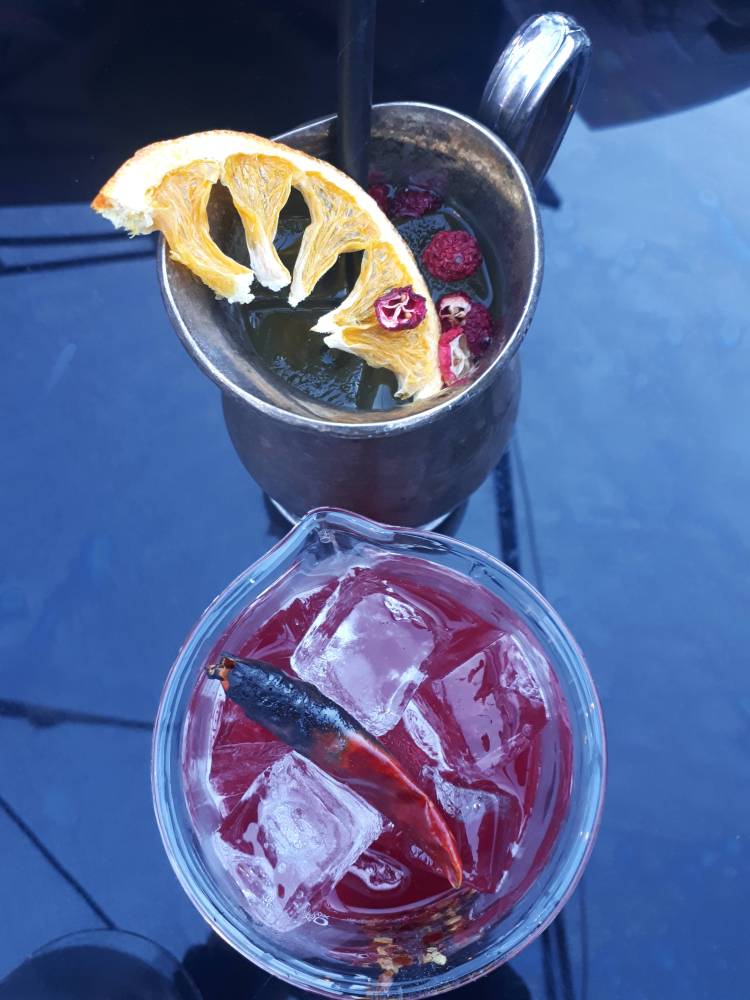
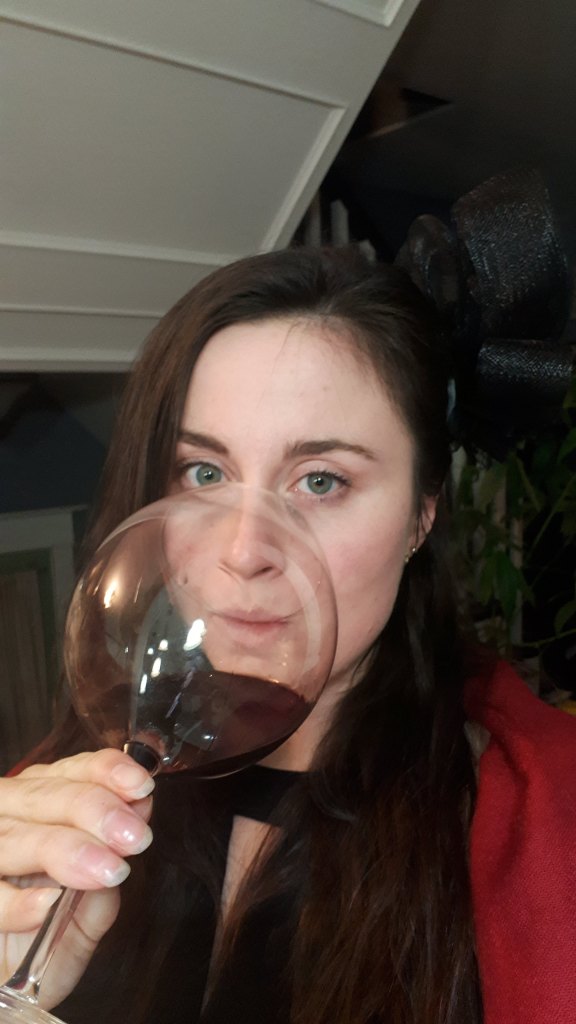
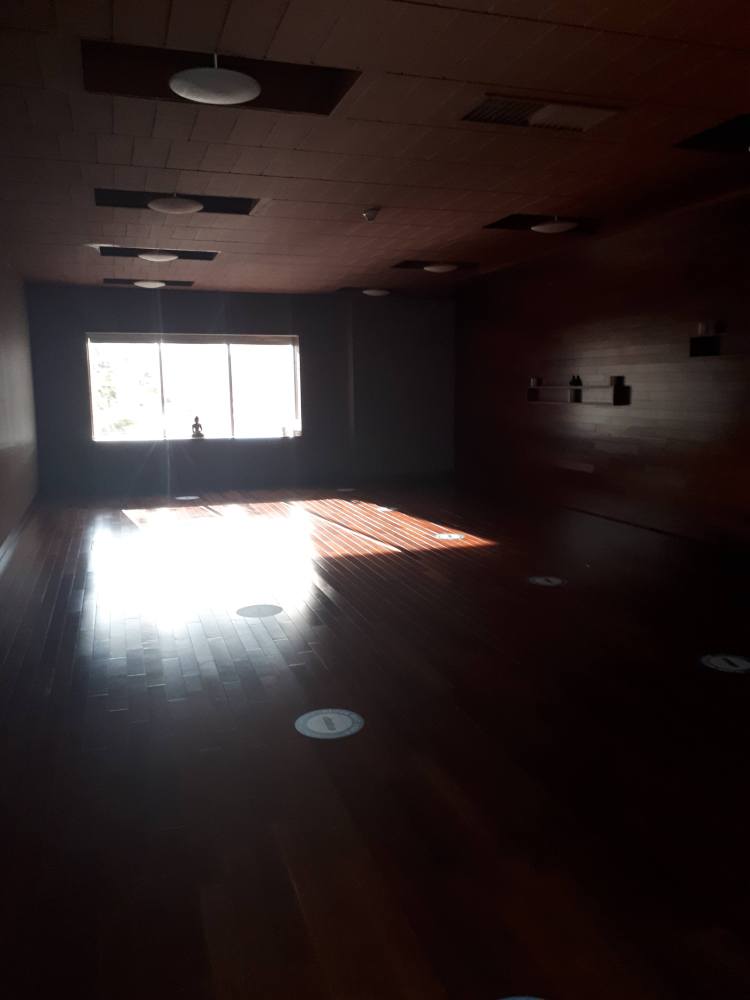
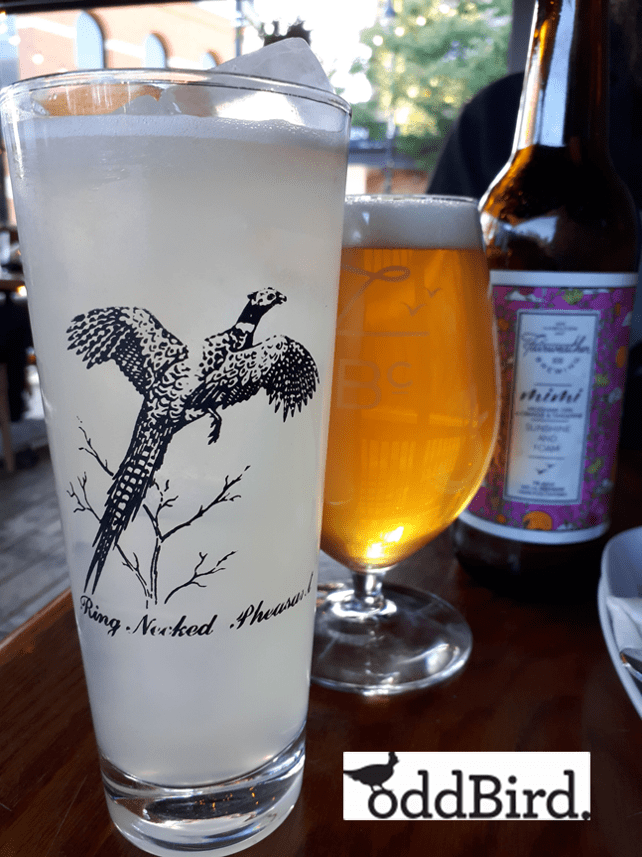


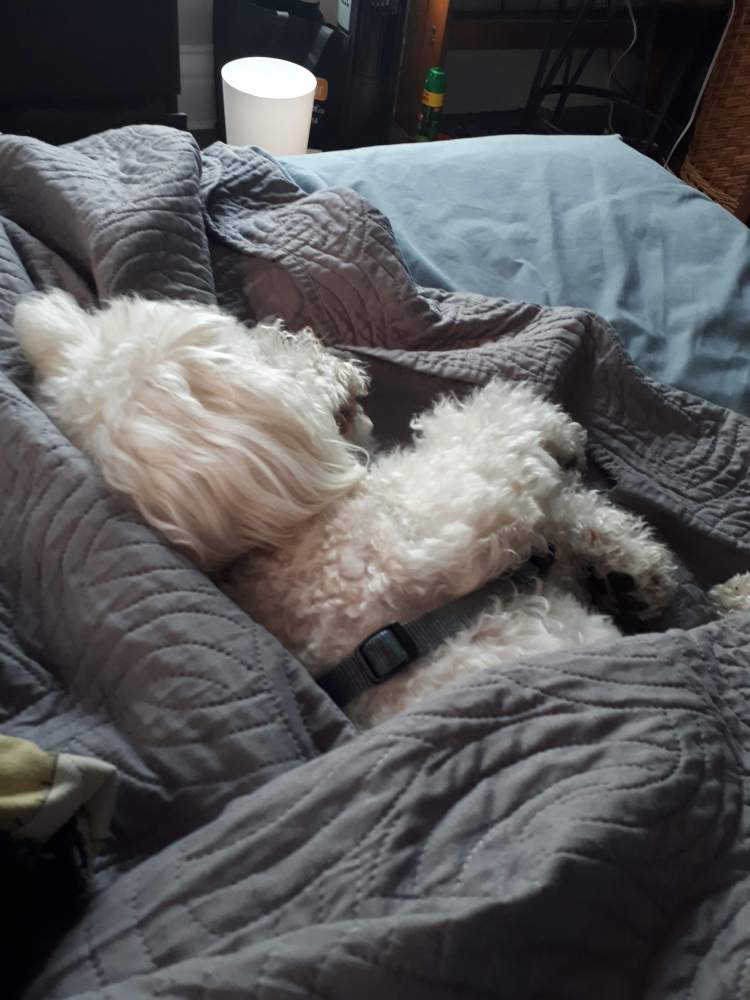

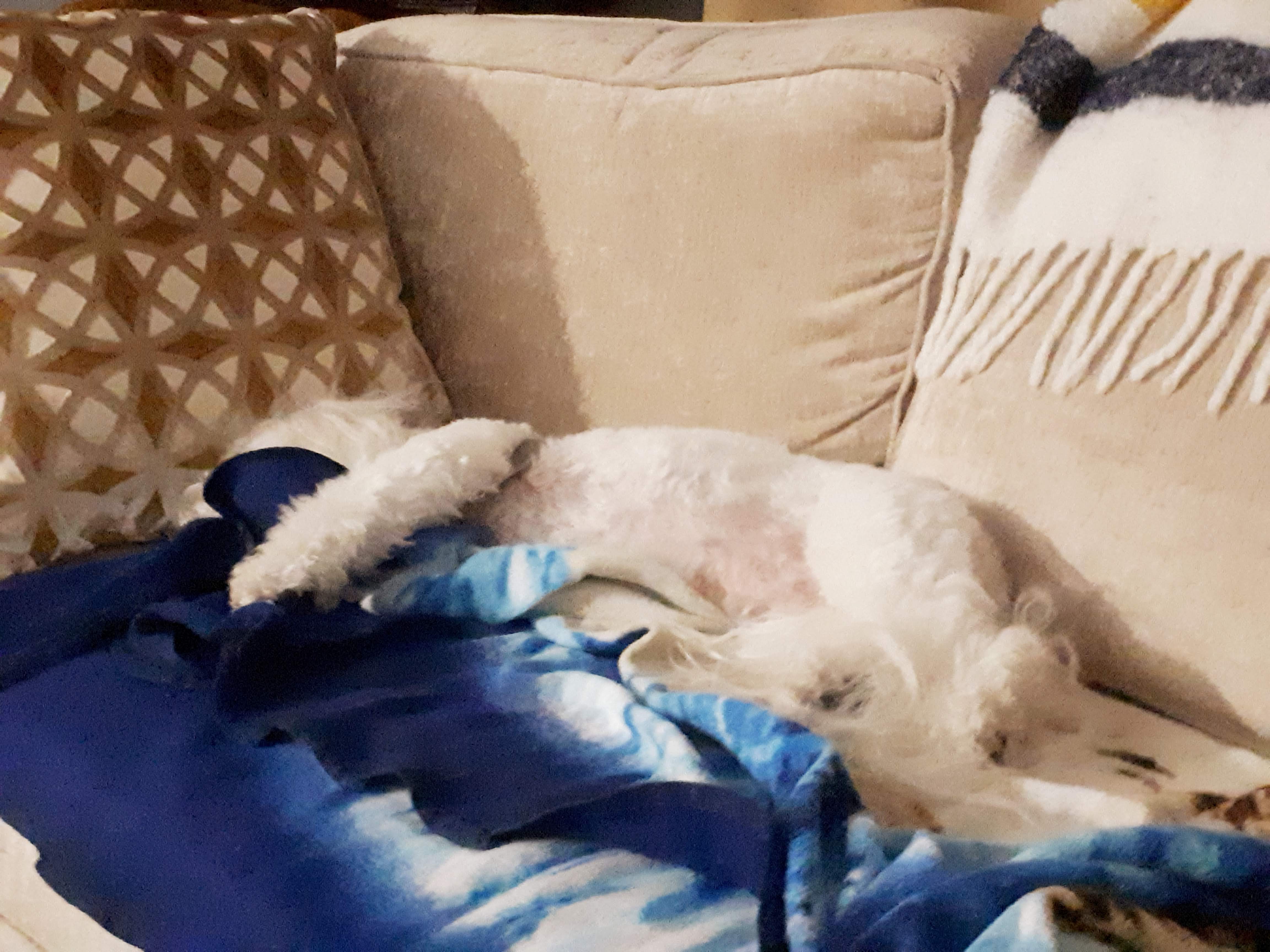
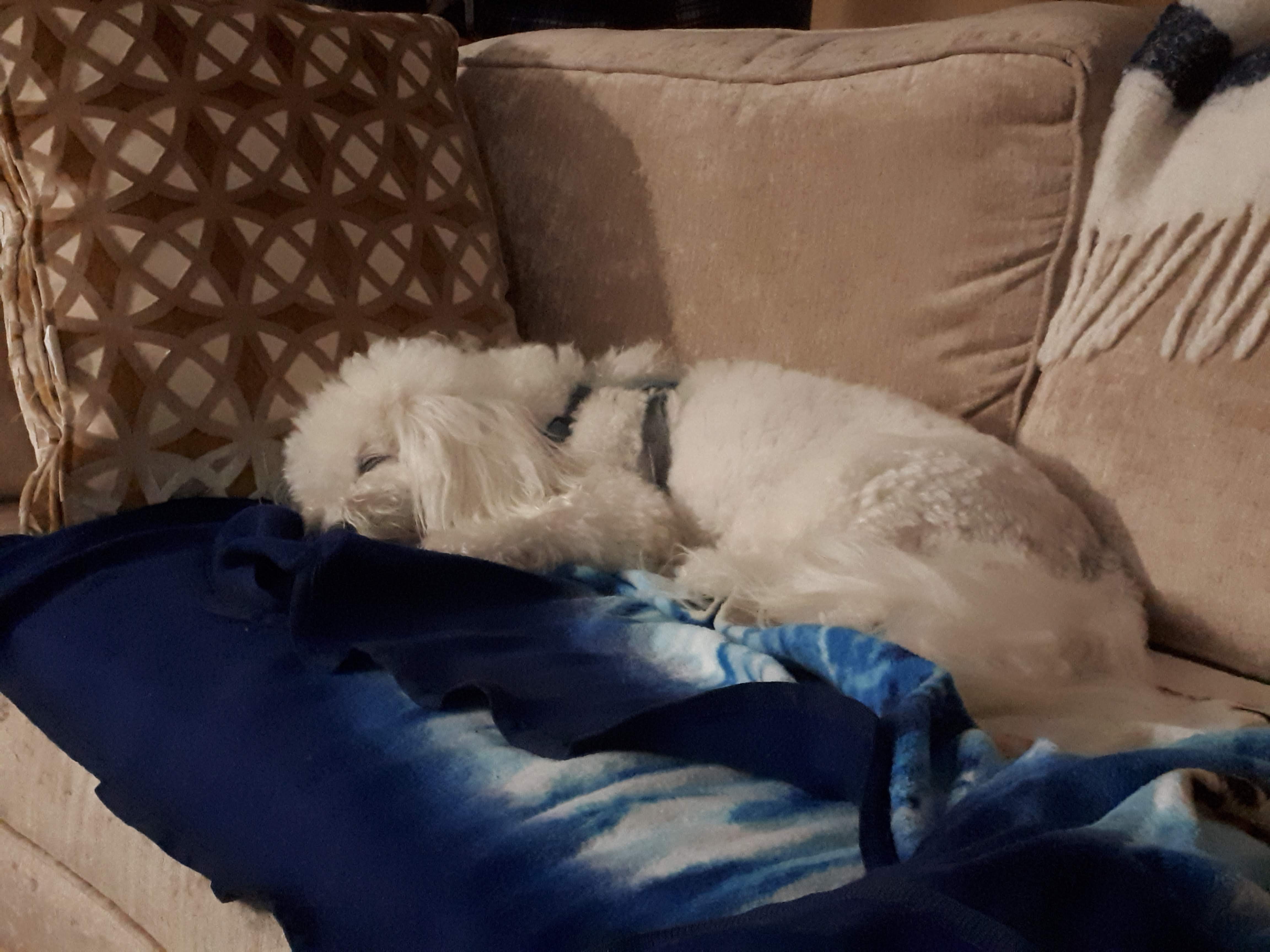
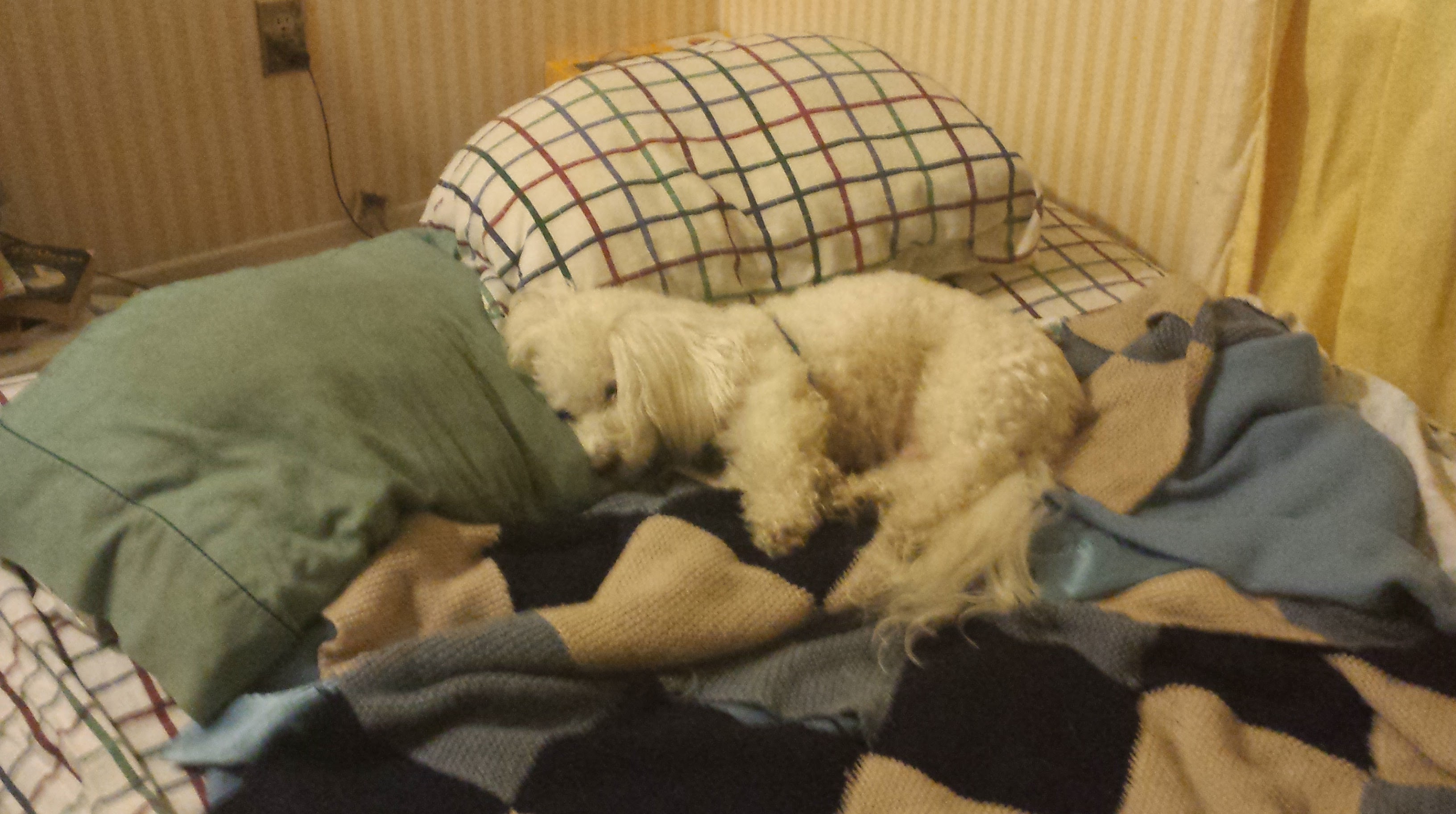


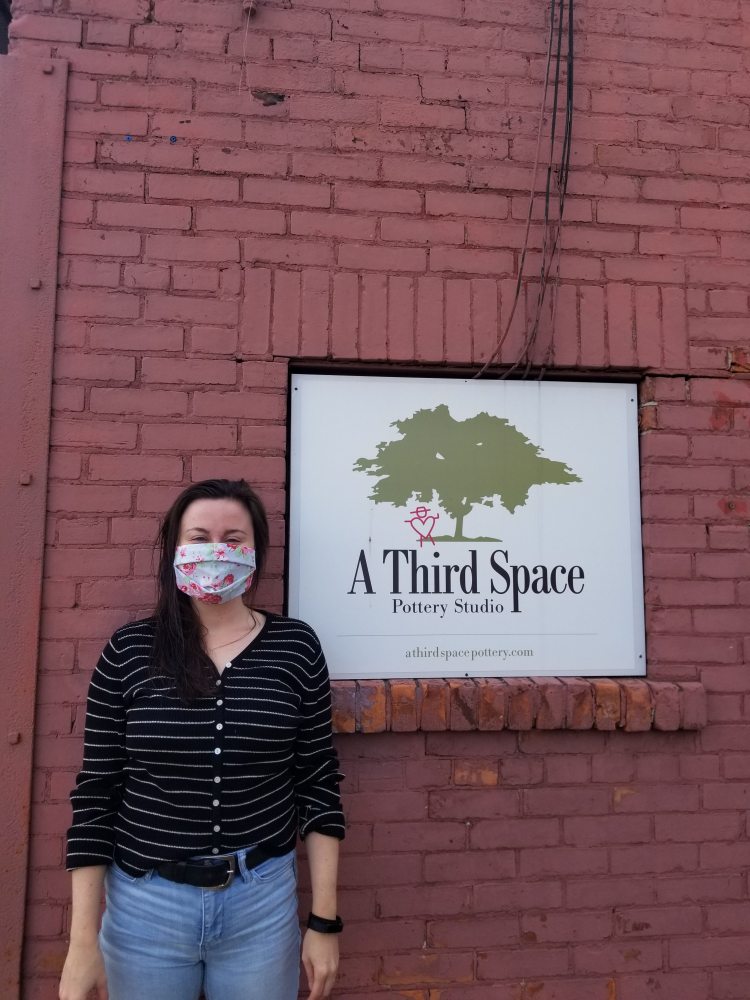
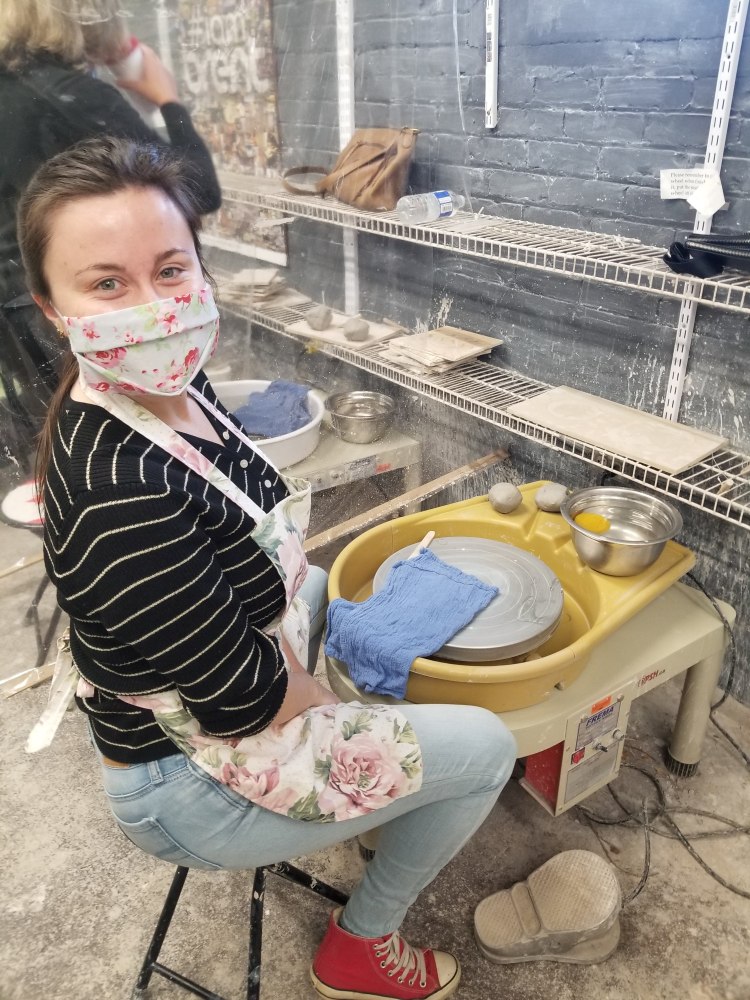
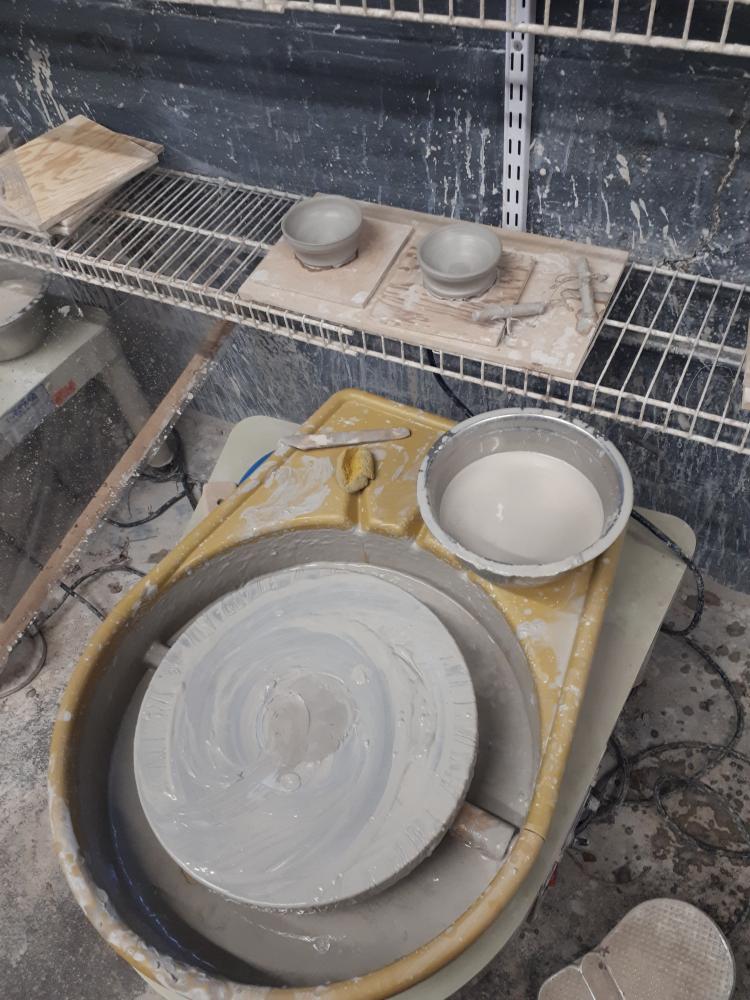
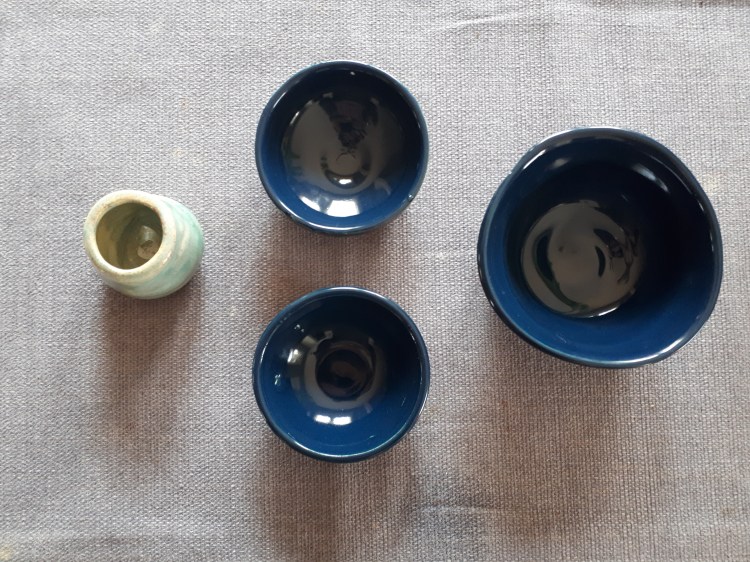
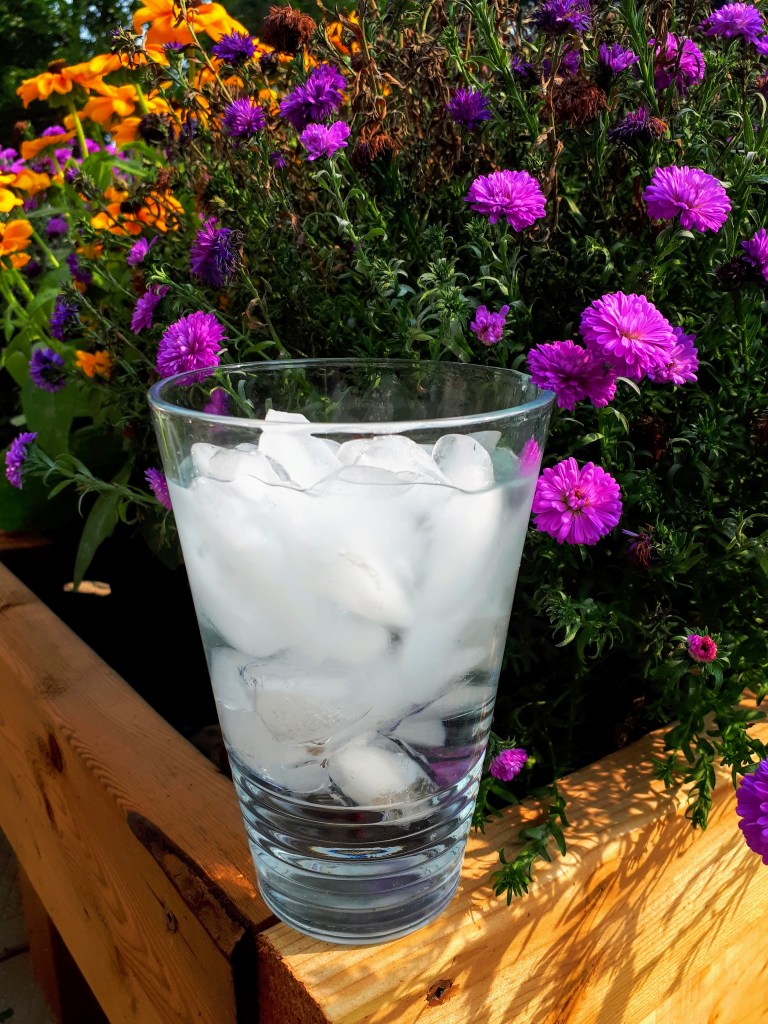
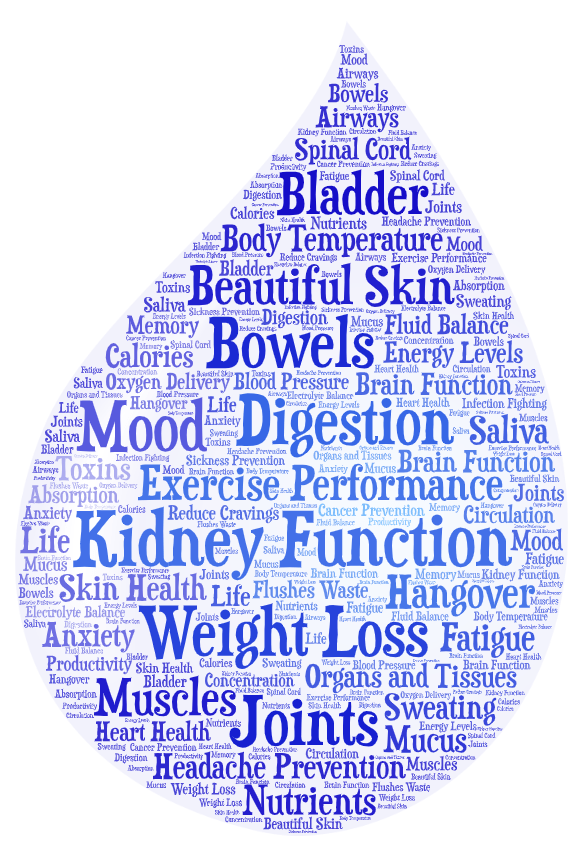
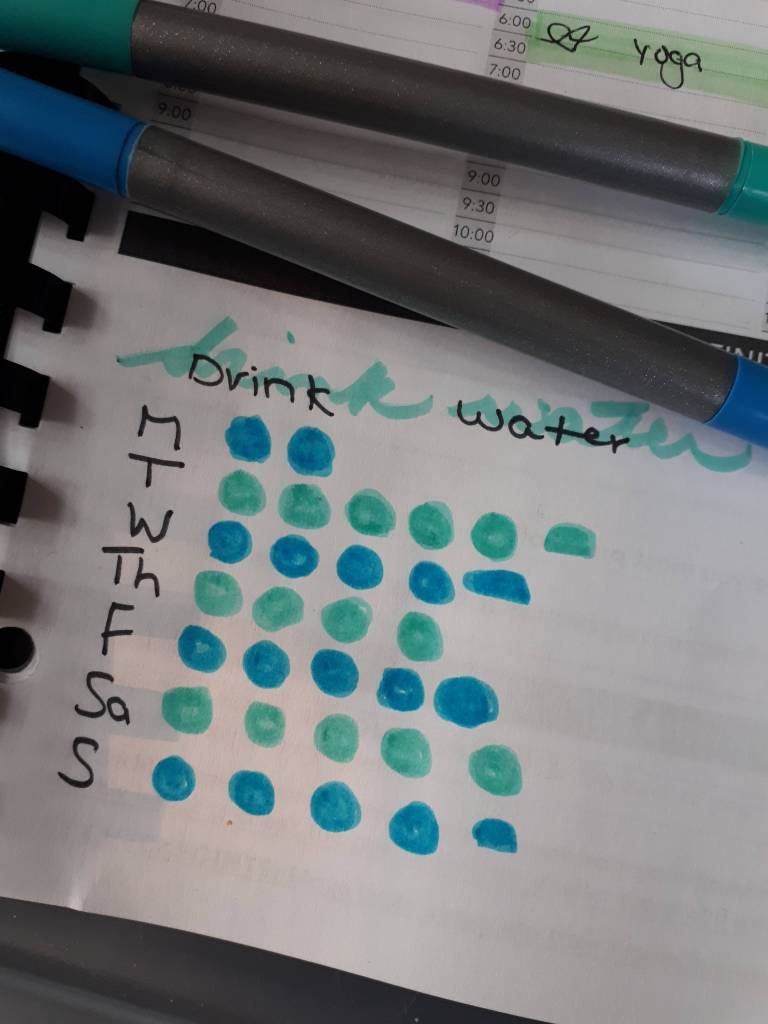
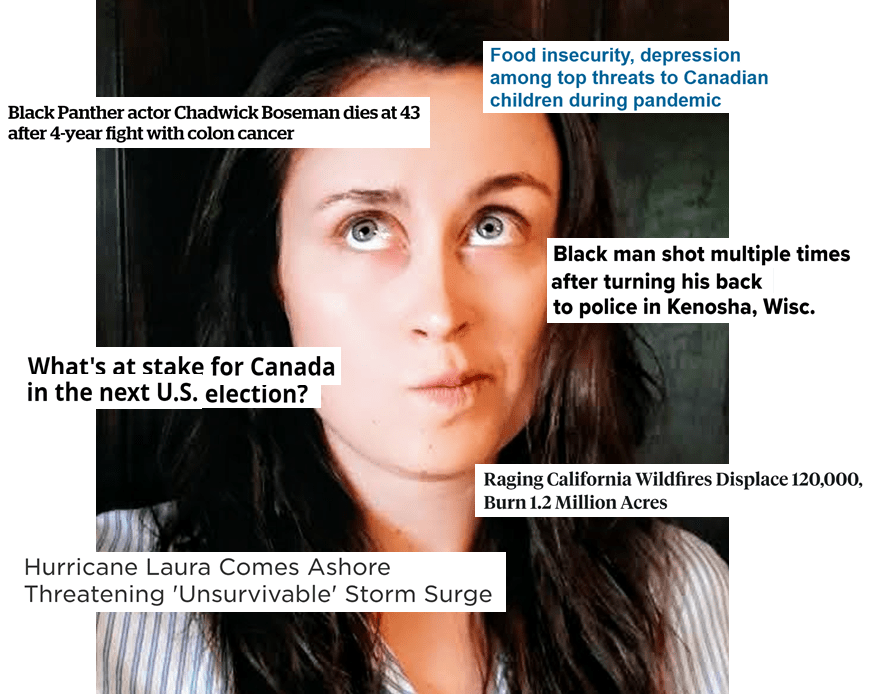
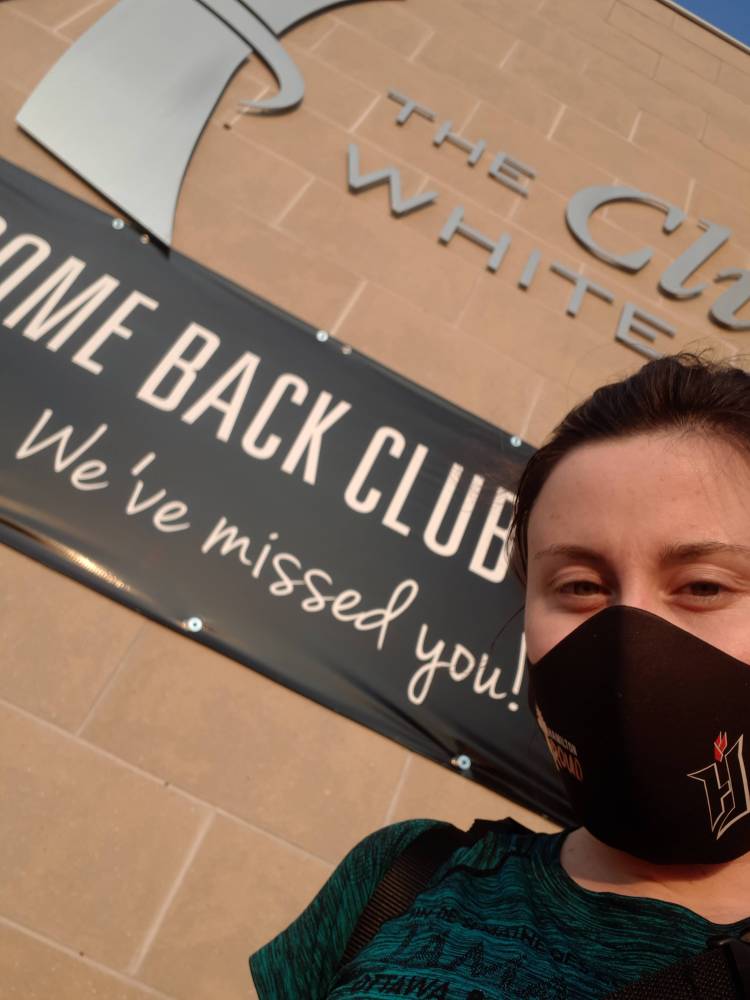
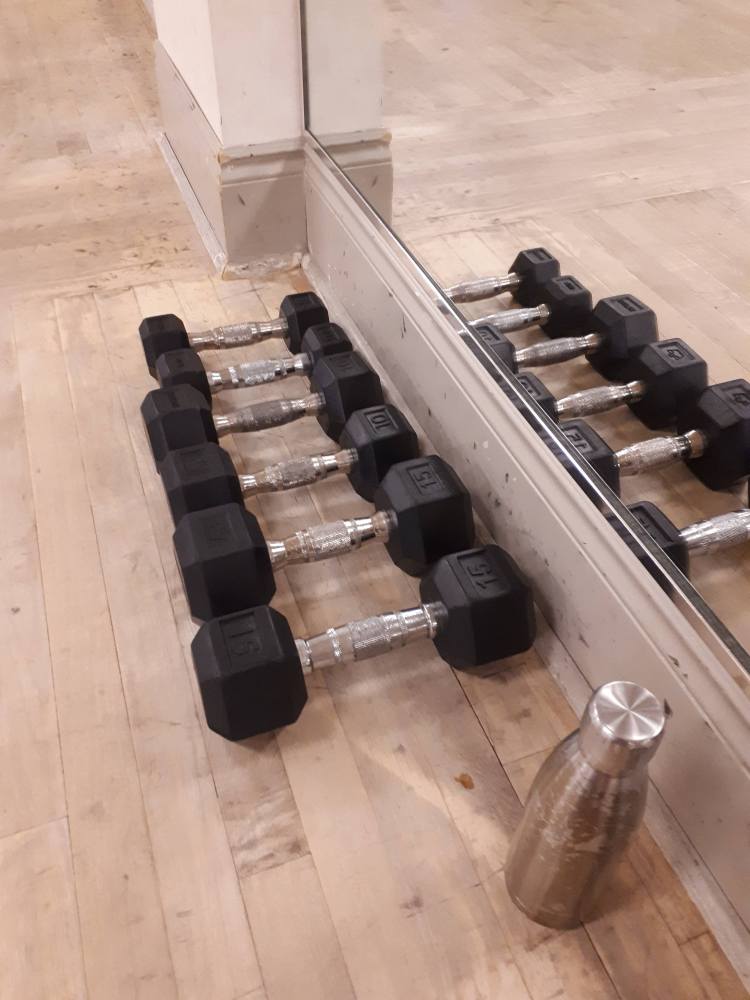
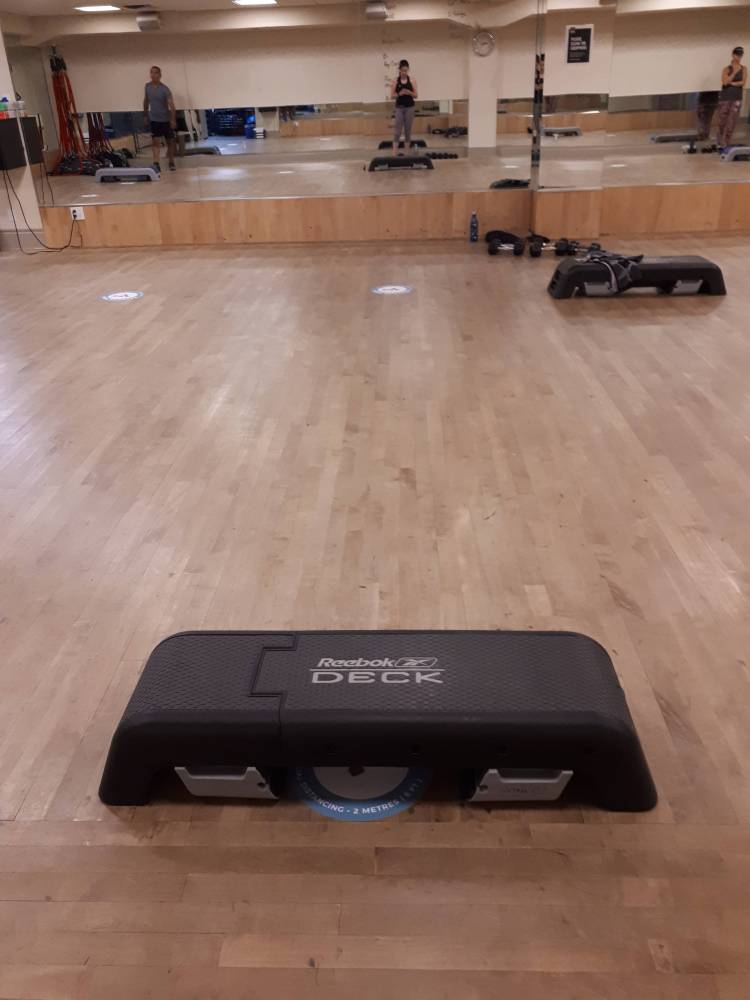
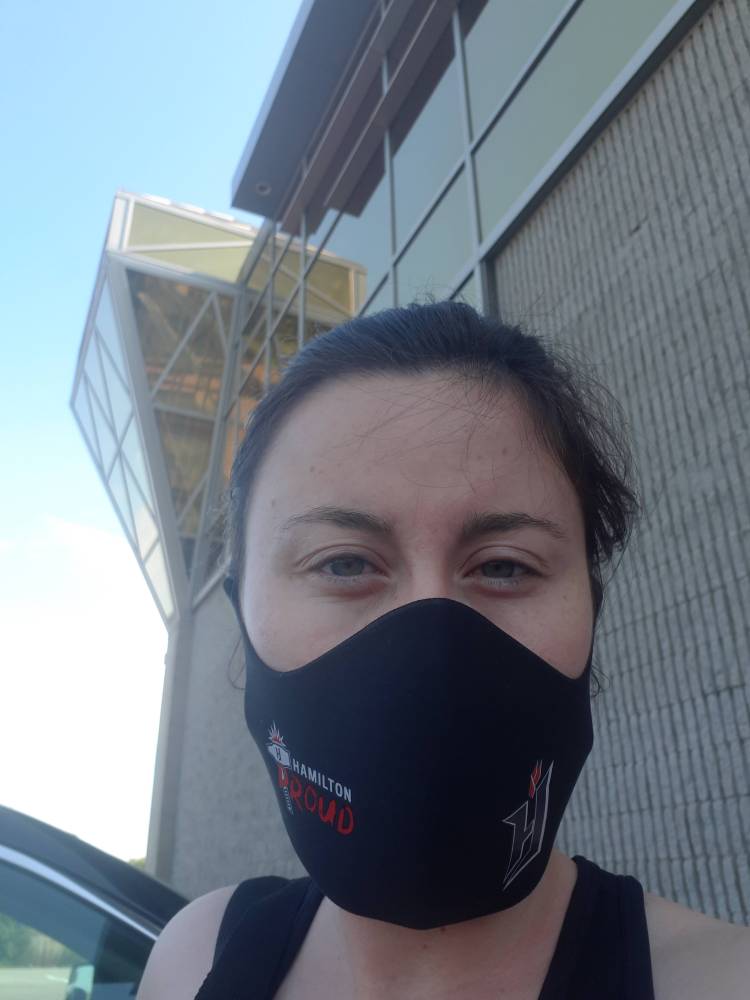
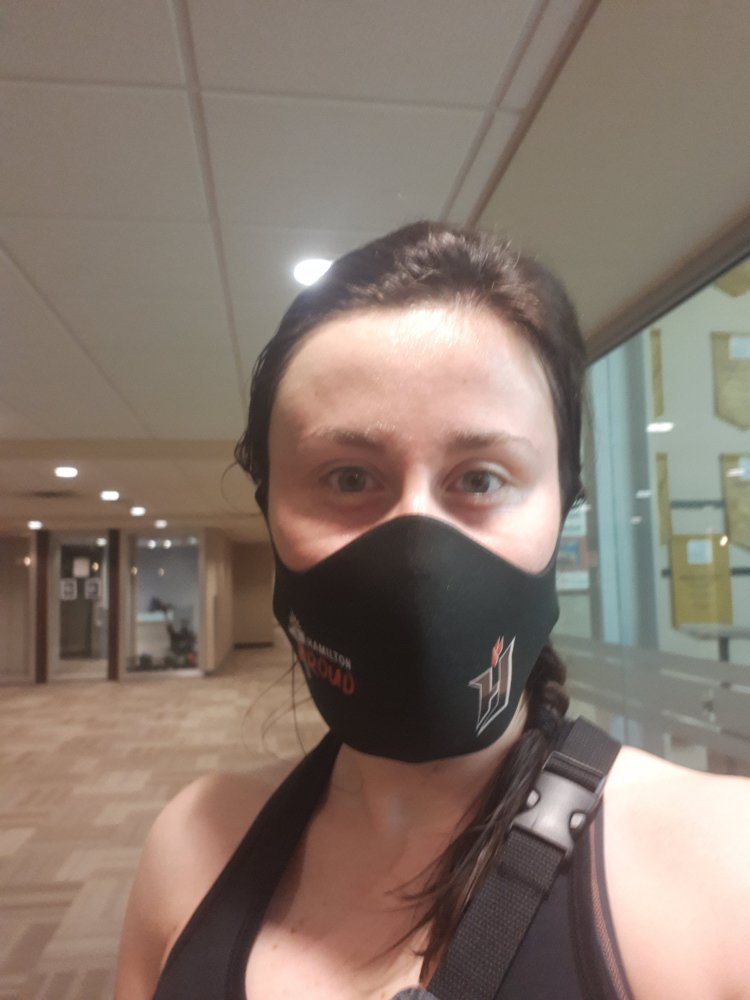

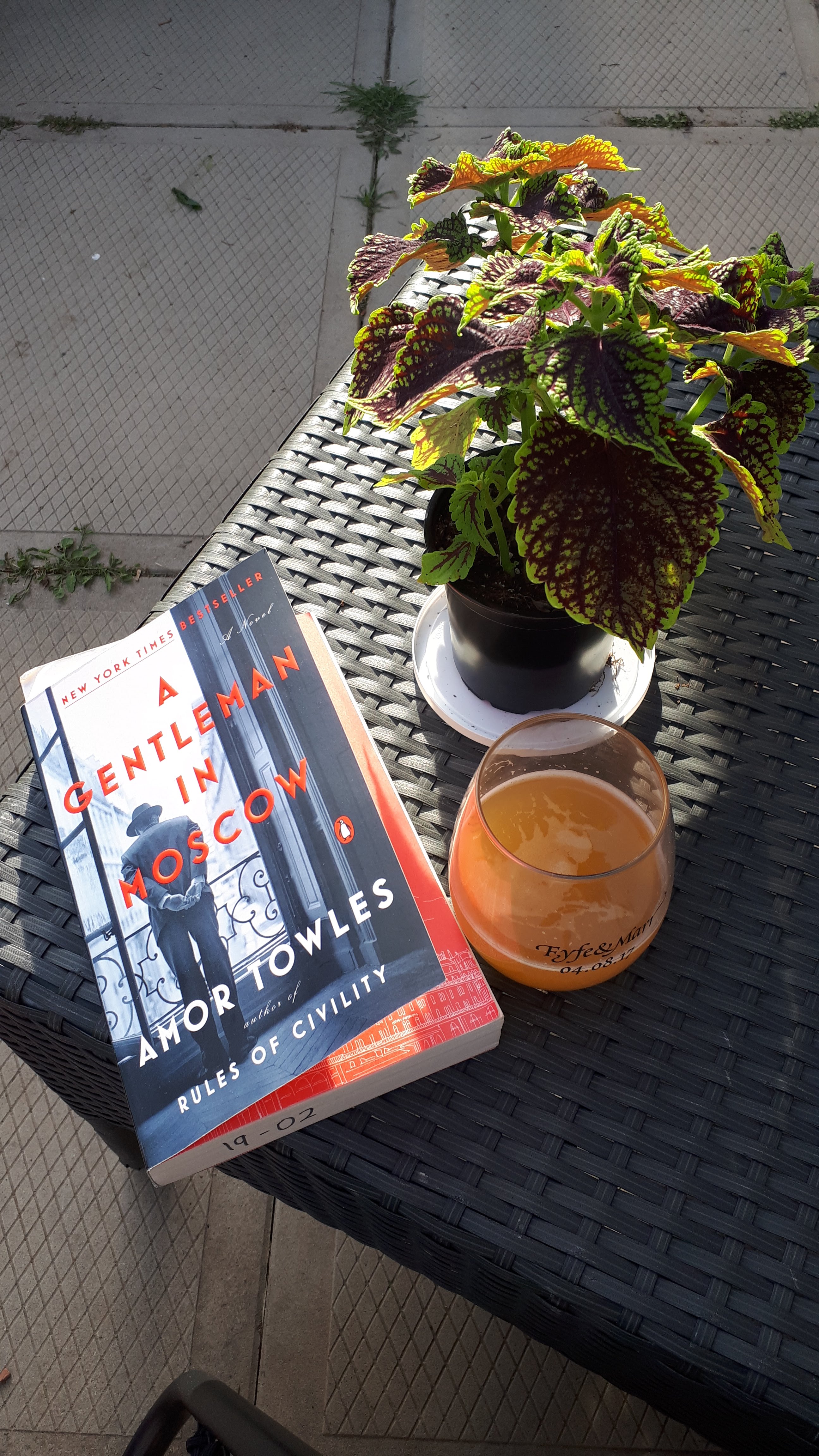


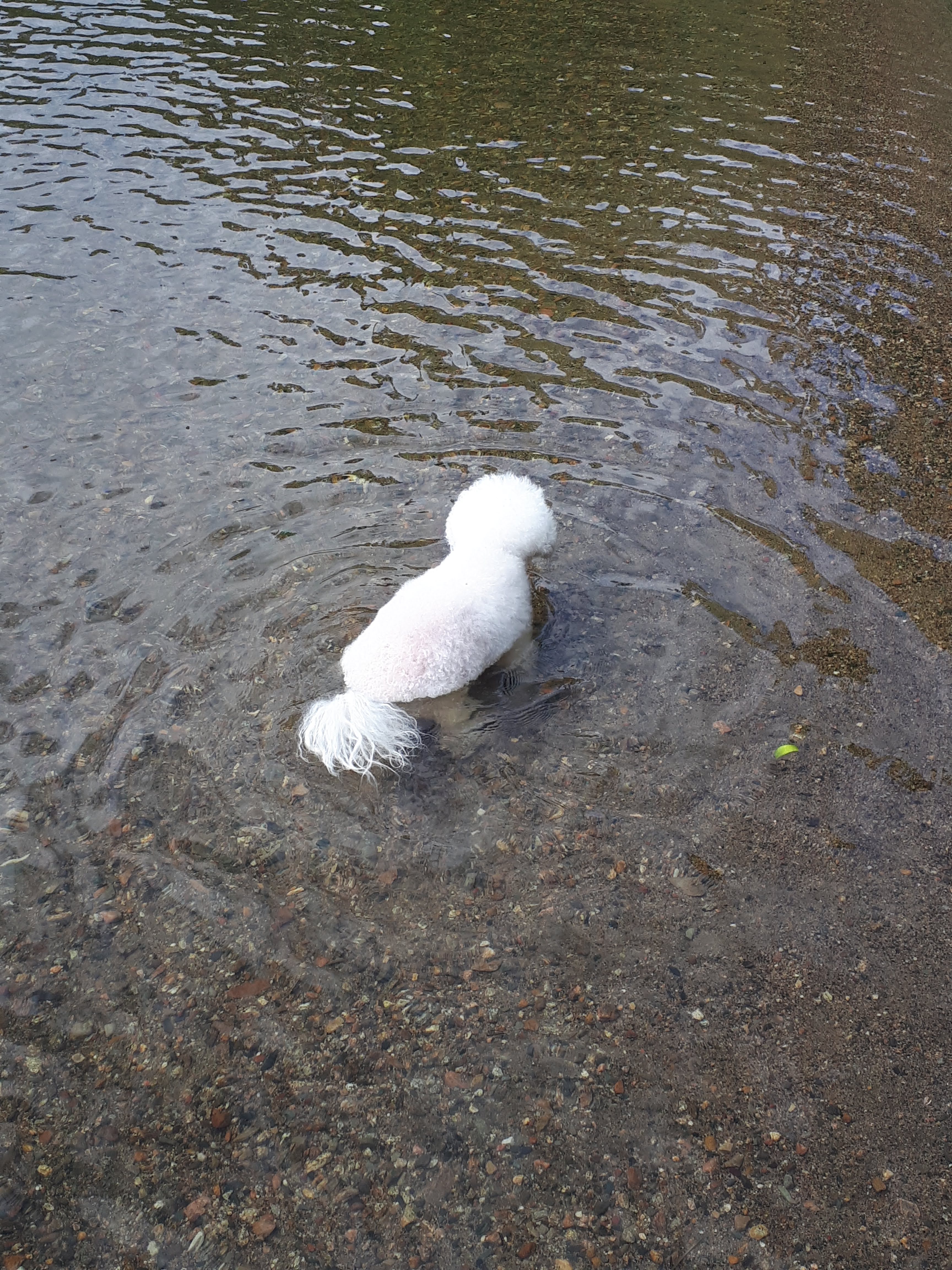

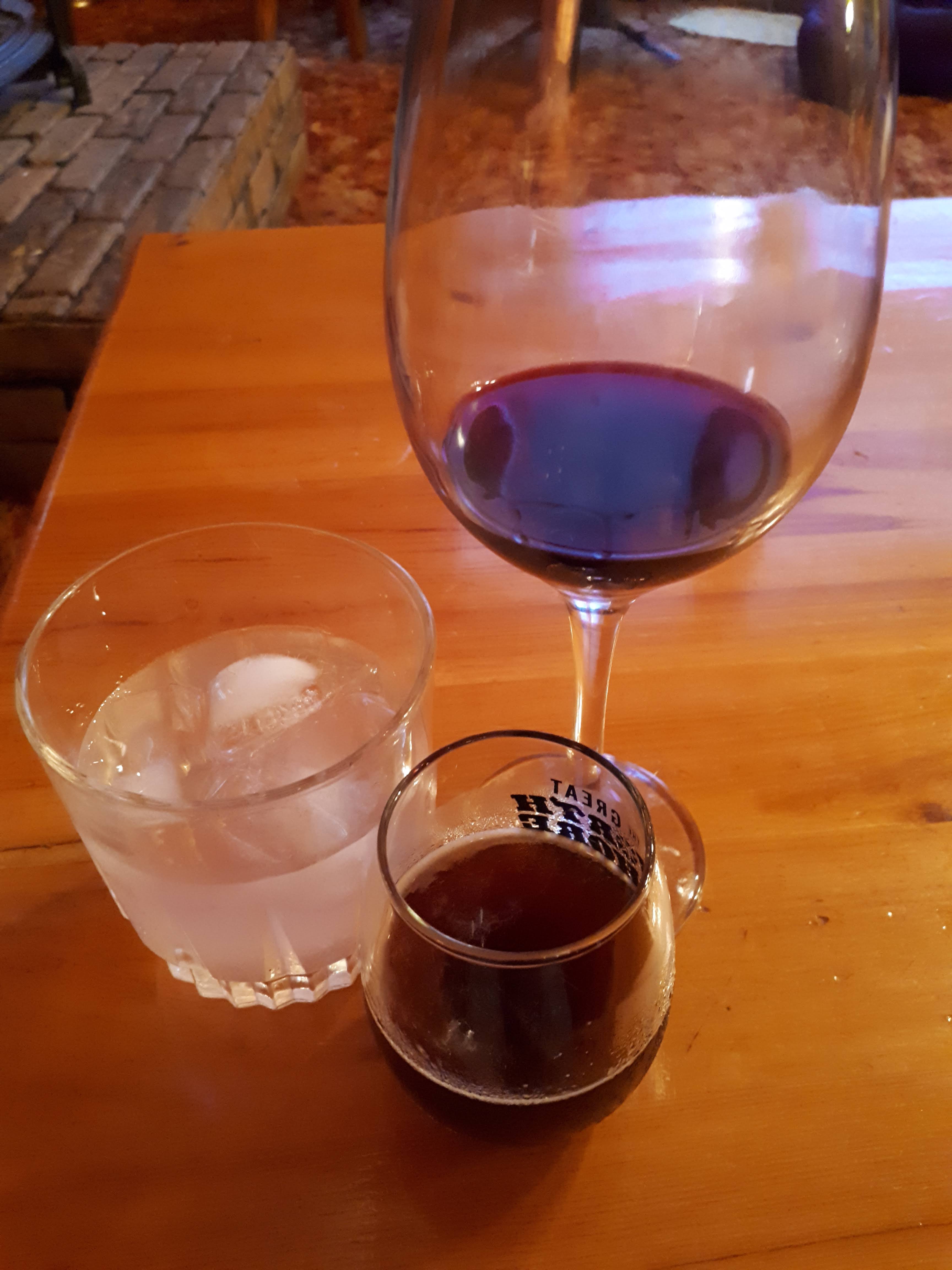

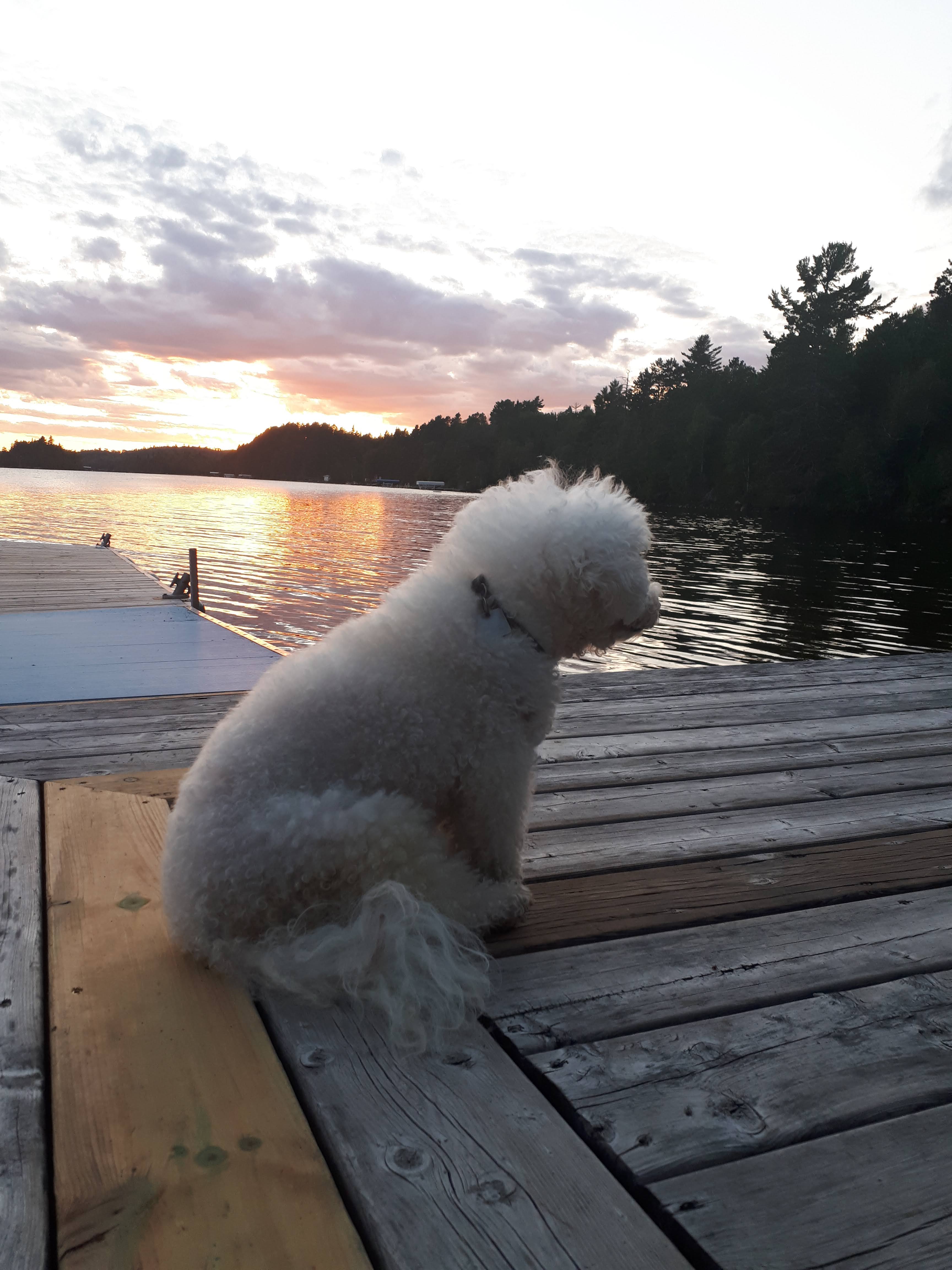

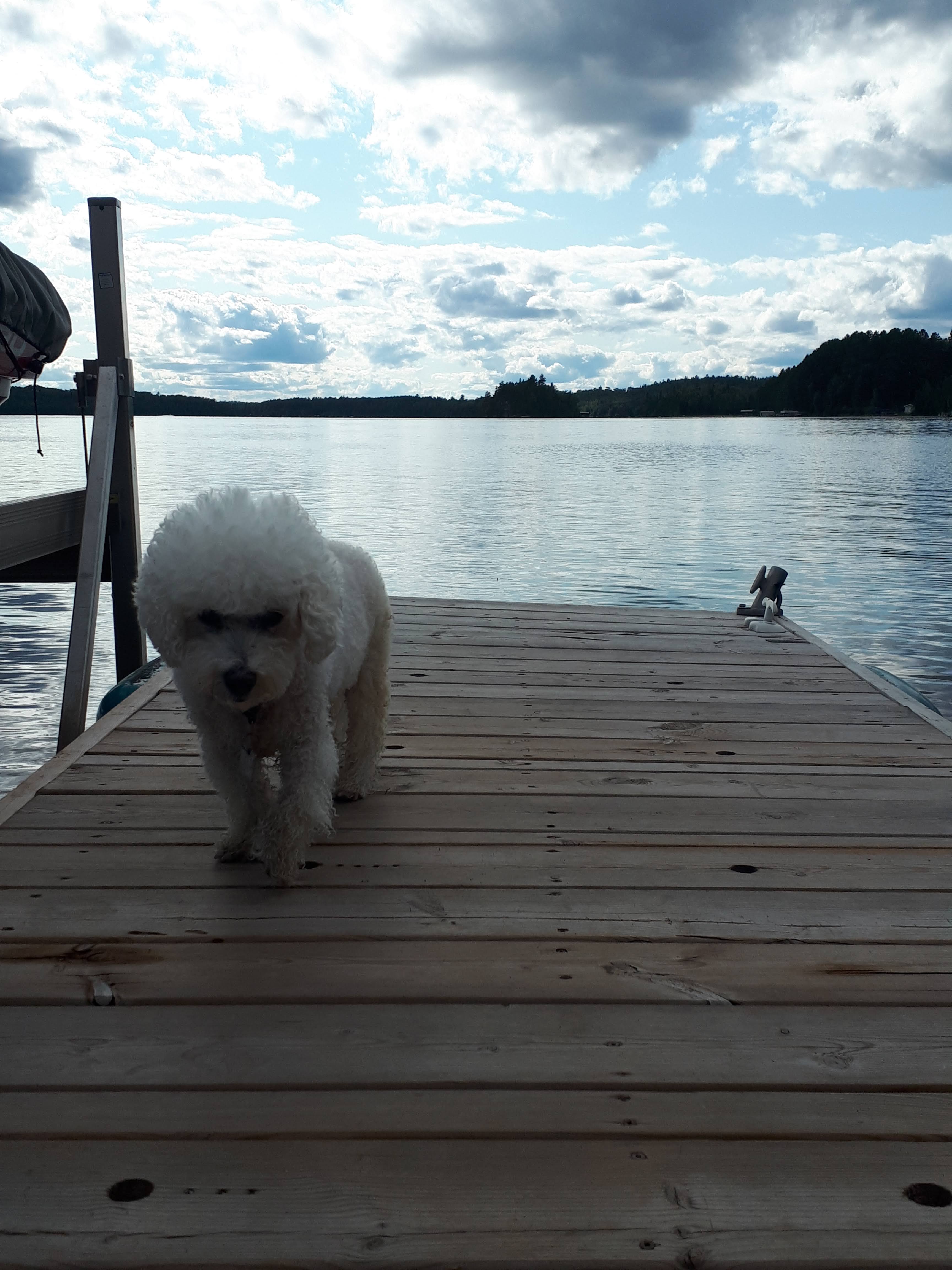
 How to Be Happy