If you are in a bad mood go for a walk. If you are still in a bad mood go for another walk.
— Hippocrates
This is a preamble I wish I didn’t have to write. In fact, the circumstances we currently find ourselves in – shelter in place, physical distancing, quarantine, whatever it looks like for you – are almost beyond belief to me. It is April 2020 and we are in the midst of a global pandemic. The internet tells us to mitigate boredom by cleaning our houses, learning a new skill, or forming new habits. This is easier said than done, and easier for some than for others. I am healthy, I remain employed (at home), I own a home with multiple rooms and work spaces, and I am still able to move safely around my community. Because of the privileged position I find myself in, I am able to continue my “How to be Happy” project virtually uninhibited. Yes, attempting to adjust to the new normal is mentally and emotionally taxing. I’ve also spent this time reflecting on how lucky I am to be able to focus not only on “getting by” but also how I can increase my own happiness, or Happiness.
While Week Seventeen takes place in the year 2020, the following story has nothing whatsoever to do with COVID-19. Here I acknowledge the privilege that allows me to take a momentary break from reality.
Gym Class Hero
When I was growing up I never thought of myself as “active” for one reason: I hated gym class.
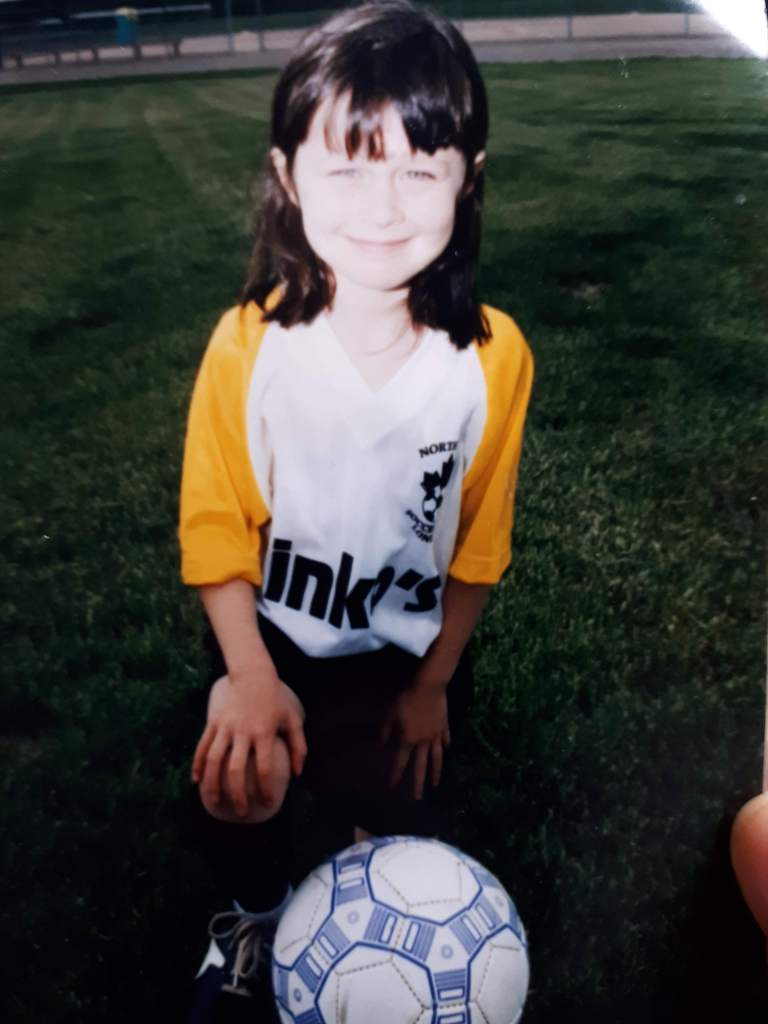
Okay, maybe “hate” is a little strong, but my fondest memories had less to do with team sports and the beep test and more to do with “parachute” days and those weird wheeled squares we sometimes scooted around on. I come from a British-ish family, so naturally I played house-league soccer (poorly) in the summers, followed the World Cup, and watched Tottenham move up and down (and up and down) the premiership table. I was completely hopeless with every other sport. I put this to the test in grad school when I joined an intramural volleyball team. My serve was so unreliable that half the time I would fail to clear the net, and the other half of the time the ball would just make it, resulting in a killer, un-returnable drop shot. I guess it was a good enough gamble because I wasn’t kicked off the team…
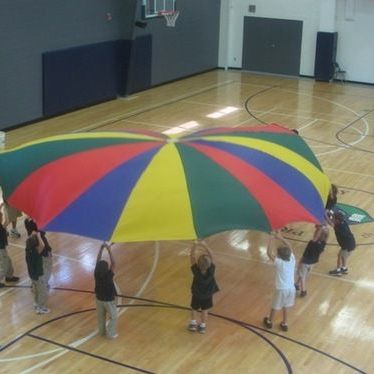

I don’t know specifically what was so awful about “physical education” in school (violent and competitive boys, sadistic gym teachers, ill-fitting uniforms, puberty, bitchy girls, and body shaming), but whatever it was inadvertently programmed me to run the other way (pun intended) at the first whiff of a “team sport”. Gym was something I told myself I didn’t like so I completed the minimum requirements and moved on.
Looking back on that time with a broader understanding of “physical activity” I discovered that I was actually pretty athletic, if not in a traditional sense. I was hopeless at basketball, volleyball, baseball, and most of track and field, but I went to an arts school where we had to take two different dance classes multiple times each week, in addition to PhysEd. I also spent about a decade in musical theatre. Singing and dancing at the same time is a surprisingly good workout! As an adult, I felt slightly vindicated when I learned that many NFL players use yoga and ballet as strength, flexibility, and coordination training.
Freshman Fifteen
I revisited exercise for the sake of exercise when I started university. In an effort to add variety into my steady schedule of class, studying, and two part-time jobs, I started going to the university gym. The last time I was in a gymnasium not during a school dance or assembly was in Grade 9. When I walked into the gym four years later, I realized that I had no idea what I was doing. Something, however, convinced me to stick with it and I ended up signing up for kick-boxing classes. I had never done anything remotely like it before; this was real kick-boxing with hand wraps, pads, and gloves. Within a couple of sessions I was actually sparring with an opponent and learning how to use my hands for the first time since the ill-fated summer when I played goalie for my soccer team.
That first semester of kick-boxing taught me something new, got me involved on campus, introduced me to new people, and made me feel amazing. I wasn’t objectively talented but I didn’t care. I felt strong, I felt powerful, and I felt like a bad-ass. From that moment on, I made activity a priority. I walked across campus instead of taking the shuttle, I took the stairs and not the elevator to the top floor of the library. I went to the gym and forced myself to learn how to run on a treadmill, and I tried group classes like Pilates and Yoga. For an entire semester I gave up my bus pass and walked everywhere. It felt amazing. Until one day it didn’t.
Chronic Pain
I’m not exactly sure when it started, but over the course of my undergraduate I began experiencing extended bouts of lower back pain, often accompanied by strange and painful nerve activity in my left leg. Following the advice of a friend, I visited the chiropractor on campus. Over time I ended up visiting two or three different chiropractors and eventually my GP to talk about the pain, but I never got a straight answer. The closest I came was, “book more appointments” and “pain is normal”, respectively. Then one day when I was sitting at the desk at my part-time job, I noticed that my leg was starting to go numb. I tried standing up and shaking it out but the bones in my lower spine all of a sudden felt like they were made of hot cement. I started to panic and, near the end of my shift, I called my father. I didn’t think I could manage the bus ride home and he thought I should go to the hospital.
That night was the first time I heard the term “chronic pain” used to describe what I was feeling. I sat on the edge of a bed in the ER and answered the doctor’s questions. I told her about the only relevant incident I could think of. In Grade 9 I had a skiing accident that, while not as bad as it could have been, resulted in a trip to the hospital, a battery of tests, some muscular damage, and special permission to use the school elevator for several weeks. The doctor looked at me and said “unfortunately that is chronic pain and you have two options: take pills or do yoga”. Then it hit me: I kept seeing doctors because I thought that one would find something that the others did not. If I found the right doctor and got the right diagnosis, they could fix me and the pain would go away. Sitting in the ER late that night next to my worried father I realized that this was something that I would live with for the rest of my life. The doctor had given me two choices: take painkillers in increasing dosages until they stopped working, or take back control over my body.
The decision from then on was easy. I would manage my pain by stretching and strengthening my body. That year I moved to a new town for graduate school and began incorporating daily activity into my life. I took yoga classes at lunch, I went to the gym at the end of the day, and I took long walks through the beautiful trails of Peterborough. I was in the best mental and physical shape of my life.
In 2015, I moved to Niagara after finishing my degree. After a few weeks I found myself a job at a call centre, then as a researcher at a non-for-profit. Out of necessity my routine changed. I had a gym membership but I was only going once or twice a week. I didn’t have the flexibility to take classes during the day and social pressure confined most of us to our desks for the better part of our eight hour days. This was my first post-university job and I focused more on navigating a challenging workplace than on staying active. I had let things slide for about a year when everything came to a head in late 2016. Six months before our wedding my now-husband and I were sitting in our car at a red light when all of a sudden we were hit from behind by a pick-up truck. In an instant, all the work I had put into managing my pain completely evaporated.
The car accident forced me to find time for things I had been ignoring. I visited every specialist imaginable; accident insurance covered physio and massage therapy and when that expired, I found myself a chiropractor and an osteopath. I was slowly starting to feel better with each visit, but I was growing tired of every new professional telling me that they would be the one to fix my pain. My consultation with Dr. Scott started much the same way. He told me that he didn’t want to establish a treatment plan until he knew more about what we were dealing with. He sent me for x-rays and told me to come back in a week. As I left his office that day I realized that in the decade since my skiing accident, no one had bothered to x-ray me.
When I went back to his office the next week, he pulled up my scan and started blithely talking about my scoliosis and spina bifida occulta. He must have seen the confusion in my eyes when he asked “you know you have mild scoliosis and spina bifida occulta, right?” I laughed casually and said no, that I didn’t know that, and he went on to explain that because it was twisted, the affected part of my lower (lumbar) spine made it difficult for my body to absorb and rebound from shock and injury. Things, for instance, like a skiing accident or being rear-ended. I honestly can’t recall too much of what he said after that, only that by the time I got back to my car and called my husband, I was in tears. I wasn’t upset by the diagnosis – if anything I was relieved. I was furious that in the past decade no one, not even my Family Doctor, ever thought to actually look at my back. I felt let down by a system that I had trusted implicitly. If they say that nothing is wrong, I must be making it up.
I’m Grateful for my Scoliosis
I now had two new labels to think about: chronic pain caused by scoliosis. Despite my historic wariness of team sports I am very competitive, especially with myself, so what I had here wasn’t a setback, it was a challenge. From that moment on, I renewed my commitment to physical activity. Being active made me happy; it reduced stress, it made me feel powerful, and it kept the pain at bay. I set out to make up for all the time I lost by being afraid of gym class. I joined a better gym with more equipment and a wider variety of classes and I started to run again for the first time in years. I tried new things, I pushed myself, and I loved it.
Week Seventeen
This week, my happiness task was to raise my activity level. While that may not be everyone’s cup of tea, I was excited to see how far I could push myself in seven days. I started by making a list of goals. This is how it went:
Goal One: Try an Online Workout Class

Since gyms have been closed for over a month, Instagram Live, among other platforms, has become a great place for mostly free fitness and workout videos. I discovered that the rec centre at the university I work at does several free classes each week, so I decided to give it a try. On Tuesday I did a HIIT workout (high intensity interval training) and at the end, panting and red in the face, I felt both victorious and completely out of shape. Later in the week I did a half-hour yoga class that, after 8 hours in my home office, felt amazing. I will definitely be doing those again!
Goal Two: Sign Up for a Free Trial
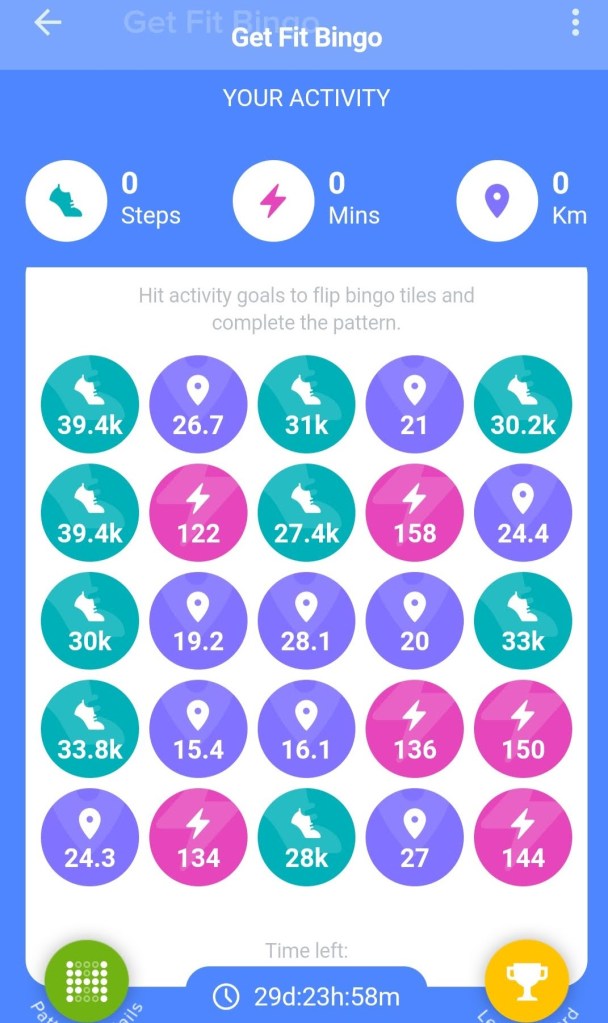
I have been an avid Fitbit user since 2013 and I was excited to learn that the company extended the typically 30-day free trial of their premium service to 90 days. I figured I could get a lot accomplished in three months, so my friend and I signed up right away. Without actively promoting the service (sadly I’m not being paid to say this) I will say that we are both excited by all the group challenges and “fitness paths” available. We started a Get Fit Bingo challenge and something called Push-Up Prep. We used the bingo board to motivate each other while watching videos to learn how to actually do some basic home workouts.
Goal Three: Run 50km
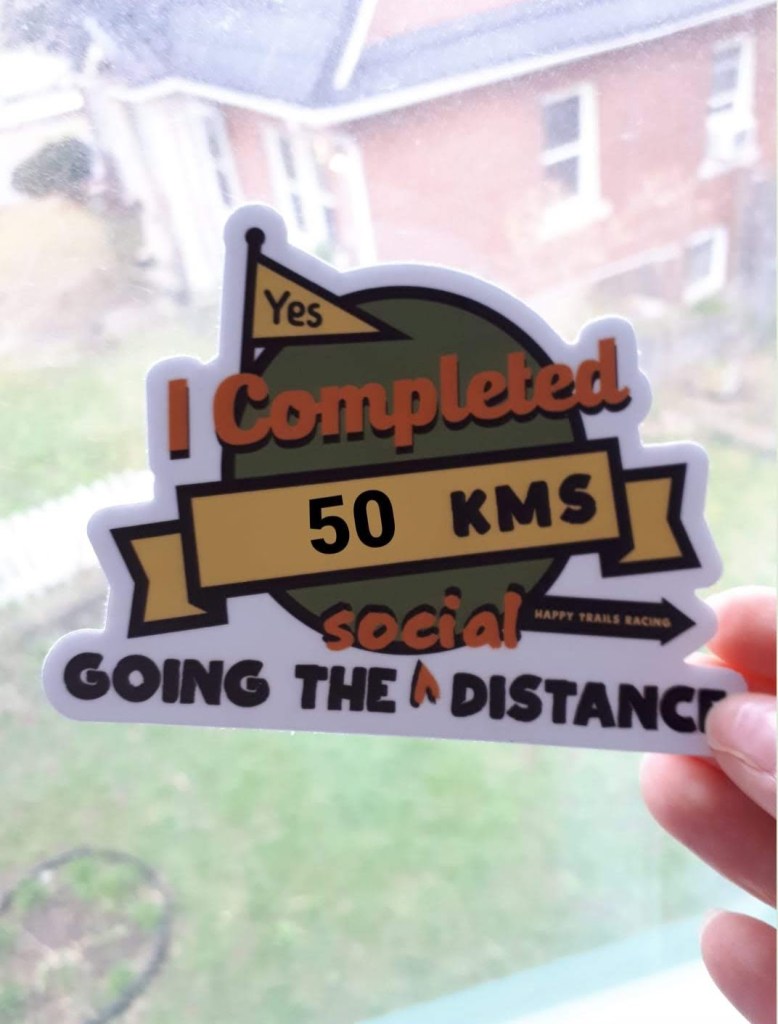
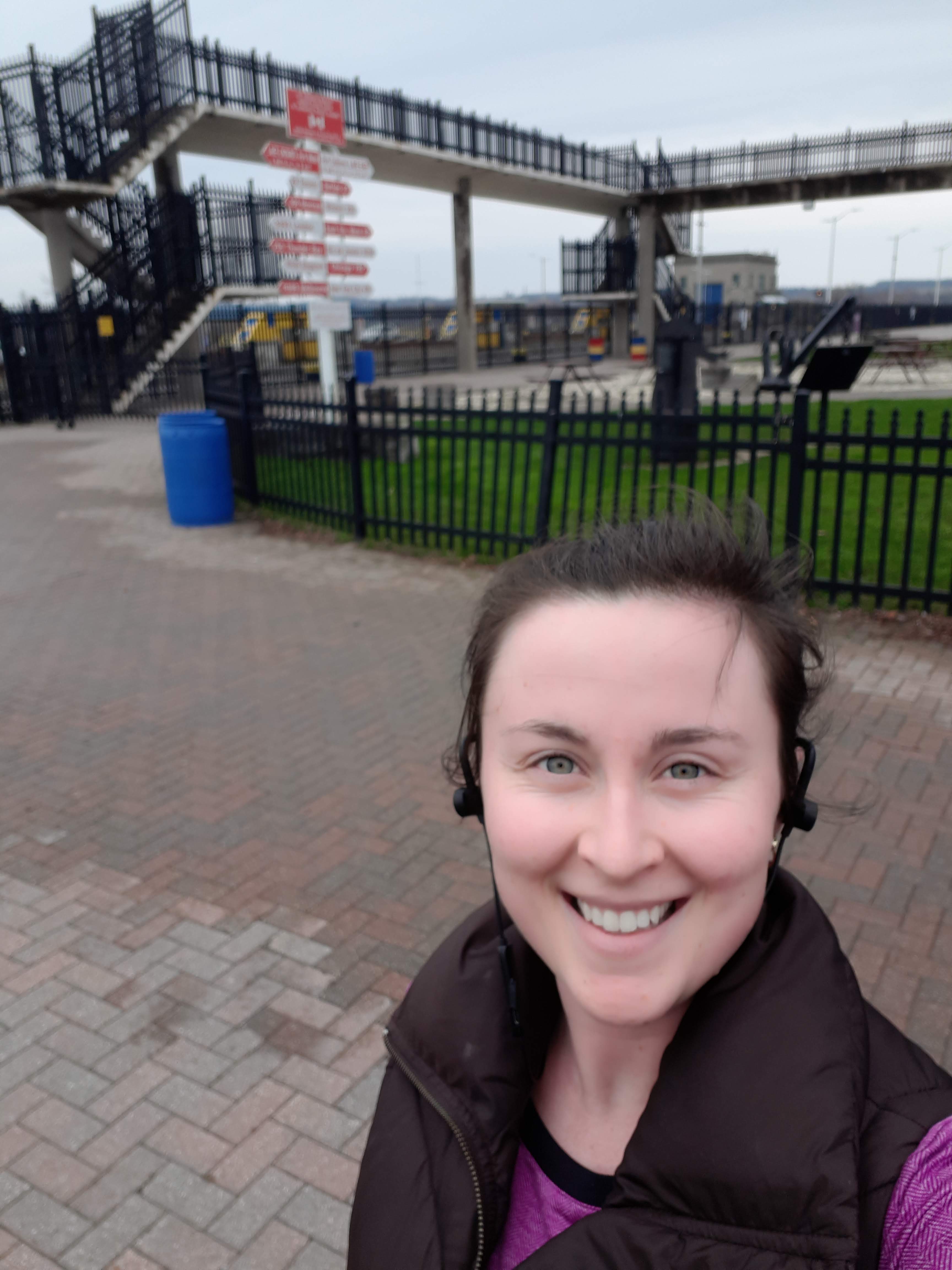
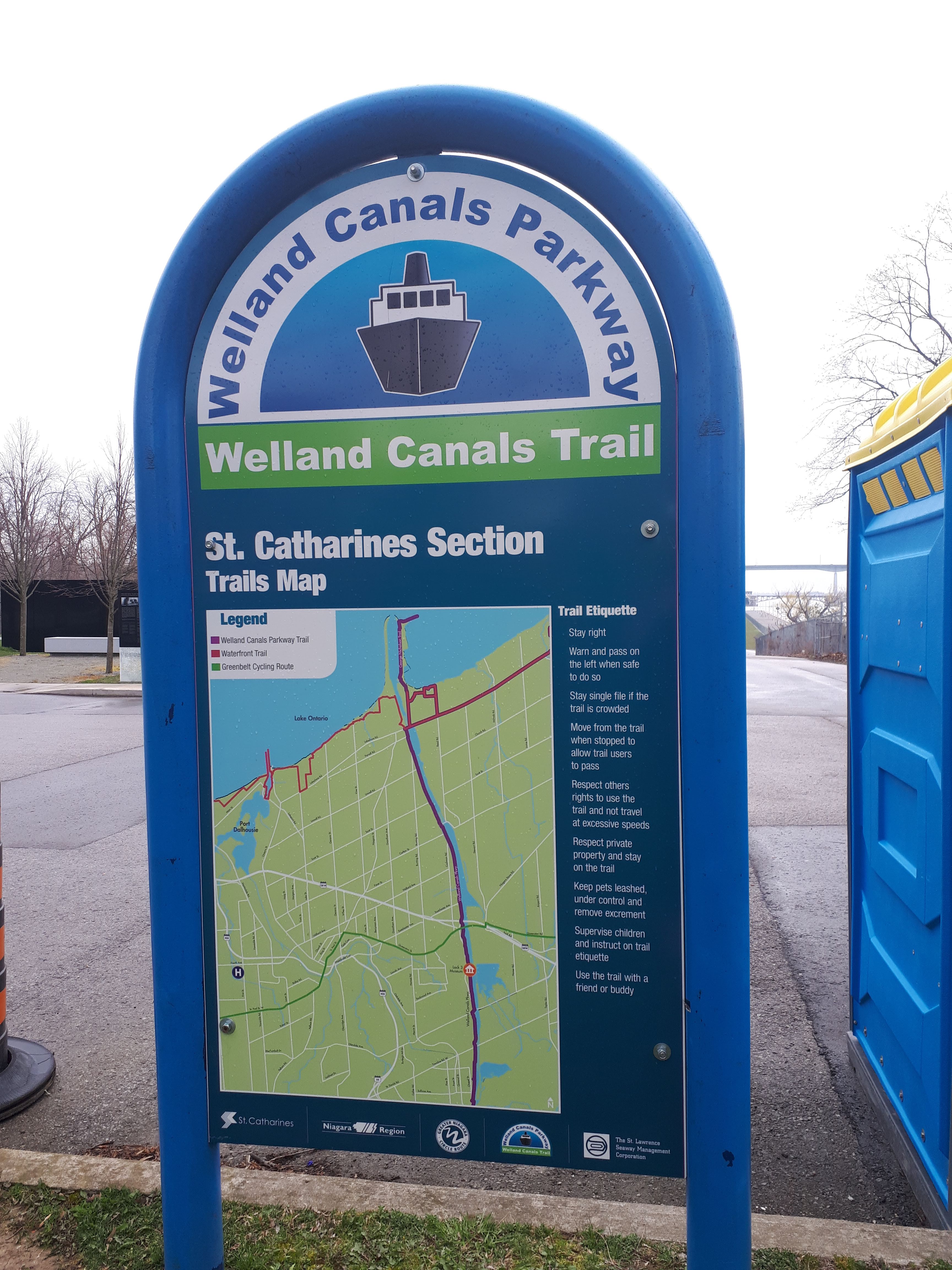
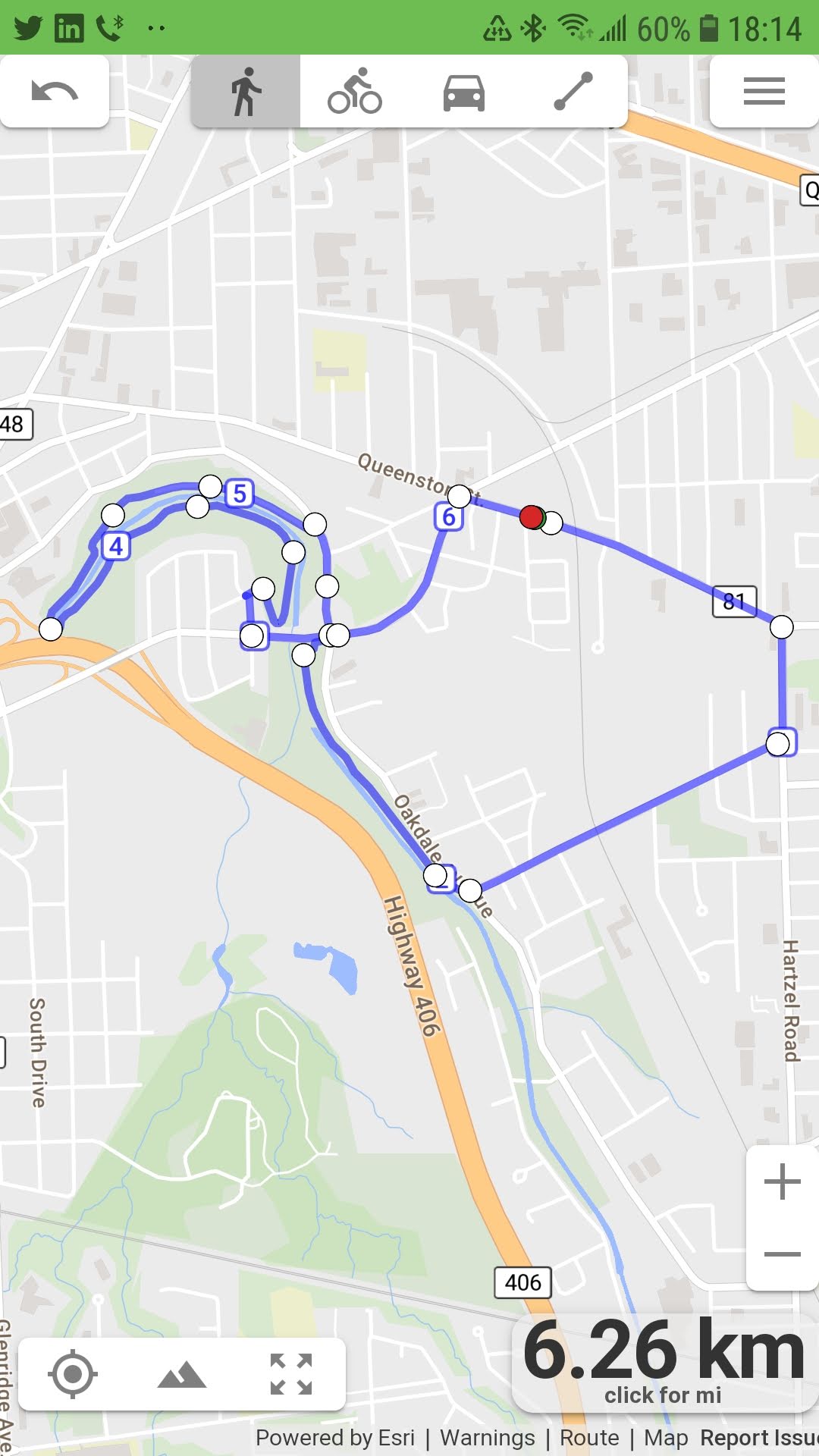
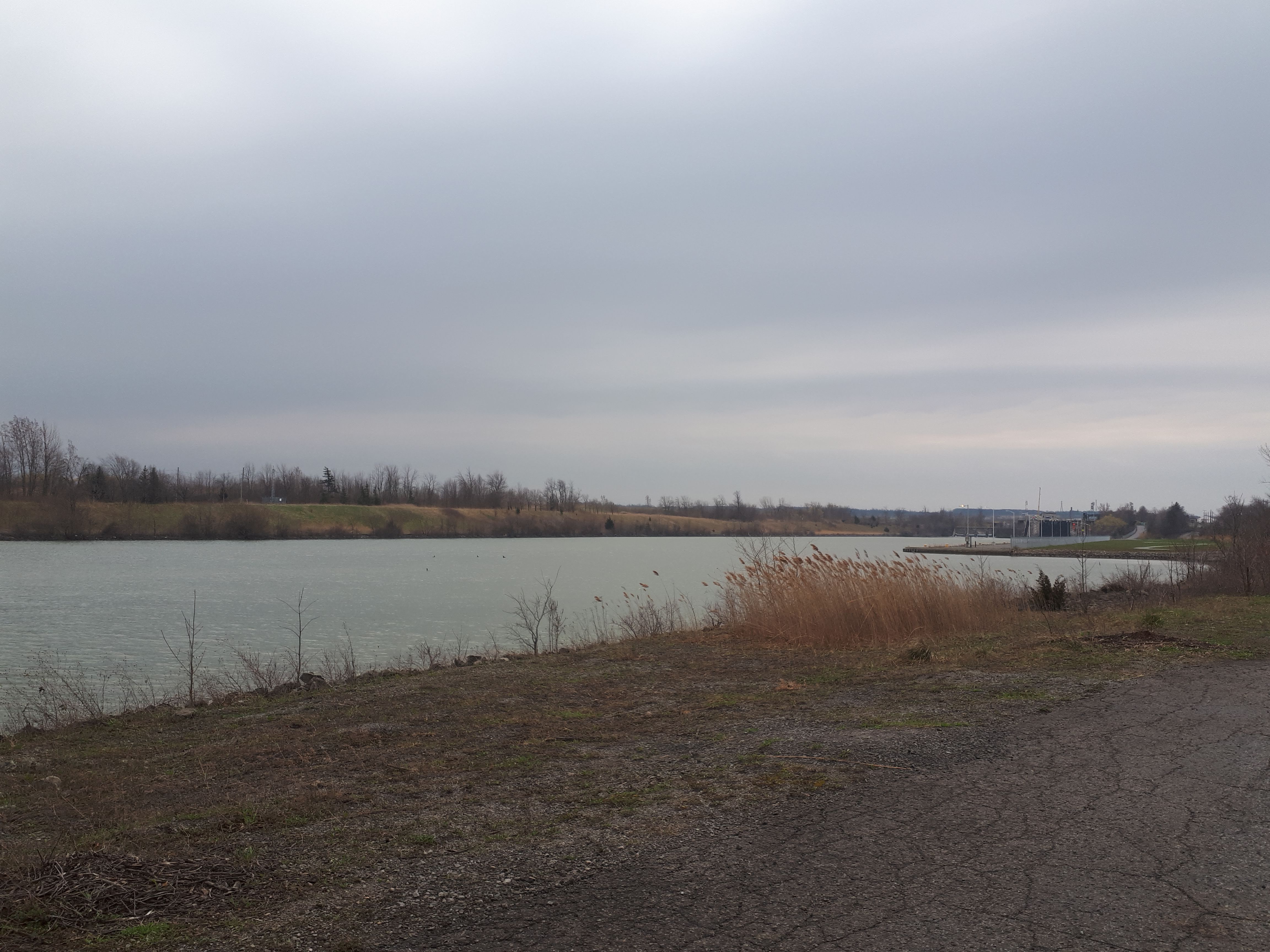
A running group called Happy Trails Racing started an online running challenge – Go the “Social” Distance – to help motivate runners who are understandably disappointed in the cancellation of all spring and summer races. I decided to start simple, so I set myself a goal of running 50 km by the end of April. This week I finished my goal! As an added bonus, for the last several runs I’ve had some company. My friend and I have started running together, over the phone, for three mornings each week. There’s nothing quite like an accountability buddy to get you out of bed at the crack of dawn!
Goal Four: Bike “To Work”
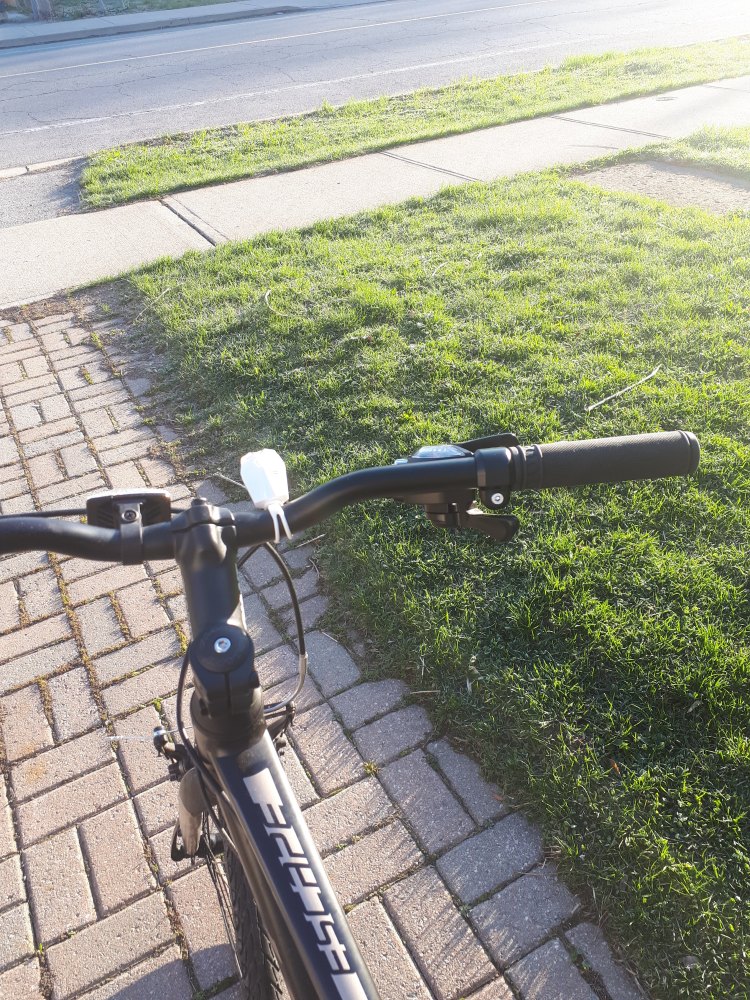
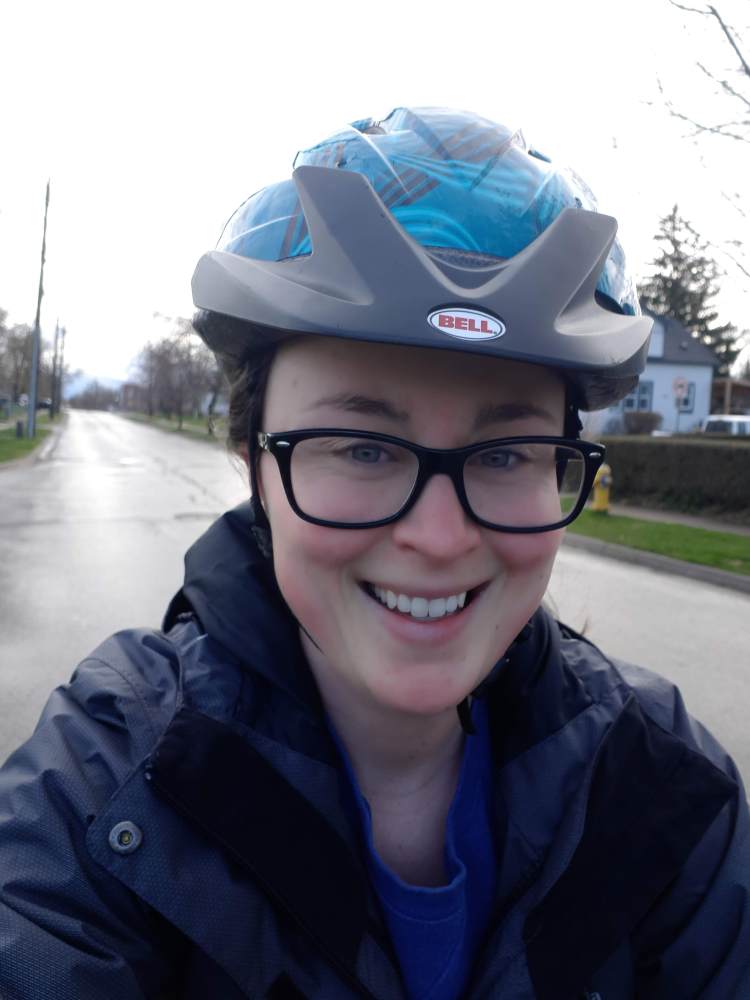
This year I was really looking forward to biking to work again. The ride, mostly uphill, is about 7km and the intensity of the exercise is a great way to start my day. Then the pandemic hit. My commute went from 7 kilometers to 7 steps. This week, I decided to start biking “to work” again. On the mornings I don’t run with my friend, I take my bike out for a quick 5km ride. There are fewer hills, but it definitely starts my day with a smile and a boat-load of endorphins.
Endorphins Make You Happy
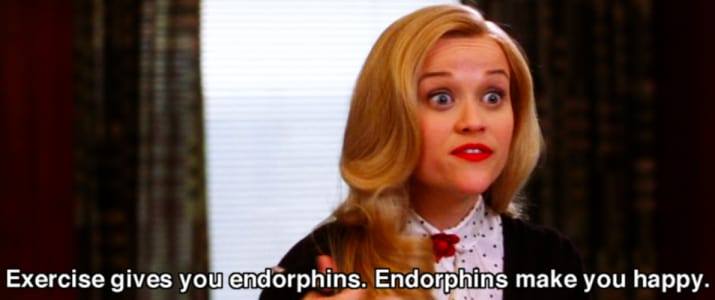
At the top of every “how to be happy” list you’ll almost certainly find something about activity, exercise, or fitness. When you work out, your body releases endorphins and, as Elle Woods says, endorphins make you happy. They also act as natural painkillers and are shown to reduce stress, depression, and anxiety. Whether it’s happiness in the short term, like doing ten jumping jacks or taking a walk to de-stress, or Happiness in the long term, like increasing self confidence, physical and mental health, and positive self-image, for me, getting my butt out of my chair works every time.
Sources
15 Simple Things to Do to Be Happier Today
Quincy Seale, Keepinspiring.me
9 Things You Can Do to Be Happy in the Next 30 Minutes
Gretchen Rubin | @gretchenrubin | ( https://quiz.gretchenrubin.com/ ) on Real Simple
How to Be Happy: 25 Habits to Add to Your Routine
Ann Pietrangelo, Healthline
This Post is for Everyone Who Knows that Scooters Were the Best Damn Part of Gym Class
Stephen LaConte | @stephenlc | on BuzzFeed
 How to Be Happy
2 thoughts on “Week Seventeen: Raise Your Activity Level”